Kings Vs Pacers: Records, Odds and a Scheduling Discrepancy Expose Tanking Tension

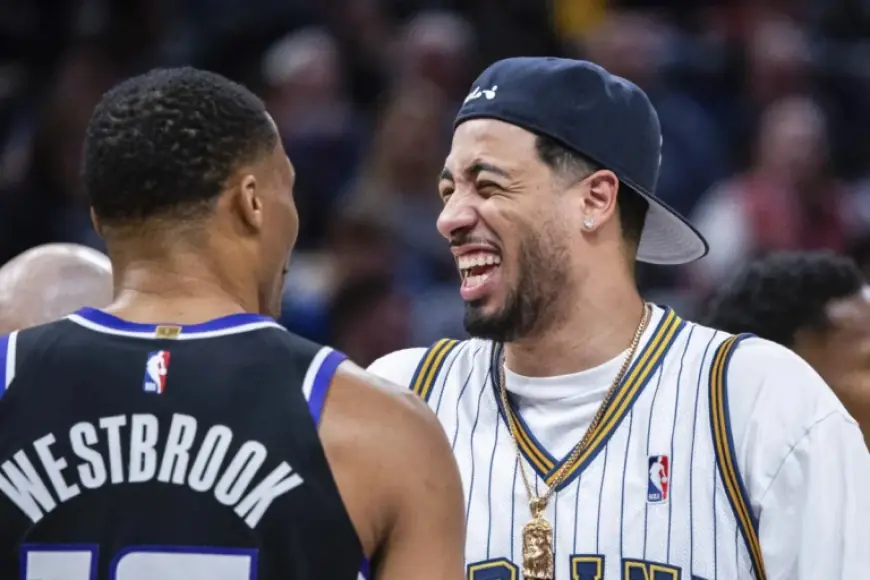
Confirmed: the Sacramento Kings and Indiana Pacers meet in a matchup framed as consequential for both teams’ draft positioning. Kings Vs Pacers appears on betting boards and schedules for March 10, and both franchises enter the game with double-digit losses and significant injuries. This article examines gaps between public framing, betting lines, and the record as documented in recent coverage.
Sacramento Kings and Indiana Pacers: confirmed records, losing streaks and injury lists
Confirmed: the Sacramento Kings are listed with a 15-50 record and the Indiana Pacers with a 15-49 record in the documents. Documented: the Kings have dropped 20 of their last 23 games and lead the league in losses, while the Pacers have lost nine straight and 13 of their last 15 since February began. Confirmed: Tyrese Haliburton has missed the entire season with a torn Achilles, and Pascal Siakam is listed as out for the March 10 game. Documented: the Pacers have used 25 different players this season because of injuries. Confirmed: the Kings had injury concerns but no new absences reported for this matchup; DeMar DeRozan missed the prior game with illness and was expected back.
Kings Vs Pacers: betting lines, tip times and a clear scheduling contradiction
Confirmed: betting coverage lists the Kings as favored by 3 points for the March 10 matchup, with an over/under of 236. 5. Documented: one schedule entry lists the tip as 10: 00 pm ET on March 10, while another schedule entry records a 10: 10 pm ET tip for the same date and venue. That ten-minute mismatch is explicit in the available materials and creates a factual gap between published odds and broadcast logistics. Open question: which tip time is the authoritative one for the matchup. The context does not confirm which outlet’s schedule is accurate, nor does it confirm whether the differing tip times affect viewing access or the sportsbooks’ posted markets.
Indiana Pacers: trades, pick protections and competing narratives about why the season failed
Documented: the teams remain tied in narrative because of a prior trade connecting the franchises’ cornerstone players. One account frames the Pacers’ predicament as the result of terrible injury luck, explicitly distinguishing that explanation from the Kings’ failures, which that account attributes to hubris and mismanagement. Documented: another account notes a recent trade adding a center to Indiana and says the Pacers would retain only a top-four pick because of that move. Confirmed: commentaries in the record state the Pacers can control their destiny for a top-four pick by finishing with the league’s worst record, but doing so requires finishing behind the Kings; one document says that scenario would change hands if Indiana falls in Sacramento on March 10.
Documented: betting lines still favor Sacramento despite both clubs being described as having “lost seasons” and despite the Pacers’ heavy injury list. Open question: whether bookmakers priced the matchup with injuries and draft incentives fully accounted for. The context does not confirm the models bookmakers used, nor does it confirm how much the draft-protection mechanics altered team incentives on the court.
Confirmed: fan commentary within the materials frames the matchup as a fight over who will end up with a better draft position, and attributes long-term team trajectories differently—some voices cite management competence for Sacramento’s standing, while others highlight Indiana’s injuries as the principal cause of its slide.
Closing — evidence that would resolve the central question: If Indiana loses in Sacramento on March 10, it would establish that the Pacers fell behind the Kings in the race for the league basement and would concretely change which team controls draft-position outcomes as described in the records. Conversely, if Sacramento loses, it would confirm the Pacers’ draft-position path noted in the documents. What remains unclear is which published tip time—10: 00 pm ET or 10: 10 pm ET—is correct; the context does not confirm which schedule should be used for definitive viewing or betting alignment.