US Democrats Raise Concerns Over Iran War Plans at US-Israel Hearing

A group of Democratic senators has raised significant concerns regarding the US’s military actions against Iran during a recent hearing. These discussions followed a series of classified briefings from the Trump administration officials. Senators expressed frustration over the lack of clear communication about the war’s goals and its projected duration.
Concerns Over Iran War Plans
Many Democrats are uneasy about the administration’s strategy. Senator Chris Murphy from Connecticut highlighted the disconnect during a classified briefing, stating, “The strategy is totally incoherent.” He emphasized that the president should seek congressional approval before engaging in military conflict, arguing Congress would likely oppose the war.
Timeline of Events
The active military operations began on February 28, when the US and Israel launched strikes coordinated against Iran. Post-strike, senior officials, including Secretary of State Marco Rubio and Defense Secretary Pete Hegseth, held multiple closed-door meetings to brief Congress on the situation. However, lawmakers are limited in what they can publicly reveal due to the classified nature of these briefings.
Frustration Among Democrats
- Multiple senators left the briefings dissatisfied with the responses regarding the war’s objectives.
- Six Democratic senators called for an investigation into a specific attack on a school in Minab, Iran, which reportedly killed over 170 civilians, primarily children.
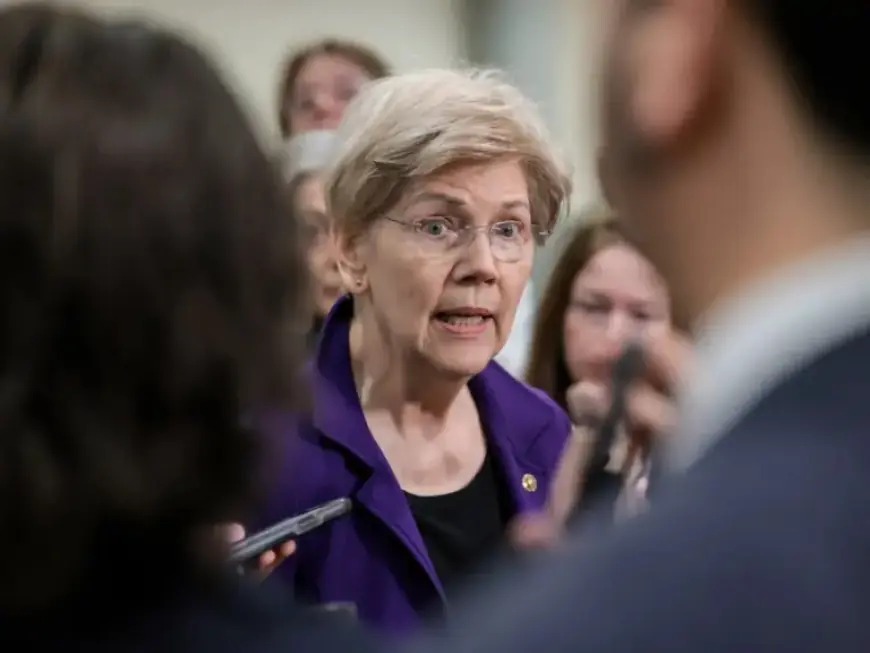
- Senator Elizabeth Warren criticized the financial implications of the war, noting the disparity between funding for military actions and domestic healthcare.
- Senator Richard Blumenthal remarked on the undefined endgame in the conflict, expressing concern over the possibility of deploying US ground troops to Iran.
Republican Support for Military Actions
Republicans have shown consistent support for President Trump’s military campaign against Iran. They argue that the strikes are essential to diminish Iran’s military capabilities. Representative Brian Mast of Florida publicly praised Trump for acting decisively against what he termed an imminent threat from Iran.
Yet, some within the Republican party have raised their own concerns. Representative Nancy Mace voiced her reluctance to send American soldiers into this conflict, while Senator Rand Paul questioned the evolving rationale behind the war.
The Broader Implications
This ongoing debate highlights a critical discussion regarding presidential war powers. The US Constitution grants Congress the authority to declare war. However, modern precedents have allowed presidents to initiate military action without prior congressional approval, citing national security needs.
Under current legal frameworks, the President can deploy forces for 60 days without congressional authorization. This situation has sparked dialogue among lawmakers and legal experts about the need for enhanced oversight of military engagements. David Schultz, a political science professor, pointed out the necessity of adhering to the War Powers Resolution and its implications for presidential authority.
In conclusion, the growing concerns from Democratic senators underscore the urgent need for clarity and accountability regarding US military actions in Iran. The ongoing deliberations will likely shape the future of US engagement in the region.