TSA Absences Surge, 300 Officers Resign Amid Growing Airport Security Delays

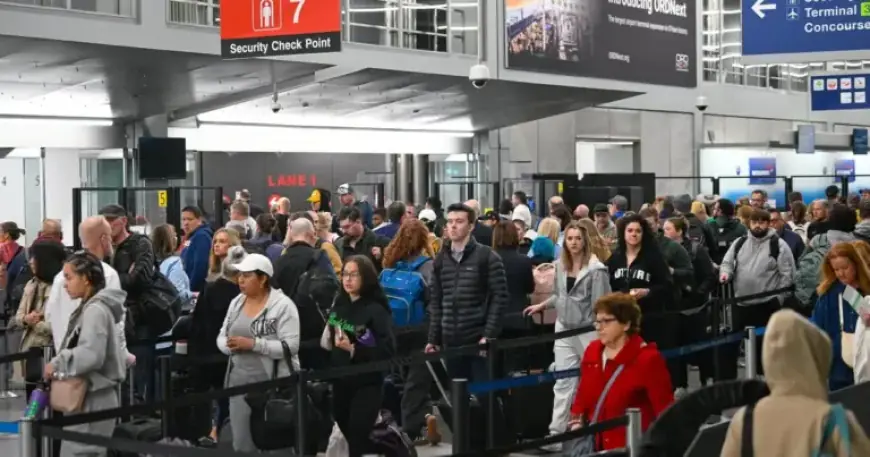
Recent statistics reveal a troubling trend in airport security as unscheduled absences among TSA officers have sharply risen during the ongoing Department of Homeland Security (DHS) shutdown. More than 300 TSA personnel have resigned since the funding lapse began on February 14. This situation has significantly strained airport security operations nationwide.
TSA Absences Surge Amid Ongoing Delays
The Transportation Security Administration (TSA) has seen nationwide officer call-out rates escalate to an alarming average of 6%, up from about 2% before the shutdown. Some airports reported even higher rates. For instance, half of the officers at Houston’s Hobby Airport called out recently, adversely impacting screening processes and leading to prolonged wait times for travelers.
Statistics on Officer Absences
- Absence rate nationwide has escalated to an average of 6%.
- Houston’s Hobby Airport reported 53% absence on March 8.
- John F. Kennedy International Airport had a 21% absence rate, the highest among major airports.
- Hartsfield-Jackson Atlanta International Airport reported a 19% absence rate.
- Louis Armstrong New Orleans International Airport had a 14% absence rate.
Staffing shortages have led to operational “hotspots,” where inadequate personnel threaten to delay security screening. Houston recorded 44 such incidents, and on March 8 alone, there were 87 hotspots reported nationally.
Impact of the Shutdown on Airport Operations
As travel demand increases, the shortage of officers has forced TSA managers to consolidate checkpoints and reduce screening lanes. This has contributed to extensive delays. For example, wait times at Houston’s William P. Hobby Airport exceeded three hours recently, prompting advice for travelers to arrive three to four hours early for their flights.
Traveler Experiences
- Leah Turney missed her flight due to a four-hour wait at TSA in New Orleans.
- Ellen Caldwell expressed dismay at the insane delays compared to previous experiences.
The impending arrival of the first full missed paycheck for TSA officers raises significant concerns. The DHS has indicated that the financial hardship caused by the prolonged shutdown could lead to even more staffing challenges.
Potential Long-term Consequences
TSA leadership warns that ongoing financial struggles could result in a permanent loss of personnel. The agency recorded 305 separations between February 14 and March 9. It typically takes four to six months to fully train new officers, which compounds the staffing crisis.
Experts, including former TSA Administrator John Pistole, stress that the long-term implications of the current situation could affect recruitment and retention, making the position less attractive for potential applicants.
Conclusion: Urgent Need for Action
As negotiations concerning DHS funding continue to stall, airline industry officials warn that heavy travel periods, such as the upcoming spring break, might intensify security delays if a resolution isn’t reached. Stakeholders urge the need for immediate funding to restore normal operations and alleviate the pressure on TSA personnel.