Auston Matthews’ Future Looms as Leafs Resist Trading Their Captain

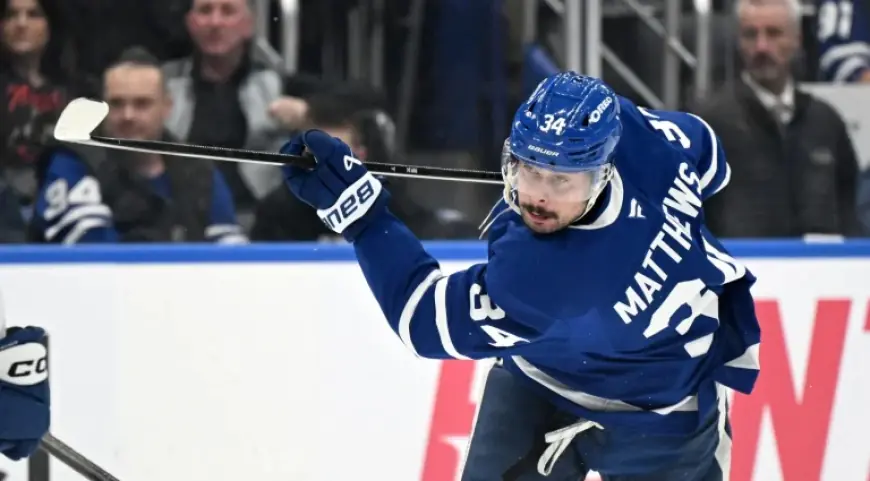
auston matthews has been at the centre of growing debate this season, and the Toronto Maple Leafs are left balancing loyalty, performance and scarce assets. Talk intensified after a disappointing campaign, with public voices saying a trade was unlikely even as others argued the smart move would be to move him and begin rebuilding.
How Elliotte Friedman framed the conversation around Auston Matthews
Elliotte Friedman said there was a lot of noise about the Maple Leafs captain before the trade deadline, and he expressed the view that there was no chance the 28-year-old center would be traded. Friedman added he expected Matthews and Leafs management to meet at the end of this season to discuss the club’s direction, and he said Matthews would not put the club in a bad spot if there were negative developments.
Jeff O’Neill drew attention to the reception Matthews and Ottawa Senators captain Brady Tkachuk received after Team USA’s gold medal triumph, suggesting both players might consider moving on from their clubs. O’Neill pointed out Matthews has been in Toronto for a decade and that such long tenures often prompt questions about whether a fresh start is coming.
Why the Toronto Maple Leafs won’t trade Auston Matthews, a columnist argued
One columnist wrote that the smart play for the Maple Leafs would be to trade Auston Matthews, calling him a good player who has not become a winner in Toronto after 10 years. The piece used the word “diminishing” to describe the returns on the team’s investment in him and forecast that the next two Leafs seasons would be abysmal without prospects, good draft picks or tradable assets the club is willing to move.
That same column warned that at the end of those two seasons Matthews would again be out of contract, and the team would face the same crisis without the means to improve. The writer suggested a smart team might convince Matthews to waive a no-trade clause and ship him south during the summer, but concluded the Maple Leafs are unlikely to take that route because the franchise is “hooked on contending. “
What recent deadline moves and roster limits reveal about the Toronto Maple Leafs
At the trade deadline the Maple Leafs moved Scott Laughton to LA for a third-round pick that could become a second, a deal that columnists noted came after the team paid a first-rounder and a prospect for him last year. That sequence was used as an example of how Toronto has struggled to convert its moves into durable improvement while retaining limited flexibility for larger changes.
Writers pointed out that the Leafs will still advertise themselves as contenders into 2026-27 because of habit and obligation, even if the roster remains functionally the same and half the group carries no-movement or no-trade protections. Observers described the club as asking too much in negotiations for players it had signalled no longer fit the roster, framing the front office’s posture as part of what keeps a player like Auston Matthews in place.
For now, Friedman’s expectation of a post-season meeting between Matthews and management stands as the next concrete milestone. That conversation is the confirmed development in the context of this debate and will bring the personal and institutional threads tightly together.
auston matthews returns to the center of Toronto’s story at that meeting, and whatever is decided there will determine whether the next chapter begins with a trade, a recommitment to contending, or another repeat of the choices that left the club short of clear rebuilding options.