Iran May Deploy Mines to Disrupt Strait of Hormuz, Warns U.S. Sources

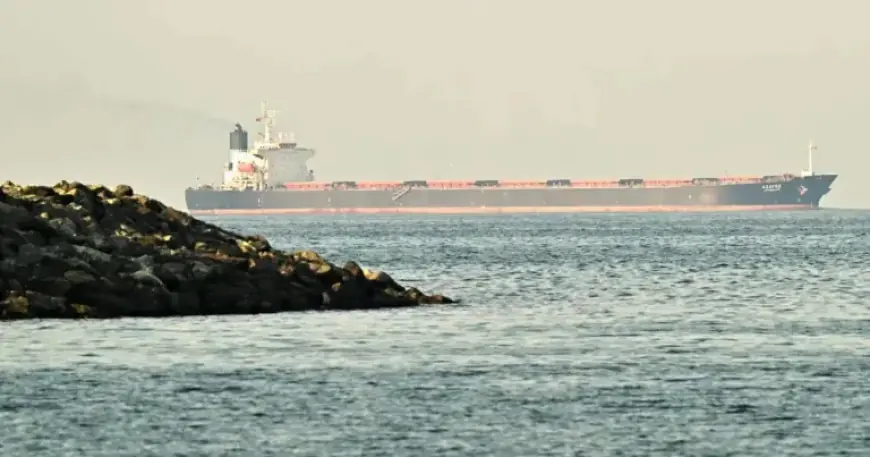
U.S. officials have indicated that Iran may be preparing to deploy naval mines in the Strait of Hormuz. This development poses a significant threat to the vital shipping lane that carries a substantial portion of the world’s oil supply. The information was shared anonymously by American officials who requested not to be named.
Potential Impact of Naval Mines in the Strait
The measures taken by Iran could severely disrupt maritime traffic. Smaller vessels, capable of carrying two to three mines each, are reportedly being used to lay these mines. While Iran’s exact stockpile of naval mines is not publicly disclosed, estimates vary between 2,000 to 6,000 mines sourced primarily from Iran, China, or Russia.
U.S. Response to Iranian Threats
- President Trump emphasized the need to remove any mines in the strait immediately.
- He warned of severe military repercussions should the situation escalate.
- Trump claimed that the U.S. had already destroyed ten inactive mine-laying vessels.
In a press briefing, General Dan Caine affirmed that U.S. Central Command is actively targeting mine-laying vessels and storage facilities. He reaffirmed the U.S. commitment to safeguarding the flow of commercial shipping through the Strait of Hormuz.
Importance of the Strait of Hormuz
Located at the entrance of the Persian Gulf, the Strait of Hormuz is a key global energy chokepoint. Approximately 20% of the world’s oil supply flows through this narrow waterway. This makes any disruption potentially impactful on oil prices and the global economy.
Historical Context
The region has seen similar tensions in the past. During the 1980s, the Iran-Iraq War featured Iran deploying mines to obstruct oil tanker routes. Recent developments echo these historical tensions, as maritime insurers have begun to withdraw coverage for vessels operating around the Gulf due to rising risks.
- Major insurers like NorthStandard and the London P&I Club have issued warnings.
- Their actions reflect increasing concerns about vessels getting caught in ongoing conflicts.
As the situation develops, the international community remains vigilant about the potential consequences of any military engagement in this delicate region.