Spain to Pardon 53 Women Incarcerated Under Franco Regime

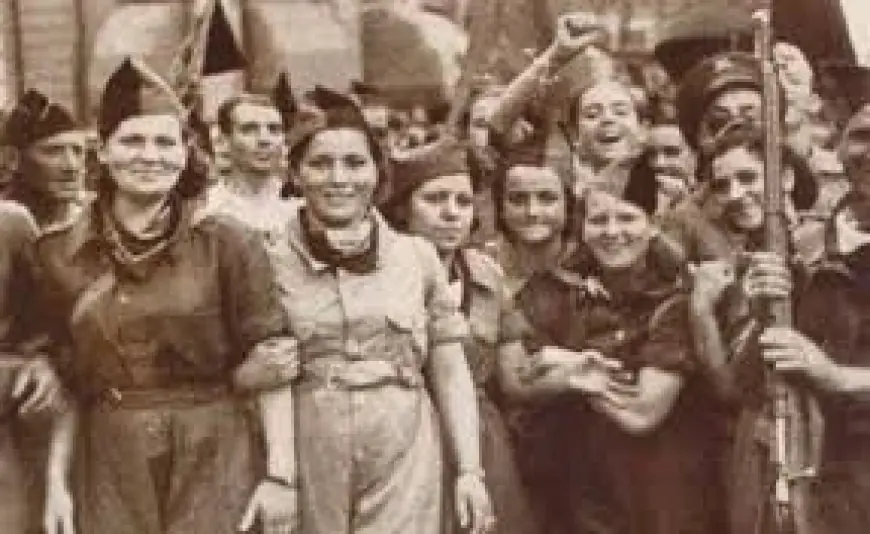
Spain will formally pardon 53 women who were among thousands incarcerated as adolescents by the Board for the Protection of Women under the franco regime. The pardon will recognise those 53 survivors as victims and void any legal or administrative punishment that the ministry of democratic memory says resulted from repression and violence by the board.
Board for the Protection
The government confirmed that the 53 women were detained by the Board for the Protection of Women, a set of institutions run by religious orders that expanded its role in 1941 to police female behaviour. The pattern suggests the board shifted from an original 1902 focus on sex work to a broader system of control after the 1941 change.
Under Franco and Carmen Polo
Carmen Polo, the wife of the dictator Gen Francisco Franco, oversaw the board while it operated with echoes of Ireland’s Magdalene laundries and was not closed until 1985, 10 years after Franco’s death. The figures point to long institutional continuity: foundations from 1902, an expanded role in 1941, and closure only in 1985 indicate decades of sanctioned intervention in women’s lives.
Spain’s Ministry of Democratic Memory
The ministry of democratic memory said it will nullify any punishment as the result of “the repression and violence exercised by the Board for the Protection of Women for political, ideological reasons or because of their gender. ” For scale, the department set up last year to investigate the board has received 1, 600 declarations from women who passed through the institutions, which supports the government’s formal recognition of victims.
Survivors’ stories recorded in those declarations show the board’s reach into ordinary life: one woman was locked up on suspicion of being a lesbian after writing a letter discussing sexuality, another was detained for being considered “too fond of the street, ” and Eva García de la Torre—released in 1985, later a mayor—was the first woman officially recognised and died in 2022. The pattern suggests the board functioned through social denunciation as well as official power, with families and neighbours acting as enforcers of conservative norms.
Religious orders that ran the institutions offered a public apology last year, yet victims’ representatives rejected the pardon and demanded “truth, justice and reparations. ” That reaction clarifies a key consequence: formal recognition and nullification of punishment do not resolve demands for reparations or the fuller investigations the representatives seek.
In a ceremony next week the government will pardon the 53 survivors and formally recognise them as victims of Francoist repression. If the pardon is formalised at that ceremony, the data and statements published so far suggest survivors will gain official status but leave unresolved the specific reparations and broader truth-seeking those representatives continue to demand.