Weather Vancouver Snow: Vancouver Moves Closer to First No-Snow Winter Since 1982-83

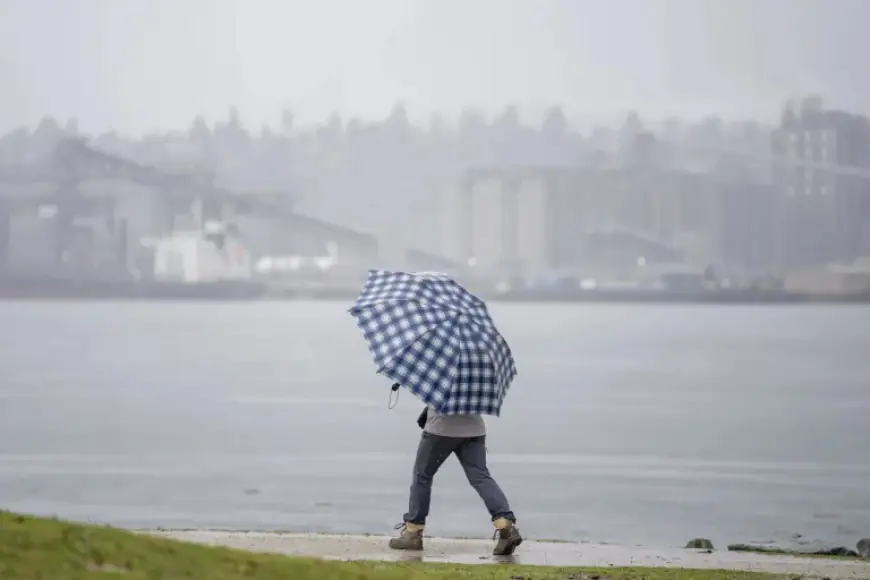
Vancouver has moved closer to an official snowless winter after a chilly blast failed to produce the benchmark one centimetre accumulation at Vancouver International Airport. The local weather vancouver snow forecasts had predicted up to four centimetres at sea level and Environment Canada issued a special weather statement, a contrast this article examines between forecast warnings and the observed lack of settled snow.
Vancouver International Airport and Environment Canada observations
Confirmed: Environment Canada meteorologist Terri Lang said the airport recorded no snow accumulation on Tuesday morning, even though forecasts had projected as much as four centimetres for sea-level areas in Metro Vancouver. Confirmed: Lang also noted the airport has had its first snow-free December-to-February period since 2014-15, and that if Vancouver remains without measurable snow through March 21 it would mark the first no-snow winter since 1982-83. These are direct, documented statements present in the record.
Weather Vancouver Snow warnings versus what actually settled
Documented: Environment Canada issued a special weather statement warning of low-elevation snowfall near sea level from Metro Vancouver into parts of southwestern British Columbia, including Vancouver Island. Documented: there were flurries in downtown Vancouver that morning but nothing settled on the wet streets, while umbrellas were common. Documented: nearby Burnaby saw several centimetres at the Simon Fraser University campus, and communities such as Whistler, Tofino and Campbell River reported some snow. The apparent gap is that the forecast scale and the special statement anticipated low-elevation accumulation, yet key measuring sites at sea level recorded none.
Metro Vancouver, Terri Lang and the pattern of localized snowfall
Documented: Lang said one more weather system was expected Wednesday night into Thursday, which kept open the possibility of additional flurries. Documented: she described a low snow line with elevated areas of Metro Vancouver still facing significant snowfall risks, including hazards on highways such as the Coquihalla and the Sea to Sky. Confirmed: downtown streets remained wet and free of settled snow, while some elevated and outlying locations accumulated measurable amounts. What remains unclear is whether the remaining systems before March 21 will produce one centimetre or more at the official airport site, the threshold that would prevent a formally recorded no-snow winter.
Documented pattern: the available facts show a split outcome across the region. Lowland forecasts and a special weather statement signaled the potential for widespread low-elevation snow, but observations at the principal measurement point—Vancouver International Airport—did not match that potential. Elevated terrain and select communities did record accumulations, creating a patchwork rather than a uniform event.
Open question: The context does not confirm how the remaining forecasted system will perform across Metro Vancouver or whether accumulation thresholds at the airport will be met. Confirmed: Lang framed the situation as uncertain, noting flurries remained possible and that low atmospheric temperatures had kept snow levels low. That mix of documented forecasts and measured outcomes is the central tension between warning and result.
If snowfall of at least one centimetre is confirmed at Vancouver International Airport before March 21, it would establish that the city did not have a no-snow winter; if that accumulation is not recorded, the city would move into its first official snowless winter since 1982-83.