Broadcaster Aired BAFTAs Slur Involving John Davidson Tourette, Record Shows Confusion

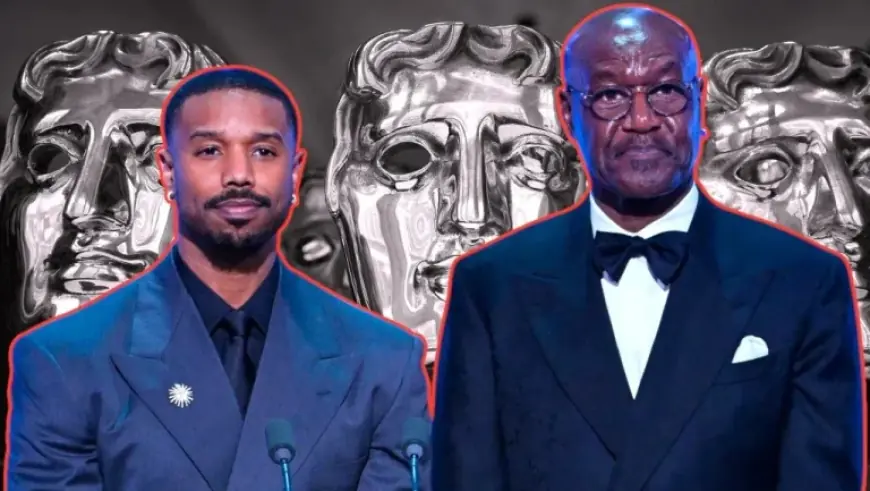
Confirmed fact: an involuntary racial slur shouted by john davidson tourette was broadcast in edited highlights of the BAFTA Film Awards. The record shows a mismatch between the broadcaster’s public apology and internal accounts that point to miscommunication, two separate edit decisions, and a prolonged delay before the ceremony was removed from the broadcaster’s streaming service.
Tim Davie and the broadcaster: the confirmed sequence of events
Confirmed fact: Tim Davie, the director-general, told the Culture, Media & Sport Committee that the airing of the slur was a “genuine mistake” and that the broadcaster takes full responsibility for the error. Documented pattern: Davie explained the edit team did not hear the initial incident from their position in the on-site broadcast truck, and therefore made no editorial decision to remove that first outburst.
Warner Bros. and BAFTA: meeting, messages and the streaming-service delay
Confirmed fact: studio executives from Warner Bros. expressed grave concerns about the slur remaining in the broadcast and questioned why the ceremony was still available on the broadcaster’s streaming service for about 15 hours after the event. Documented pattern: different accounts pieced together show the on-site production teams did hear and remove a second outburst that occurred during another award, and that a message was raised in a BAFTA group chat about an audible slur only after that second incident.
Delroy Lindo, John Davidson Tourette and the outstanding contradictions
Documented pattern: Delroy Lindo described a “nanosecond” in which he thought he had heard a slur while presenting, then continued to read the teleprompter and complete the presentation. Confirmed fact: John Davidson apologised for multiple slurs he shouted during the ceremony and attended because a film inspired by his life was nominated.
Open question: the context does not confirm why the edit team assumed the later, removed instance was the same incident being referenced in messages from BAFTA, or why producers initially judged the original outburst to be inaudible. What remains unclear is whether monitoring and verification steps existed that could have identified two separate incidents sooner, and why those steps did not trigger a faster removal from the streaming service.
Closing: the specific evidence that would resolve the central question is a complete, time-stamped edit log and the exchange of messages among BAFTA, the production team, and the broadcaster’s edit desk on the night of the ceremony. If the broadcaster publishes a detailed timeline showing when each outburst was first detected, who received the BAFTA message, and when the chief content officer authorised removal at 11: 47 am ET, it would establish whether the error arose from a single misheard report or from systematic gaps in the post-production checks.