Toronto Zoo vs. Public Naming: What the New Giraffe Reveals

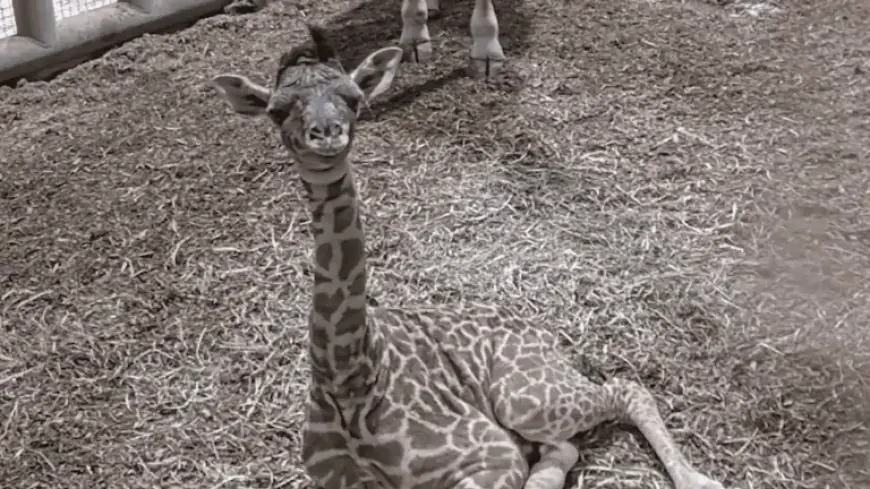
A newborn female Masai giraffe calf and a public naming drive are the two storylines now unfolding at the toronto zoo. This comparison asks: how do the zoo’s measurable breeding and health milestones compare with a naming-and-vote campaign in their ability to advance conservation and public support?
Mstari and the calf at Toronto Zoo: birth timing, health and lineage
Mstari ended a 15-month pregnancy when her calf was born around 1: 26 am ET on Feb. 22, and the newborn was standing by about 2: 00 am ET the same morning. A first health check the next day confirmed the calf is female and healthy, and she measured six feet, four inches tall (1. 95 metres) on her first day. Breeding introductions were observed up to Nov. 4, 2024, and in January 2025 several months of fecal samples showed normal hormonal signs of pregnancy, steps that underpin the zoo’s reproductive science work.
Toronto Zoo naming drive: public vote and community updates
The Toronto Zoo has asked the public for help naming the new baby Masai giraffe, and the framing of that request includes an opportunity for the public to vote. The zoo has said it will share baby-and-mom updates on its social media channels and will announce when visitors can meet the calf, making the naming drive part of a broader outreach plan. For now, the naming effort functions as a prompt for immediate engagement with the zoo’s newest resident.
Masai giraffe conservation: where breeding success and naming campaigns align and diverge
On the conservation side, this calf represents a concrete breeding outcome: participation in an accredited breeding program, a healthy newborn after a full gestation and continuity of lineage despite the recent death of Kiko, the calf’s father, who unexpectedly passed away last month. Those are measurable contributions to the species program. By contrast, the naming-and-vote effort targets public attention and emotional investment; it leverages the calf’s birth to prompt social interaction and to publicize updates about viewing and care.
Both approaches use different metrics. The breeding program yields biological data points—dates, hormone results, health checks and recorded measurements—that directly affect population-management goals. The public naming drive produces engagement metrics—votes, social updates and visits—that influence awareness and support. Masai giraffe populations in the wild have fallen about 50 percent over the past 30 years, a decline the Toronto Zoo cites as driven by illegal hunting and habitat loss, and the zoo supports field conservation through the Wild Nature Institute’s Masai Giraffe Project.
Analysis: The toronto zoo’s breeding milestones and the public naming campaign are complementary but not interchangeable. Breeding delivers the tangible additions to an endangered population that conservation programs track; naming drives translate those additions into stories that mobilize people. The calf’s birth on Feb. 22 and health confirmation the following day are concrete wins for the breeding program, while the naming vote is a practical tool to broaden public reach and interest.
Finding: This comparison establishes that, for the Toronto Zoo, biological outcomes provide the essential conservation value while naming and voting convert that value into public support. The next confirmed event that will test this finding is the zoo’s announcement of when visitors will be able to meet the calf and when naming results will be published on social media. If the Toronto Zoo maintains steady health updates and follows through with the public vote and viewing dates, the comparison suggests increased public engagement will sustain attention for the longer-term conservation work.