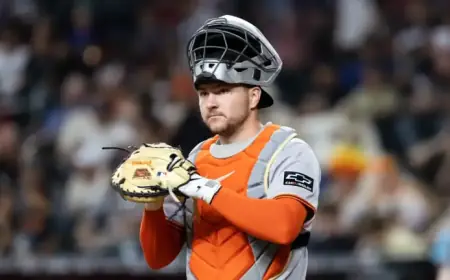
Harvey Barnes and Newcastle’s ‘tough lesson’: 3 flashes of promise, then the gap to Man City reappears

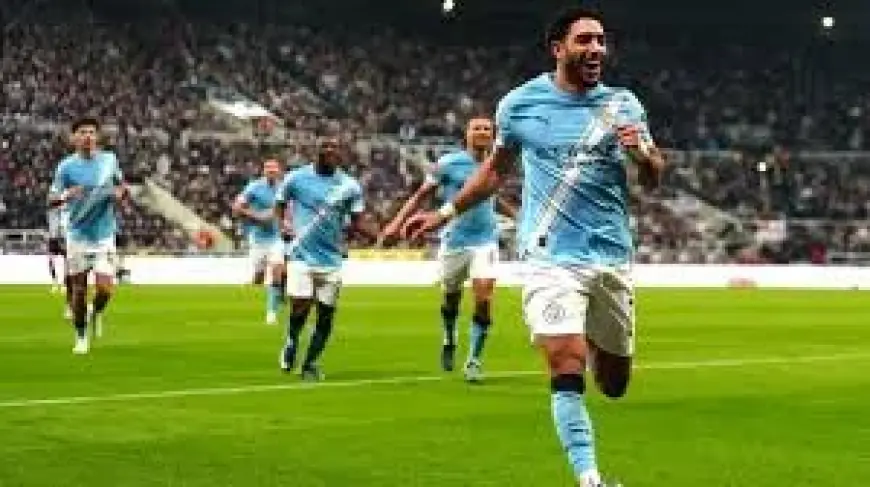
harvey barnes gave Newcastle United an early lift on Saturday night, putting them ahead after 18 minutes at a buoyant St James’ Park. Yet the FA Cup fifth-round tie quickly turned into something more unsettling: a 3-1 defeat to a much-changed Manchester City, sealed by a strange Savinho equaliser before half-time and an Omar Marmoush double after the break. For Eddie Howe, it was not just elimination—it was a sobering reminder of the distance Newcastle still must bridge to compete for heavyweight trophies.
From an early lead to a familiar pattern
Newcastle’s opening was exactly the kind of script their supporters wanted. The early goal created belief, and at half-time the teams were level, giving Howe’s side a chance to regroup. Instead, the second half underlined why this fixture has become such a measuring stick.
Howe’s verdict was blunt, describing it as “a tough learning lesson” and adding: “We just didn’t have the strength to make a dent in them. ” That assessment matters because it frames the defeat as something structural, not merely episodic—less about one moment, more about what happens when City shift up a gear.
Manchester City’s control after the interval was reflected on the scoreboard: Marmoush, described as Newcastle’s “chief tormentor, ” struck twice to put the tie beyond doubt. The result also carried a historical sting: Guardiola’s side became the first team to ever beat Newcastle four times in a single season.
Harvey Barnes, Savinho’s odd equaliser, and what the game revealed
The swing point of the match was not only the timing of the goals but the manner of City’s response. After harvey barnes put Newcastle in front, Savinho’s equaliser arrived with what was described as an unorthodox method—rather than striking a low cross, the City winger opted to let the ball hit him and rebound in, with slow-motion replays suggesting he tensed his left foot to ensure the right connection. The finish was notable for its improvisation and for how it disrupted the emotional balance of the contest just before the break.
From there, the tie exposed two intertwined realities for Newcastle. First, City’s attacking depth allowed them to accelerate decisively in the second half. Second, Newcastle’s energy appeared to fade, with the schedule referenced as a factor in how the second half played out. Howe had made changes, resting Joelinton and Anthony Gordon on the bench, a choice tied to the exertions of playing for more than a half with 10 men in a midweek win against Manchester United.
Newcastle also went into the match without their injured captain Bruno Guimaraes in midfield. Those missing elements did not excuse the performance, but they help explain why Newcastle struggled to sustain the pressure and why the second-half gap felt wider than the first-half contest suggested.
Defender Kieran Trippier’s reaction captured the mood: “There’s no excuses today. We got beat by the better team. ”
What it means for Howe’s season—and Newcastle’s bigger ambition
Beyond the immediate disappointment, this defeat lands at a sensitive moment in Newcastle’s season. Their domestic cup involvement is now over, and Manchester City have ended their dream of returning to Wembley in both the FA Cup and the Carabao Cup. The relief, as noted in the match narrative, is that Newcastle cannot face City again this season unless both sides reach the Champions League final—an “unless” that underscores how far-fetched that rematch scenario currently sounds within the context of this result.
The club’s longer-term messaging makes the short-term optics sharper. Newcastle CEO David Hopkinson has stated a vision “to be in the debate about being the top club in the world” by 2030. After a match that was framed as a “sobering reminder, ” that ambition can feel jarring—not because it is illegitimate, but because the on-pitch evidence against elite opponents remains unforgiving.
At league level, Newcastle sit 12th in the Premier League, five points behind seventh-placed Brentford, with nine games to go. Within that reality, the loss amplifies the sense that their remaining path to meaning this season runs through the Champions League. In that context, harvey barnes scoring first is encouraging, but it also highlights a recurring issue: moments of quality have not consistently translated into control against the very best teams.
Expert perspectives from the touchline and boardroom
Howe’s post-match comments were not tactical window-dressing; they were a diagnosis. Calling the second half “a tough learning lesson” and admitting Newcastle “didn’t have the strength to make a dent” points to a team that can still start fast, but struggles to impose itself when City dictate the terms.
Trippier’s remarks stripped away any temptation to hide behind fatigue, rotation, or injuries. His statement that Newcastle were beaten by “the better team” also aligns with the match’s broader theme: this was less about a single mistake and more about the cumulative effect of City’s quality once the contest demanded repeat intensity and precision.
Meanwhile, Hopkinson’s 2030 vision provides the strategic backdrop. The disconnect between aspiration and the present gap is not necessarily a contradiction—clubs often grow into their targets—but this defeat shows how steep the climb remains when Newcastle meet a side capable of four wins against them in the same season.
Regional and global stakes: City’s consistency, Newcastle’s narrowing margins
For Manchester City, reaching the FA Cup quarter-finals for an eighth consecutive season under Pep Guardiola reinforces a standard of continuity that few clubs can match. Even in a tie described as being against “much-changed visitors, ” City found solutions: Savinho’s improvisation, Marmoush’s cutting edge, and the collective ability to turn a tense game into a routine win after half-time.
For Newcastle, the implications are more urgent. The club’s schedule has been described as relentless, and the coming run of matches is demanding: Barcelona (twice), Chelsea (away), and Sunderland (home) before the international break at the end of the month. With cups gone, the pressure shifts to sustaining focus and physical output in the competitions that remain—where one flat half can reshape a season.
In that sense, the match was a snapshot of the modern elite game: depth and repeatability decide outcomes, not just the ability to strike first. Newcastle have players who can light up a stadium—harvey barnes proved that again—but the broader question is whether they can sustain that level across the phases of a match and across the calendar.
Where the lesson lands next
Newcastle left St James’ Park with clarity, not comfort. The defeat was framed internally as education, externally as evidence of a persistent gap, and strategically as a reminder of how hard it is to turn a bold vision into weekly reality. The next chapter arrives quickly, and the margins look thinner than ever: can harvey barnes and Newcastle translate early promise into the kind of second-half authority that the elite sides treat as routine?