Federal Judges Start Applying Equal Treatment to Trump

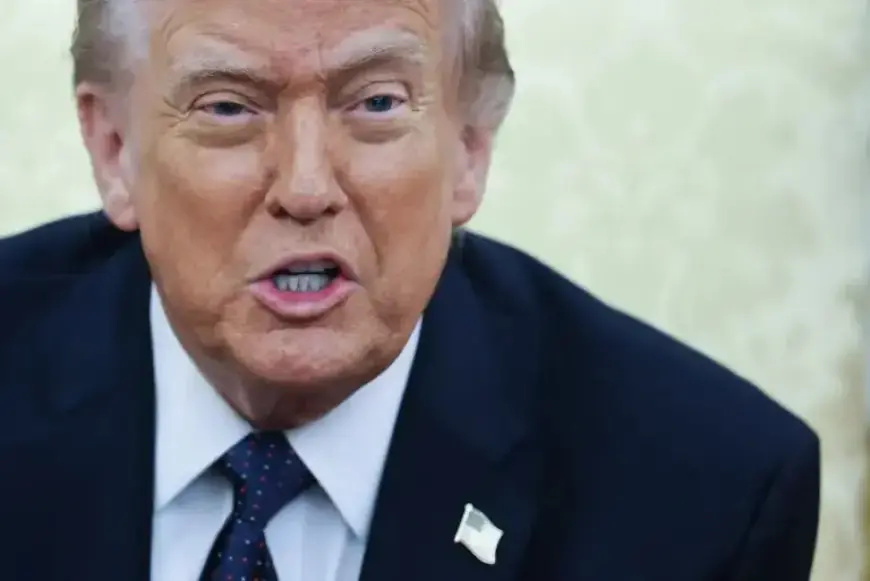
Recent developments in federal court signify a shift towards equal treatment for former President Donald Trump and his administration concerning compliance with court orders. Judges are beginning to exert their authority effectively, a move that could reshape the landscape of judicial enforcement.
Judicial Actions in Minnesota and Beyond
Last week, Minnesota’s federal courts faced significant issues regarding the Trump administration’s compliance with previous court orders. Federal judges Jeffrey Bryan and John Tunheim were tasked with addressing the government’s failure to return personal belongings to unlawfully detained individuals.
Key Events and Hearings
During a hearing on March 3, Judge Bryan expressed frustration with U.S. Attorney Daniel Rosen’s explanations after the government released 28 detainees but retained their belongings, including cash and documents. Judge Tunheim held a subsequent hearing on March 5 as he also found violations concerning the possessions of additional detainees.
Both judges highlighted the seriousness of the administration’s actions. Bryan remarked that imprisonment of a U.S. Attorney would represent a “historical low point” but did not completely rule it out.
Escalating Consequences
Since President Trump’s administration began in January 2025, courts have generally been hesitant to enforce consequences for noncompliance. However, recent judicial actions indicate judges are starting to reclaim their authority.
- At least 35 orders have been issued by federal judges since August 2025, demanding explanations for noncompliance.
- Judges in Minnesota have briefly held the administration in civil contempt on two occasions.
- Judges in Minnesota and New Jersey recently warned of potential criminal contempt for ongoing violations.
Significant Judicial Findings
In February, Judge Laura Provinzino held prosecutor Matthew Isihara in civil contempt due to mishandling a detainee’s case. She imposed a fine for delayed return of personal property and was clear that excuses based on workload would not be accepted.
Following a similar template, Judge Eric Tostrud found the administration in contempt, mandating compensation for expenses incurred by a detainee’s attorney due to the government’s failure to comply with a court order.
Implications for the Future
Several judges stress the importance of adhering to judicial directives. Judge Michael Farbiarz emphasized that federal officials are not above the law and should be held accountable. He indicated that continued violations could lead to serious sanctions.
Judge Patrick Schiltz asserted that the frequency of court order violations by the administration is unprecedented. His firm stance indicates that court patience is wearing thin, and actions may be taken to uphold the rule of law.
The Path Forward
The trend shows that federal judges are becoming more assertive in ensuring compliance from the Trump administration. As judicial authority strengthens, the potential for greater enforcement measures looms on the horizon.
As these cases develop, it remains to be seen how far judges will go to maintain the integrity of the judicial system. The commitment to uphold the law and demand equal treatment in court will be tested in upcoming hearings.