Iran Mines and a Night of Smoke: How a Presidential Strike Rewrote an Uneasy Normal

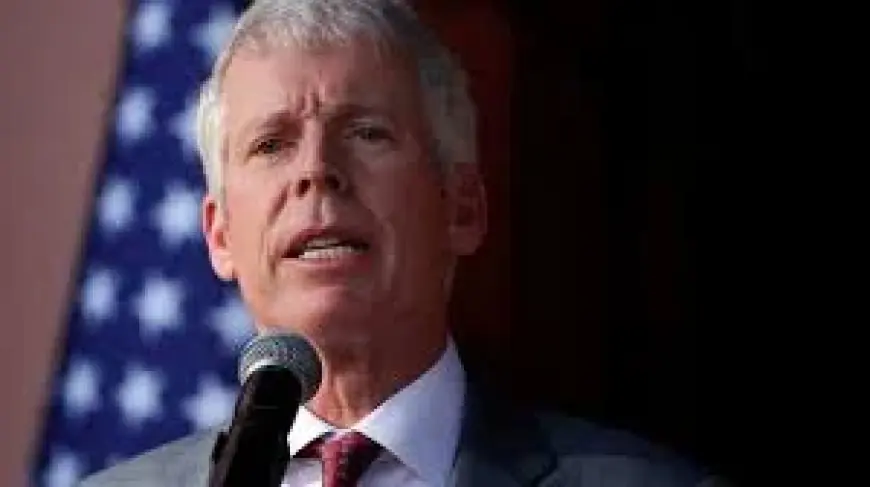
On a night when Tehran was described as blanketed in toxic black smoke and acid rain after strikes on fuel storage, the term iran mines threaded through briefings and warnings from Washington — a phrase that linked images of burning tanks and a strategic waterway where a few dozen devices have been reported laid in recent days.
What happened: Did the United States strike mine-laying vessels?
Donald Trump, President of the United States, said the U. S. has hit and “completely destroyed” 10 inactive mine-laying vessels and issued a stern warning that more actions would follow. The president also initially stated there had been “no reports” of Iran placing mines in the strait, then said that if mines had been placed they must be moved “IMMEDIATELY” or Iran would face military consequences “at a level never seen before. “
Karoline Leavitt, White House press secretary, told reporters that the U. S. Navy has not escorted an oil tanker through the strait of Hormuz and that the U. S. military is “drawing up additional options” to keep the strait open. Leavitt also framed broader objectives: she said the U. S. military is making strides toward its goals and is now moving to “dismantle Iran’s missile production infrastructure. “
What does Iran Mines activity mean for shipping and regional risk?
Officials have described a climate of escalating measures: the removal or destruction of mine-laying vessels, public warnings about mine placement, and the drawing up of further options to keep vital shipping lanes open. A few dozen mines have been laid in recent days, increasing the risk to commercial traffic through a crucial tanker route and intensifying diplomatic and military responses.
Steve Witkoff, special envoy to the president, addressed concerns about external intelligence sharing, saying, “Yesterday on the call with the president, the Russians said that they have not been sharing. ” His comment was offered in the broader context of questions over who might be tracking U. S. movements in the region and whether that information had been passed to Tehran.
Who is warning, who is acting, and what are the stakes?
Voices in Washington pushed for stronger action. One commentator warned of what he called the day of the “most intense” U. S. strikes on Iran yet, signaling that military pressure was mounting in multiple forms. The administration has reportedly considered deploying special forces into Iran to secure stockpiles of highly enriched uranium (HEU) — material that experts say could be used to make at least 10 nuclear warheads. Marco Rubio, U. S. Secretary of State, told Congress bluntly that “people are going to have to go and get it, ” reflecting a willingness to contemplate direct operations to deny nuclear-capable material.
At the same time, there were signs of restraint and coordination: the United States asked an ally to halt certain strikes on energy infrastructure, after a bombing of fuel storage facilities in Tehran blanketed the city and raised health warnings for residents. Karoline Leavitt framed the campaign in broad terms of ending a conflict: she said the war will not end until Iran’s “complete and unconditional surrender” and until it is clear that Iran does not pose a direct threat.
These competing impulses — to act decisively and to avoid uncontrolled escalation — are playing out against the backdrop of shipping lanes, damaged infrastructure on the ground, and the placement of explosive devices at sea. The phrase iran mines thus became shorthand in briefings for both an immediate hazard and a wider justification for stepped-up operations.
Back on the smoky streets of Tehran, where citizens endured looming plumes from damaged fuel stores, the international conversations about sea lanes and uranium stockpiles landed as urgent realities rather than abstract policy. Donald Trump, President of the United States, and Karoline Leavitt, White House press secretary, framed military options and objectives; Steve Witkoff, special envoy to the president, addressed intelligence-sharing disputes; and Marco Rubio, U. S. Secretary of State, emphasized the prospect of direct action to secure nuclear material. Yet for those living under the pall of smoke, the immediate question remained whether the measures meant to keep oil flowing and mines cleared would also keep civilians safe.
The night that began with smoke over Tehran closed with the same uneasy watchfulness: officials planning, warnings issued, and the phrase iran mines echoing as both a tactical description and a symbol of how a single element can link fires in a city to dangers in the water. The arc of policy and the arc of daily life now hinge on what comes next — restraint, escalation, or a fragile attempt to clear the lanes and the air at once.