Pedro Porro and the Dugout Moment: A Player’s Passion as Spurs Navigate a Turning Point

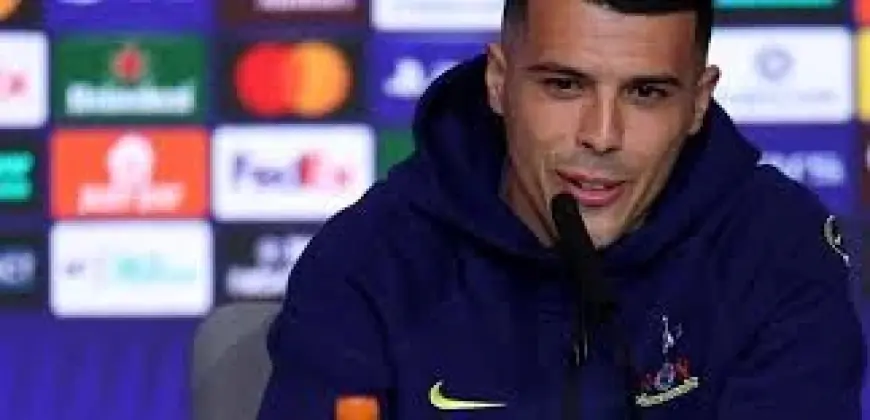
Inside a crowded press room at Estadio Metropolitano, pedro porro spoke plainly: a heated reaction on the touchline was not aimed at the manager but at the pain of losing. The right-back’s words landed against the backdrop of a club wrestling with form, injuries and an interim coach trying to steady the ship ahead of a Champions League first‑leg clash.
Pedro Porro: What did he say about the touchline outburst?
Pedro Porro, right-back for Tottenham Hotspur, described the episode after being substituted against Crystal Palace as a personal reaction. “I just want to make it clear, it was not about the manager. I am a player who gives it all on the pitch, 200%, and we never like losing, ” he said. The moment that prompted headlines — a confrontation with fourth official Ruebyn Ricardo and Porro later hitting a substitute bench seat — was framed by the player as emotion, not dissent toward Igor Tudor.
Porro added that the circumstances were unfamiliar to the squad and that his anger sprang from frustration with the situation rather than with coaching. He underlined the value he places on team unity: “So, to end all the speculation that it was about the manager… it was just my reaction. ” Porro also highlighted the return of an important team-mate, saying, “Cuti is a very important player for us… we missed him a lot. He is hugely important for us. ” These are the exact assessments he offered in the pre-match media session on the eve of the European tie.
What is Igor Tudor saying about the squad and selection?
Igor Tudor, interim head coach of Tottenham Hotspur, addressed squad availability and the need for adjustment after a turbulent run of results. He noted the return of players to their natural positions and the improved quality in training as people come back: “The players are coming back, that’s important, ” he said, adding that bringing key figures into the lineup was central to his planning for the match. Tudor acknowledged that changing long-standing habits can take time and described ongoing work with his staff on how fast changes can be made.
Tudor has used a nautical metaphor publicly in recent days to describe commitment and direction, and his comments to the media continued that theme: progress, he implied, will depend on players returning to their roles and adapting to the demands placed upon them.
How are players, staff and analysts framing the club’s immediate path forward?
Players have voiced support for Tudor’s methods. Porro said, “Well, since I found out he was coming to the club, I knew he was going to be a manager that would help us a lot… we’re on the right path. ” The player insisted the squad understands the need to learn about the manager and for the manager to learn about the squad, a two-way process he believes is underway.
Sam Tabuteau, a matchday analyst referenced in club briefings, has been part of the public conversation framing the situation as one requiring time for adjustments and for returning players to influence outcomes. The squad’s narrative is of incremental recovery: players returning from injury, coaching staff refining approaches in training, and senior figures trying to steady a tense atmosphere.
On the human side, Porro spoke of personal challenge after a minor injury and the frustration of a run of results that has not matched expectations: “The past few weeks have not gone our way, have not gone the way we expected. We just need to keep going until the end and do things as well as possible. “
Back at the stadium where the day began, the dugout seat that bore the force of a frustrated right-back now sits quiet. The pre-match comments of Pedro Porro and Igor Tudor have reframed that image: what looked like dissent is being described as raw emotion inside a group trying to recalibrate. Whether the path they insist is “the right one” produces the immediate results the club needs will be decided on the pitch, but for now the moment returns to its human center — a player, a manager, and a small fragment of unease that both insist can be turned into focus.