Trippier: Guardiola’s play-off lessons as 2030 plans loom

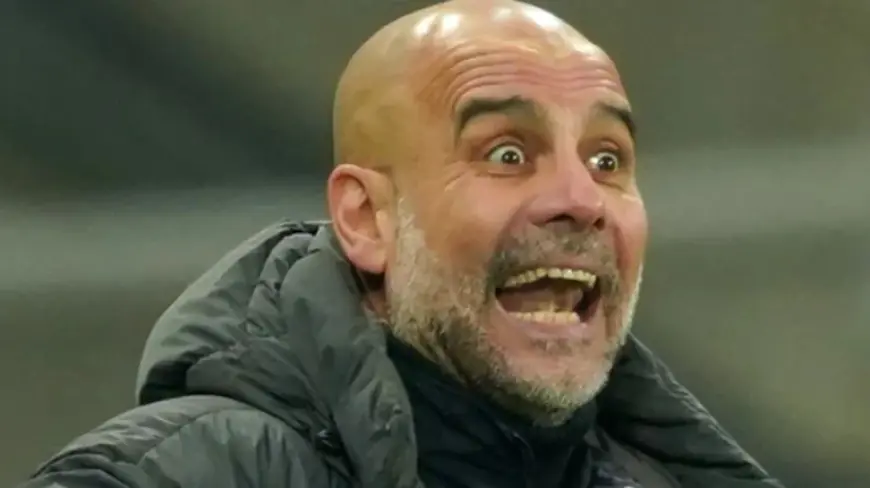
trippier sits in the headline but the inflection is clear: Pep Guardiola’s reflection on repeat, high-stakes encounters — likening them to basketball play-offs — marks a turning point in how elite clubs approach continuity, squad depth and long-term ambition.
What If Guardiola’s “basketball play-offs” pattern returns?
Guardiola described a run of repeated matches with Jose Mourinho in a past campaign as becoming “like the basketball play-offs. You do one thing; they respond with another, you answer in another way, ” highlighting the tactical guessing, in-game switching and preparations that define tightly matched rivalries. The context given shows how those concentrated sequences created fascination: Barcelona and Real Madrid met multiple times across competitions, producing a mix of decisive wins, cup success and draws that left the overall encounters roughly balanced.
That template is now visible in a different rivalry. Manchester City and Newcastle have met five times this season with City winning four of those fixtures, while Newcastle produced a result that dealt a significant Premier League blow in November. City’s heavier rotation in cup ties, and the recurring chance of facing the same opponent across competitions, makes Guardiola’s phrasing especially resonant: a single tie can seed a chain of contests that amplify tactical chess and strain squad resources. The notion of a continued sequence is explicit in the coverage: a dream of repeated, high-stakes meetings — even a pentalogy — is formed when one result feeds the possibility of further showdowns across league and cup competitions.
What Happens When Trippier is used to frame attention?
Using Trippier as a headline prompt underlines how coverage can pivot from a single name to broader structural questions. The material at hand focuses squarely on three practical pressures Guardiola highlighted: fixture congestion, injuries and the long process required to build sustained contention. Guardiola warned that playing every three or four days, combined with injury problems, makes survival across all competitions “impossible” without player fitness and organisational depth. He recalled his club’s own gradual ascent, noting that when the takeover happened they struggled in European qualification and that it “needs a process time. “
Those remarks sit beside a separate organisational claim: a club chief set a 2030 target to be in the global top debate. That ambition sits uneasily with the current snapshot described — exits from domestic cups at the hands of Manchester City, a mid-table league position at the time described, and concerns that a season might be fizzling out — underscoring the gulf between aspiration and the operational realities Guardiola outlined.
Who wins, who loses under this dynamic?
Winners in this landscape are the clubs that marry depth with organisation. Manchester City’s ability to rotate and still progress across multiple competitions was demonstrated in the matches described: they advanced in domestic cups and fielded players returning from injury who influenced outcomes. Individual performances cited include emphatic finishes from Omar Marmoush and Harvey Barnes that decided cup progression, and defensive and creative inputs from players making returns such as John Stones and Jeremy Doku.
Challenged parties are those coping with compressed schedules, injury lists and the step-change required to sustain a decade of top-level contention. Guardiola explicitly connected sustained presence in elite competitions to a process that takes time. Newcastle’s leadership has publicly set a long-range ambition to be among the world’s top clubs by 2030, but the coverage notes immediate headwinds: exits in cup competitions, league position shortfalls and the strain of the busiest fixture list in the country. Those factors make short-term consistency harder to achieve even if long-term intent is stated.
Uncertainty remains central and must be acknowledged: repeat fixtures intensify tactical interplay and physical demands, while organisational ambition and resource alignment determine whether an aspiration like a 2030 target is accelerated or delayed. Readers should take away that Guardiola’s play-off analogy is less a romantic observation and more a diagnostic: repeated, high-stakes encounters expose gaps in depth, fitness and process — realities that will shape which clubs close the gap and which must rebuild their timelines toward 2030 trippier