Vicario kept despite eight-match run and a moments-of-glory pivot

Eight consecutive Premier League matches in which the goalkeeper conceded two or more goals, yet vicario was not dropped — a decision that reframes how the club balances public scrutiny and match performance.
Vicario: How does one early save recalibrate scrutiny?
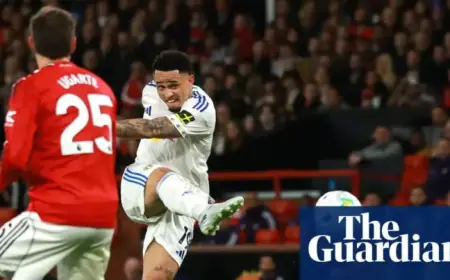
Verified facts: Tottenham Hotspur goalkeeper Guglielmo Vicario denied Adam Wharton inside the opening 45 seconds of the Premier League match, a single action captured in match footage and recorded in match commentary. That intervention sits beside the record that Vicario has featured in every Premier League minute this campaign while conceding two or more goals in each of his previous eight top-flight matches.
Analysis: The juxtaposition is stark. A single high-profile stop can arrest a narrative of decline, even as the underlying sequence of conceded goals suggests systemic vulnerability. The save against Adam Wharton is an immediate, visible corrective to criticism; the eight-match pattern is cumulative, statistical, and less amenable to quick reinterpretation. Both facts are essential to understand why the club has not altered its goalkeeper selection.
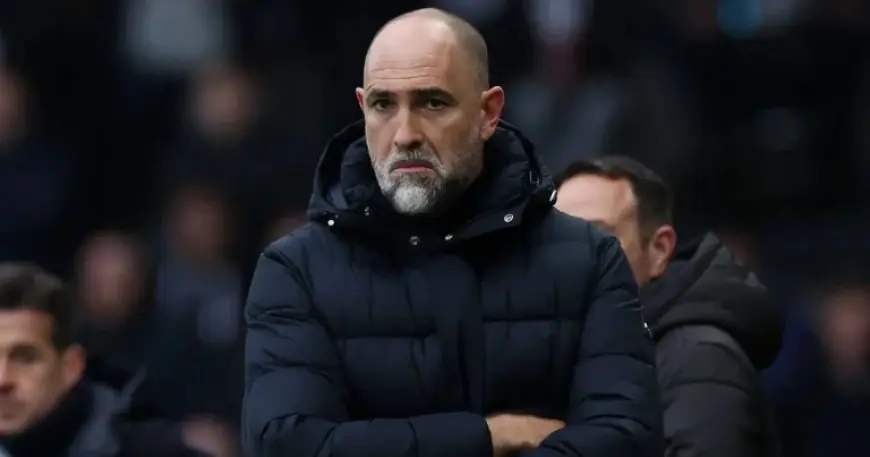
Why did Igor Tudor keep faith?
Verified facts: Tottenham manager Igor Tudor confirmed he would not replace Guglielmo Vicario with backup Antonin Kinsky for the match in question. Tudor said in his press conference: “I’m sure they are aware of the mistake they made and they will not do in the future. Not nice, not nice. Vicario is a fantastic guy, a fantastic player. I spoke with him. He’s OK. It’s part of the job, with the social media. “
Verified facts continued: Tudor noted the influence of social media on players’ lives and described a removed Premier League social media post that had singled out a free-kick error by Vicario; the club complained and the post was taken down. Tudor characterised the current era as one in which players live two lives — one within the club environment and one on social media — and argued that resilience and information management are required.
Analysis: Tudor’s decision can be read as a deliberate stabilising choice. Retaining a player who has played every minute this season sends a message about continuity and managerial confidence. Tudor’s public defence — citing both the player’s character and the distorting effect of social media — reframes the problem from individual culpability to environmental pressure. That reframing shifts responsibility for public perception from the individual goalkeeper to the ecosystem of criticism and coverage surrounding the team.
Verified facts: Antonin Kinsky had not featured in a competitive fixture since October and had made six top-flight appearances last term; the 22-year-old had appeared twice in 2025/26 in cup competitions. Tudor’s decision therefore involved weighing match sharpness and recent minutes available to an alternative goalkeeper against the incumbent’s experience of full-season play.
Analysis: The operational calculus is straightforward and defensible on sporting grounds: selectors must balance form, match fitness, and the disruptive effect of a midseason goalkeeping change. Tudor’s public remarks also introduce an accountability vector aimed at the institutions and platforms that amplify mistakes — an attempt to redirect discourse from selection rationale to the responsibility of commentators and official channels.
Accountability and what the public should know: Verified facts are clear on three points — Vicario made a high-profile early save; he has conceded two or more goals in each of his previous eight Premier League matches; and Tottenham manager Igor Tudor chose not to replace him with Antonin Kinsky for that fixture. Analysis separates observation from judgment: the save does not erase the conceded-goals pattern, and Tudor’s defence does not eliminate the need to examine tactical or defensive causes beyond the goalkeeper.
Call for transparency: The club should make available the internal assessment criteria that informed Tudor’s selection, specifying whether the decision was driven by training performance, tactical considerations, psychological support needs, or confidence in the player’s long-term contribution. Fans and governance bodies would benefit from clarity on how playing time is allocated when public scrutiny is intense and when internal metrics diverge from external perception.
Final assessment: The immediate match moment — the denial of Adam Wharton — and Igor Tudor’s public defence have temporarily shifted the narrative, but the longer pattern of conceded goals remains the operative fact that demands explanation. For lasting resolution the debate must move beyond social media reactions and toward documented, transparent evaluation of vicario.