Champions League Games: Why US kickoffs are an hour later and what fans are feeling

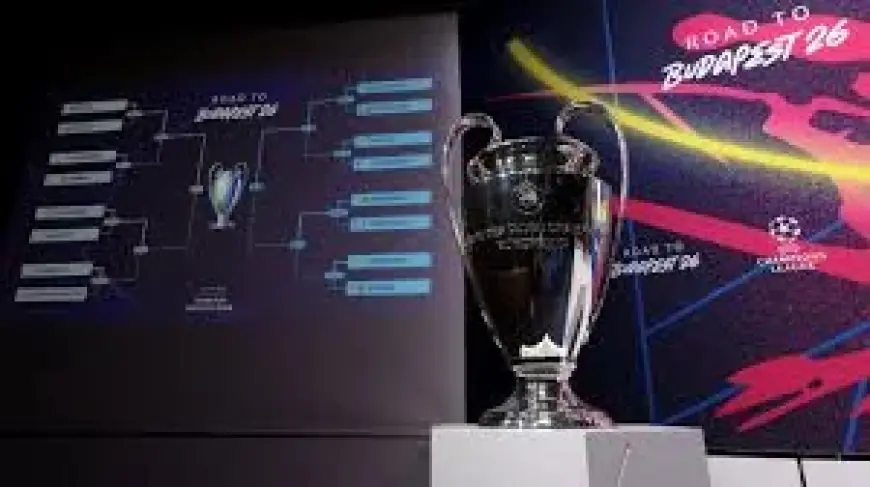
The stadium lights are on, the big screen is warming up and a handful of fans in a neighborhood bar check their watches — then remember that this week the champions league games they came for start an hour later than usual. The round of 16 is under way and the small shift in clocks has pushed midweek kickoffs back for viewers in the eastern United States.
Why are Champions League Games kicking off later than usual in the USA?
The change is not a new broadcast plan or a sudden fixture reshuffle: it comes down to daylight saving timing. The U. S. moved clocks forward on Sunday, March 8, while most of Europe does not switch until March 29. European kickoffs remain fixed to local time, so for a short three-week window the usual time gap between regions narrows by one hour. That means matches that normally appear at 3: 00 pm ET for eastern U. S. viewers show up at 4: 00 pm ET during the window. There is also the regular early slot, which appears at 1: 30 pm ET.
How are fans, venues and the match schedule feeling the shift?
The effect is visible in small, human ways. Fans who have cleared their schedules and settled in at home or in a local sports bar find a brief lull before teams take the field — the stadium is not full yet, the players are not out and the anthem has not started. The knock-on is practical: a late-arriving crowd, an extra half-hour to grab a refreshment and a slightly altered rhythm for supporters balancing work, family and matchday plans.
On the match list this week there are four Champions League fixtures on Tuesday, including Galatasaray v Liverpool and Newcastle v Barcelona. Punter interest remains high — one headline in the build-up even noted “Champions League accumulator: Joe Casey has a 7-1 acca for Tuesday’s first legs” — a reminder that the scheduling quirk does not dampen engagement, it simply shifts when fans tune in.
When will kickoff times return to normal, and what should viewers remember?
The temporary change ends once European countries move their clocks forward. When Europe switches to daylight saving time later in March, the usual time difference will return and Champions League Games will resume their familiar kickoff slots for U. S. audiences. Until then, viewers in the eastern United States should remember that midweek matches begin one hour later than they do for most of the season.
For fans who opened the evening expecting an immediate kickoff, the pause offers a chance to check plans: finish a meal, invite a friend, or make that quick run to the store. For clubs and broadcasters the adjustment is logistical but brief; for viewers it is a small calendar hiccup that alters the feel of matchday for a few weeks.
Back in the bar from the opening scene, someone orders another drink, the crowd settles into conversation and the screen flickers as the teams finally emerge. The extra hour has become part of the rhythm for now — a reminder that football’s global clock sometimes runs to two different rhythms, and that champions league games can, for a little while, teach fans to be patient and to savor the kickoff when it arrives.