Lindsey Graham Warns Saudi Arabia to Ally Against Iran

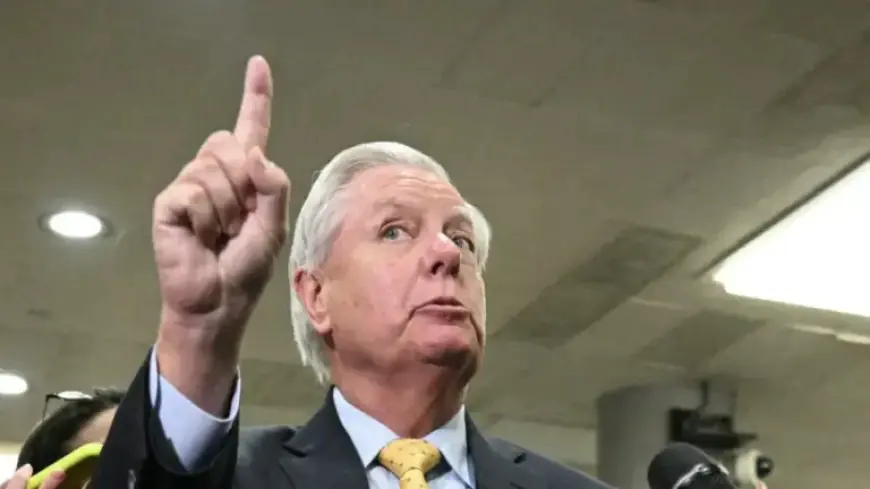
US Senator Lindsey Graham has recently issued a stern warning to Saudi Arabia regarding its stance on Iran amid escalating tensions in the region. On Monday, he criticized the kingdom for not engaging in military action against Iran, threatening repercussions for Gulf nations that remain uncooperative in what he describes as a mutual interest against Iranian aggression.
Lindsey Graham’s Warning to Saudi Arabia
In a post on X, Graham stated, “It is my understanding the Kingdom refuses to use their capable military as part of an effort to end the barbaric and terrorist Iranian regime who has terrorized the region and killed seven Americans.” He raised concerns about the United States forming defense agreements with nations unwilling to participate in collective defense against Iran.
Background of the U.S.-Iran Conflict
The U.S.’s involvement in the conflict took a significant turn on February 28, when military operations against Iran commenced. Graham’s push for action follows a series of incidents, including an Iranian strike on March 1 that resulted in the death of an American soldier stationed at a military base in Saudi Arabia. Iran has attacked key U.S. positions in the region, including the Prince Sultan Air Base and a section of the U.S. embassy in Riyadh.
Reactions from Gulf States
Gulf nations, particularly the UAE, Bahrain, Kuwait, and Qatar, have experienced increased attacks from Iran but remain hesitant to engage in offensive operations. Graham acknowledged this reluctance, stating, “Hopefully Gulf Cooperation Council countries will get more involved as this fight is in their backyard. If you are not willing to use your military now, when are you willing to use it?” His comments reflect growing frustration among U.S. officials regarding the participation of Gulf allies in the ongoing conflict.
- Graham met with Saudi Crown Prince Mohammed bin Salman prior to the conflict to discuss military strategy.
- The UAE has publicly declined involvement in offensive operations against Iran, echoing calls for diplomatic resolution.
Gulf States’ Lamentations
Throughout the escalation of tensions, Gulf states have conveyed their security concerns to the U.S. administration. The UAE’s ambassador to the UN, Jamal al-Musharakh, reiterated the necessity for negotiations and emphasized that their territories would not support attacks against Iran.
Strain on U.S.-Arab Relations
The ongoing conflict has strained U.S.-Arab relations, with President Trump expressing surprise at the scale of Iranian retaliation against U.S. allies in the region. Commentators have noted that the Trump administration appeared ill-prepared for the ramifications of escalating tensions.
As the conflict unfolds, the Jordanian political analyst indicated that Gulf states remain cautious, uncertain of the U.S.’s ability to achieve victory over Iran in this protracted confrontation.