Married At First Sight Australia: Alissa’s altar refusal exposes the experiment’s brittle premise

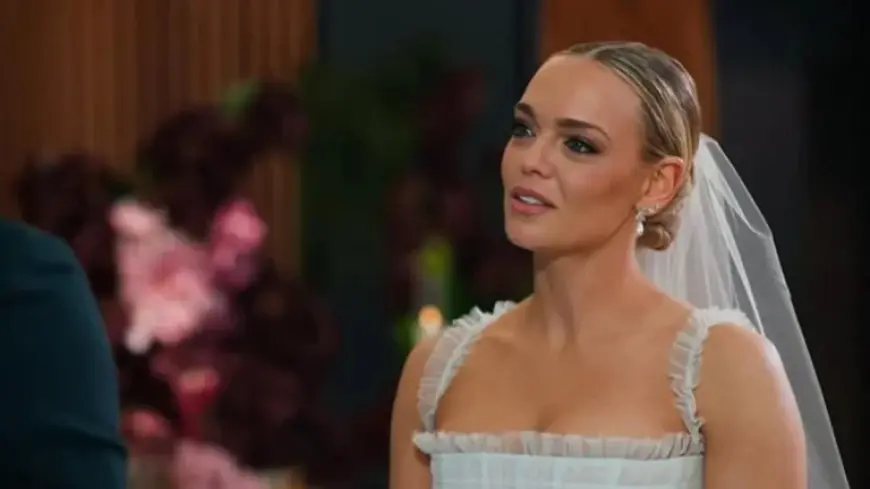
married at first sight australia returned in 2026 with an opening wedding that laid bare how fragile on‑camera commitment can be. The first bride to walk down the aisle, Alissa Fay, told her groom David Momoh she could not marry him unless he first got down on one knee. The exchange — and Alissa’s later account that the season’s drama ultimately “definitely helped build our relationship stronger” — raises immediate questions about participant intent, readiness and what remains undisclosed to viewers.
What happened at the altar?
At the wedding, Alissa Fay, identified in the programme material as a 33‑year‑old nurse and social media manager, met David Momoh, identified as a 31‑year‑old e‑commerce product manager, for the first time. As the ceremony proceeded Alissa became visibly unsettled; she told the groom, “I’m really, really sorry, ” and then said, “I don’t think I can marry you. ” David Momoh responded aloud with a single word: “Yep. ” The sequence also included a moment in which the groom was asked to kneel as part of Alissa’s condition for proceeding, which he did. Those exchanges are on record from the filmed wedding day and are central to understanding why this season’s initial pairing provoked immediate scrutiny.
What does Married At First Sight Australia reveal about readiness and reality mechanics?
The ceremony’s opening conflation of proposal ritual and marriage vow exposes a tension at the core of the format: participants are expected to enter an intimate commitment without prior personal groundwork. Alissa Fay later described experiencing intense negative attention during the social portions of the programme and said that facing that pressure “definitely helped build our relationship stronger. ” She spoke of testing and gratitude, saying, “We got through so much together and it was really testing, but I was so grateful for him, ” and that the couple became “a united front. ” Those statements, made by Alissa, are verifiable comments about her perception of events and the impact of the early controversy on the pair’s private dynamic.
What remains unknown and what should the public expect next?
Key outcomes are not clear from available material: it is not established whether Alissa Fay and David Momoh completed the experiment through to Final Vows, and on‑screen sequencing leaves open how private reconciliation or separation unfolded after filming. Programme rules noted in the show’s documentation bar participants from publicly addressing unfolding gossip while episodes air, which limits immediate clarification from those involved. The combination of the altar interruption, the subsequent proposal demand, and Alissa’s later affirmations about their bond presents a fact pattern that should prompt transparent answers from the production about participant readiness assessments, psychological support during intense public scrutiny, and how moments of crisis are managed off camera.
Verified fact: the filmed wedding included the bride saying, “I don’t think I can marry you, ” and the groom responding, “Yep. ” Verified comment: Alissa Fay has described the adversity they faced on the programme as something that ultimately helped strengthen their relationship. Everything beyond those recorded and quoted items remains unresolved in available material and should be labeled as such.
The immediate public interest centers on what is not being told — how much of the post‑ceremony reconciliation is editorial construction, and what safeguards were in place for participants who experience severe public backlash. The altar moment on married at first sight australia is both a ratings spectacle and, for the individuals concerned, a personal crisis that carries reputational consequences.
Accountability requires three concrete steps: clear disclosure from production about participant welfare procedures during and after filming; confirmation of whether the couple completed the experiment through to Final Vows; and an opportunity for the named participants to clarify their present status once programme restrictions lift. Until those steps are taken, the filmed exchange and Alissa Fay’s subsequent reflections will remain the public record — a partial but telling account of how quickly a televised experiment can pivot from ceremony to controversy on married at first sight australia.