Carson Wentz and the Jets’ 2026 QB Inflection Point as Free Agency Opens

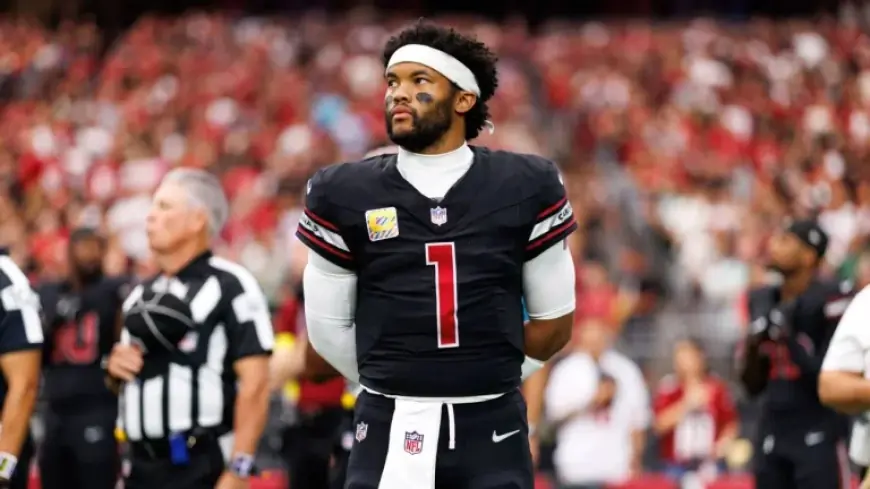
carson wentz sits inside a wider question hovering over the New York Jets at a clear turning point: who can stabilize the position in 2026 as the league’s negotiating window opens at 12: 00 p. m. ET and the new league year arrives at 4: 00 p. m. ET Wednesday. The Jets are navigating a transition described as the post-Aaron Rodgers/pre-next era, with urgency shaped by last season’s 3-14 finish and the reality that quarterback instability has become a defining feature of the franchise’s modern history.
What Happens When the Jets Treat 2026 as a Bridge Year?
The Jets’ current posture, as described by team decision-makers and analysts in the public discussion around their offseason, is to address short-term needs with a bridge quarterback (or two) while keeping the longer-term solution tied to the draft—either next month’s draft or even the following year’s. That approach is complicated by the stakes for first-year coach Aaron Glenn and general manager Darren Mougey, who face pressure to win games after last season’s result.
In Florham Park, the quarterback plan is being discussed daily by Mougey and Glenn with offensive coordinator Frank Reich and quarterbacks coach Bill Musgrave, both new hires, underscoring that this is not a single-decision problem. The Jets also carry financial context at the position: the team owes $10 million guaranteed to Justin Fields, with a $22 million dead cap charge in the likely event of his release. At the same time, the veteran market includes longtime starters expected to become salary-cap casualties and potentially available at the minimum salary of $1. 3 million due to offset language in contracts.
There is also a strategic fork: some fans want the Jets to effectively punt on 2026 and wait for the 2027 draft class, while the team’s leadership cannot easily afford a prolonged wait. draft analyst Jordan Reid framed the flexibility argument directly, noting the benefit of holding significant draft capital over the next two years and suggesting the Jets focus on “pillar pieces” rather than rushing a quarterback selection in the nearer term.
What If the Jets’ 2026 Options Are Mostly External—Trades, Cuts, and Veteran Stopgaps?
The Jets are entering the negotiating period and trade window with a market shaped by uncertainty: who will actually become available, who might be cut, and which quarterbacks would even want to sign with the team. One clear data point from the broader league calendar is timing: teams can negotiate with pending free agents during the legal tampering window beginning at 12: 00 p. m. ET, while transactions become official with the start of the new league year at 4: 00 p. m. ET Wednesday.
In terms of the player pool, one snapshot of the Jets’ landscape makes two ideas explicit. First, the team is not operating in a stable quarterback environment: last season featured three Jets quarterbacks starting at least four games each, a mark tied for the most by any team in a single season in NFL history. Second, the range of potential paths includes veterans, trade candidates, and draft prospects—yet the messaging around those paths is cautious and layered rather than definitive.
Another way to understand the breadth of possibilities is that evaluators have already begun sorting names into buckets: players deemed non-starters for the Jets in 2026, players who are unlikely fits, draft prospects who might be options in Rounds 1-4 but would be surprising Week 1 starters, and a veteran class described as better suited for No. 2 roles or stopgap duty. That framework doesn’t single out one inevitability; it highlights that the Jets may prioritize optionality over a single all-in bet.
Within that wide funnel, carson wentz becomes a useful shorthand for how fans and observers often process the market: not as a single “answer, ” but as part of a broader tier of veteran outcomes the Jets can use to buy time while roster-building continues.
What If the Jets Aim for 2027—But Still Need Credible 2026 Starts?
The Jets’ tension is straightforward: the franchise can try to align the long-term quarterback solution with a future draft window, but it still needs functional quarterback play in 2026 to remain competitive and to keep the coaching and front-office timeline intact. The plan described in the public conversation points toward bridging now and reevaluating later, including the possibility of leveraging a significant stash of draft capital in 2027 to position for a quarterback.
That longer view runs into two immediate constraints. One is organizational urgency: Glenn and Mougey “need to win games, ” an internal reality that changes the risk tolerance for a true one-year punt. The other is the practical challenge of being an attractive destination; one longtime personnel executive described joining the Jets as “going into the Black Hole, ” a blunt reflection of perception around the franchise’s quarterback history and current transition.
The decision tree also includes the upcoming draft. Ty Simpson was described as widely regarded as the draft’s best quarterback prospect not named Fernando Mendoza, and there is an open question of whether that type of prospect is worth a premium selection for New York. At the same time, the broader framework presented by Reid suggests the Jets could use their high-end picks to strengthen the roster around a future quarterback rather than forcing the issue immediately.
The key point is that none of these routes offer certainty. The Jets are balancing multiple layers—cap outcomes, who becomes available, trade feasibility, rookie readiness, and the need to avoid a spiral in 2026. That’s why the quarterback plan is being treated as a multi-step sequence rather than a single transaction, and why names that circulate in veteran discussions, including carson wentz, tend to be evaluated as part of a risk-managed bridge strategy rather than a definitive endpoint.