Newcastle – Fc Barcelona ticket freeze exposes Camp Nou security paradox as Flick reshuffles defence

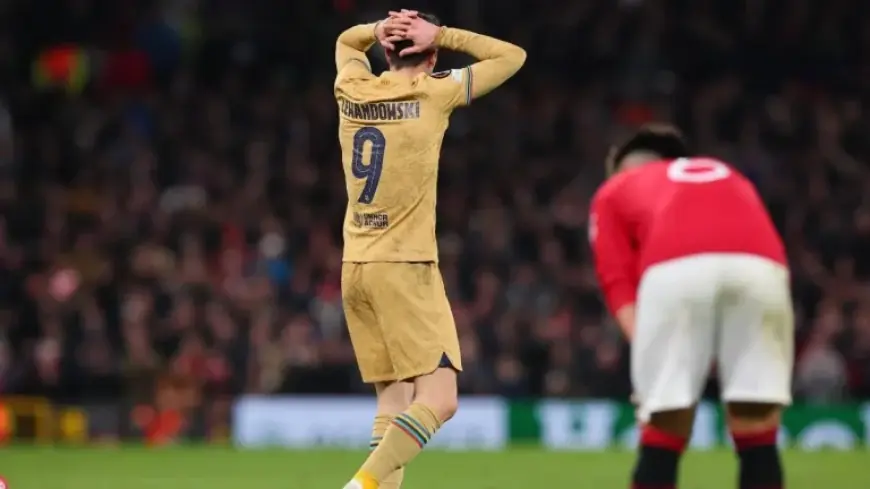
In the build-up to the St. James’ Park tie, newcastle – fc barcelona faces a stark contradiction: FC Barcelona paused ticket sales for the home leg to prevent an “invasion” of away fans while the away side reached the knockout stage only after a 9-3 aggregate rout in the play-off round.
Newcastle – Fc Barcelona: What is not being told about security and crowd control?
FC Barcelona (club statement) halted the sale of tickets for the return leg and temporarily suspended transactions after detecting allocations that would place visiting supporters outside the designated away area. The club has implemented measures described in that statement: nominal tickets, no sales at the stadium box office, and restrictions on rival clothing and symbols to the visitor sector and exchanged seats. The stated aim is to avoid a repetition of a prior episode in which a large visiting contingent materially altered the look and control of the stadium.
Those operational choices expose two tensions. First, the club frames the move as a security imperative for local and visiting fans. Second, the intervention effectively acknowledges that the ticketing and resale market around high-risk fixtures can overwhelm standard stadium segregation plans. The club statement lists concrete controls but does not publish the methods it will use to detect or prevent off-zone access once tickets are in circulation.
How are selection decisions and disciplinary risks shaping the tie?
On the pitch, Hansi Flick has opted to start Ronald Araujo in central defence alongside Marc Cubarsí rather than Eric García, while FC Barcelona will still be without two regular full-backs and one midfielder for the match. The absences of the club’s principal full-backs and the unavailability of Frenkie de Jong compress tactical options and make the defensive call a focal point for this tie.
Disciplinary exposure is also material. Four Barcelona players—Lamine Yamal, Casadó, Fermín and Gerard Martín—enter the fixture on yellow-card alert and would miss the return if booked. For the opponent, Burn and Joelinton likewise face the same suspension risk. Those cautions raise the strategic stakes of a single challenge or referee intervention in the first leg: coaches are constrained in how they manage aggression and rotation to protect key players from missing the Camp Nou rematch.
The selection contrast is telling of how each side arrived at this stage. Newcastle had to navigate a preliminary round in which they recorded a 9-3 aggregate win over their opponent to qualify for the last 16, while FC Barcelona advanced directly from the group phase. Newcastle manager Eddie Howe has chosen to field a young forward in Osula and keep a different attacker on the bench, signalling a blend of youth deployment and tactical flexibility in the English side’s approach.
What does this mean for Barca’s European trajectory and who holds responsibility?
Joan García (player, FC Barcelona) has framed the tie as a physical challenge the squad expects and for which they are prepared. That on-field readiness sits alongside institutional decisions off the field: the club’s ticketing pause and control measures are designed to pre-empt crowd imbalances but leave unanswered questions about transparency and enforcement.
Factually, Barcelona’s recent knockout history against English opponents includes difficult eliminations, with Manchester United and Liverpool cited as challenging precedents. At the same time, the broader record shows a mix of outcomes in European knockout ties versus Premier League sides. Taken together, sporting risk (injury and suspension exposure, forced lineup changes) and logistical risk (ticket allocations and away-fan distribution) are converging on a single fixture window.
Responsibility sits with multiple actors. FC Barcelona (club statement) has enacted ticket controls and must now demonstrate how it will operationalize those limits without unduly penalizing legitimate season-ticket holders and local supporters. Match organisers and the visiting club must manage travel and accreditation channels that have been flagged as channels for irregular allocation. On the sporting side, coaches must weigh the cost of protecting yellow-carded players against the tactical necessity of winning away from home.
Verified fact: FC Barcelona paused ticket sales and set nominal ticketing and clothing-zone rules; verified fact: Newcastle advanced through a play-off with a 9-3 aggregate scoreline; verified fact: Hansi Flick selected Ronald Araujo centrally and several Barcelona players are one booking away from suspension. Analysis: those facts combine to make the tie as much a test of off-field governance as of match-day tactics.
For the integrity of the competition and the safety of supporters, those governance measures must be followed by clear enforcement and public reporting on how allocations are verified before tickets are released. The parties involved should publish accountable processes so that the match outcome is settled by play rather than by preventable crowd-management failures in the Camp Nou return leg of newcastle – fc barcelona.