San Francisco Bay Area Considers BART Service Reductions

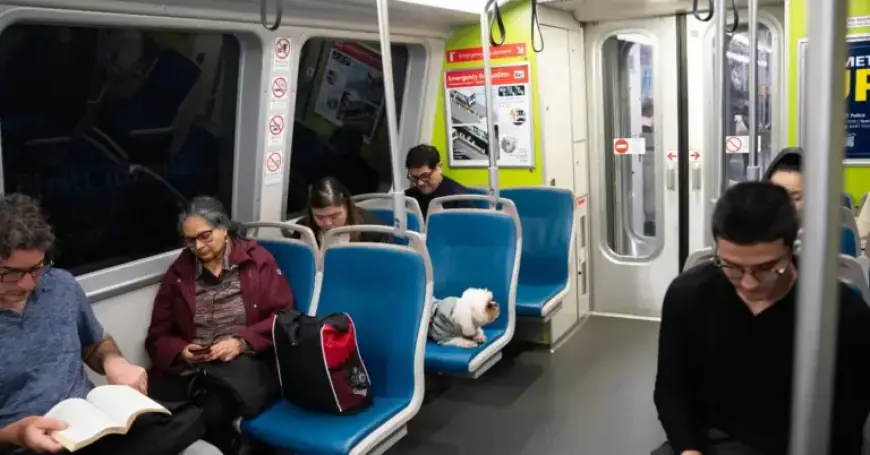
On a recent Friday morning, the Bay Area Rapid Transit (BART) system faced a troubling reality. Commuters stood in sparse numbers at stations, a stark contrast to pre-pandemic days when trains were packed. This change signals a potential crisis for BART, which has seen its ridership plummet significantly since the onset of COVID-19. Currently, ridership is less than half of what it was before the pandemic, with numbers falling from nearly 389,000 weekday exits in January 2020 to approximately 171,000 in January 2023.
Challenges Facing BART
BART’s budget is in dire straits, grappling with a $400 million annual structural deficit. The ongoing vacancy in San Francisco’s downtown office spaces contributes to the declining transit numbers. With around one-third of office spaces remaining unoccupied, many commuters have shifted to remote work, further impacting BART’s fare revenue.
BART officials have voiced the need for community support, urging Bay Area residents to approve a new sales tax proposal in the upcoming November vote. Without this tax revenue, the board warns of severe measures by 2027, including:
- Reduced train services
- Increased fares and parking fees
- Service hours ending at 9 p.m. instead of midnight
- Layoffs of approximately 25% of the workforce
- Closure of 15 stations, significantly reducing the system’s reach
Public Sentiment and Safety Concerns
The drop in riders has also affected the perception of safety on BART. Incidents of crime have risen per rider, and many commuters express concerns about service disruptions and unsociable behavior by others onboard. The culture surrounding BART has noticeably changed, prompting a campaign committee to gather signatures for the sales tax measure aimed at bailing out not only BART but also local transit systems such as Caltrain and Muni.
Potential Solutions and Community Reactions
Critiques of BART’s approach suggest that its warnings are more a tactic to pressure for funding than a reflection of actual needs. Some, like former state senator Steve Glazer, argue for more effective expense management rather than new taxes. Glazer advocates for renegotiating labor contracts and reducing administrative costs instead of increasing the financial burden on residents.
Others emphasize that without action, a complete shutdown could hinder the Bay Area’s recovery, as many neighborhoods depend on BART for accessibility. Tyler Bond, a commuter, highlighted the absurdity of an affluent city like San Francisco potentially losing a vital transport system due to funding issues.
The looming threat to BART raises critical questions about transportation’s role in urban life and the future of commuting in the Bay Area. As community discussions continue, proactive measures will be essential to safeguard this vital transit service.