Gary Woodland Opens Up About PTSD Battle Post-Brain Surgery in Candid Interview

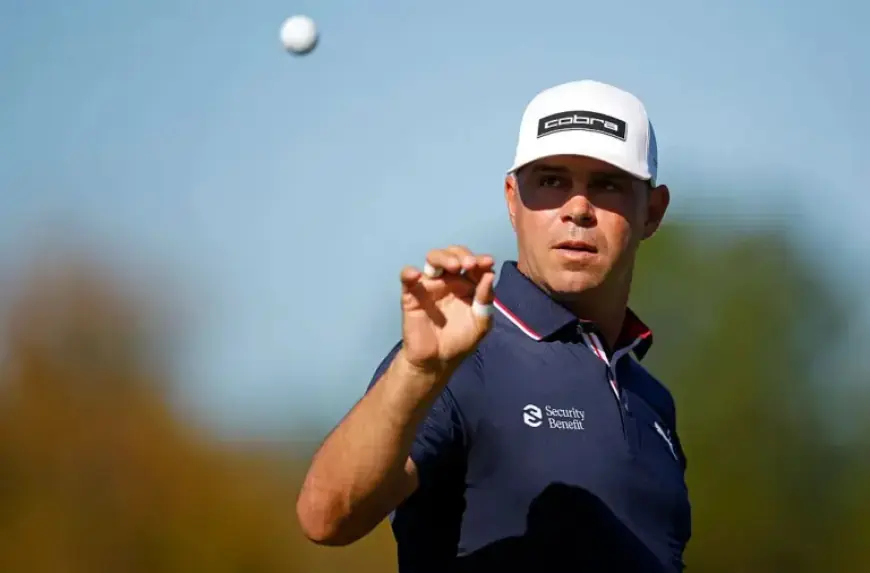
Former U.S. Open champion Gary Woodland is candidly sharing his battle with post-traumatic stress disorder (PTSD) following brain surgery. In a heartfelt interview on Golf Channel, Woodland revealed his decision to stop hiding the emotional toll he has faced since his procedure in September 2023.
Brain Surgery and the Impact of PTSD
Woodland underwent surgery after tests identified a lesion pressing on his brain. He admitted that the situation caused immense fear, making him feel as though “everything was going to kill me.” Despite these challenges, Woodland has returned to the PGA Tour.
Journey Back to the PGA Tour
After his surgery, Woodland resumed competing in 2024 and has already participated in five tournaments in 2026. He revealed he was diagnosed with PTSD about a year ago, a condition that has significantly affected his life.
Emotional Experiences on the Course
During last fall’s Procore Championship, Woodland experienced a particularly challenging moment. While serving as a vice captain for the U.S. Ryder Cup team, he felt overwhelmed during the second round of the tournament. A walking scorer startled him, leading to a panic that caused him to lose focus.
- “This stuff is hitting me, man. You can’t let anybody get behind me,” he told his caddie, Butch.
- Woodland struggled to remember his play and became emotional during the game.
- He described stepping away to cry in multiple bathrooms around the course.
A Message of Hope
Woodland’s openness is aimed at encouraging others who are grappling with similar issues. “I hope somebody that’s struggling sees me out here still fighting and battling,” he said. He understands the importance of seeking help, emphasizing that no one should face their struggles alone.
Support from the PGA Tour
The PGA Tour has implemented security protocols that have provided Woodland with support during his rounds. He plans to compete in this week’s Players Championship, an event he has successfully made the cut in two of the last three years.
Woodland’s journey illustrates resilience and the importance of addressing mental health, particularly in high-pressure environments like professional sports. His willingness to share his story stands as a testament to the strength needed to overcome personal battles.