Save America Act 2026: Trump’s ultimatum collides with Senate filibuster reality

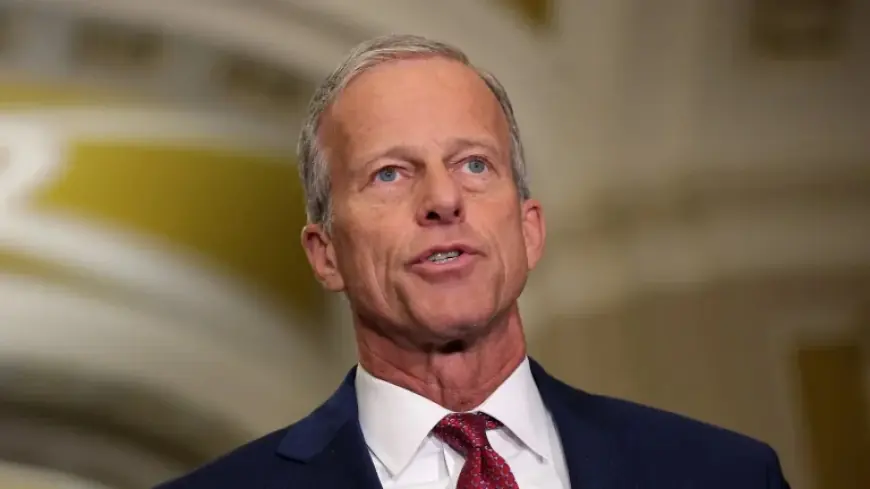
At 10: 15 am ET on Monday, President Donald Trump escalated pressure on congressional Republicans by declaring he will not sign any other legislation until save america act 2026 reaches his desk—while Senate Majority Leader John Thune made clear the Senate will not change its rules to force the bill through.
What is Trump demanding around Save America Act 2026—and how far is he willing to go?
Speaking to House Republicans at their annual retreat at his Florida golf club, Trump framed the voting legislation as his top priority and tied it directly to midterm outcomes. He said he would withhold his signature from other bills until Congress passes a strict proof-of-citizenship voting bill and, in a further demand, he said it also must end most Americans’ ability to vote by mail.
Trump’s push builds on legislation the House has already approved. As described in the legislative debate, the measure would require voters to present proof of citizenship when registering—using documents such as a passport or birth certificate—and would require photo identification when casting ballots. The measure also includes restrictions on mail-in ballots.
Trump urged the Senate to “push past” the filibuster, and he pointed to the idea of a “talking filibuster” as a pathway. The pressure campaign has sharpened a contradiction: Trump is demanding speed and certainty, yet the Senate’s own leadership is warning there is no guaranteed procedural route that produces either.
Why is Senate Majority Leader John Thune rejecting filibuster changes even under pressure?
Thune said Monday that changes to Senate rules are not going to happen to advance the bill, emphasizing the chamber’s 60-vote threshold for most legislative action. He also cautioned that the “talking filibuster” concept being floated could consume Senate floor time for an extended period without assuring passage.
Thune’s argument is rooted in two constraints he highlighted: the Senate lacks the votes to change the rules, and floor time is limited. He said the president is interested in getting the bill debated and voted on—while also wanting a modified version—but he cannot guarantee an outcome or a result. In practical terms, Thune’s position leaves the bill facing the same structural reality as other contentious measures: it must either secure sufficient support under current rules or stall.
Thune indicated he could consider bringing the legislation to the floor after the Senate completes work on a housing measure and in the context of unresolved negotiations over funding for the Department of Homeland Security. But he also described the prospect of dedicating extensive time to a procedural fight as a major cost to the Senate’s broader agenda.
Who is implicated, who benefits, and what are Democrats promising to do?
Democrats are publicly signaling they intend to block the bill. Senate Democratic leader Chuck Schumer said Trump’s threat would lead to gridlock, and he attacked the effort as an attempt to seize more control over election policy. Schumer also argued the measure would disenfranchise voters on a massive scale.
Voting experts have warned that requiring proof-of-citizenship documents could prevent many eligible Americans from registering if they do not have a birth certificate or similar records readily available. The estimate cited in the debate was that some 20 million voters could be affected by documentation hurdles, with the impact potentially increasing if a broad ban on mail balloting were added on top.
The push also lands amid competing deadlines. Lawmakers face pressure to address funding for the Department of Homeland Security, with airport workers and other employees described as going without paychecks during the ongoing conflict in Congress over immigration and deportation operations. Trump’s refusal to sign other legislation until save america act 2026 advances could intensify those bottlenecks, since even bills with bipartisan pathways would still require presidential approval to become law.
Meanwhile, Trump’s broader campaign to impose election changes has raised alarms from voting rights groups, particularly because U. S. states traditionally control election ballots and procedures under the Constitution. In parallel, the Justice Department is digging into Trump’s concerns about the 2020 election, and the FBI has taken the unusual step of seizing ballots and election materials in Georgia and, most recently, in Arizona.
Verified facts: Trump has publicly stated he will withhold his signature from other legislation until the bill advances; Thune has rejected rule changes and warned of a prolonged, uncertain process; Democrats have pledged to block the measure; the House has passed the bill; and federal-state authority over elections is a central tension in this dispute.
Informed analysis (clearly labeled): The clash sets up a time-and-leverage standoff rather than a straightforward legislative sprint. Trump is attempting to convert must-pass governance into pressure for election-law changes, but Thune’s refusal to “nuke” or rework the filibuster suggests the Senate will resist trading institutional rules for speed. That leaves the bill’s fate dependent on the slow math of votes and the finite calendar of floor time—conditions that could produce the very gridlock Trump’s ultimatum invites if no deal emerges.
Until either the Senate finds a path under existing rules or the White House alters its posture, Congress may be forced to choose between broader governing business and Trump’s demand to prioritize save america act 2026.