Champions League Games and the night English confidence meets hard questions

On a Tuesday packed with champions league games, four ties set the stage for a fresh round of tests, with Galatasaray hosting Liverpool and Newcastle facing Barcelona among them. The floodlights and the noise feel familiar; the stakes do not. This is where reputations collide with reality and storylines turn into results.
Are English clubs’ results masking a shift?
The narrative around the round of 16 is stark: Premier League giants face a reality check. Even with a heavy presence among automatic qualifiers — five of the eight places — there is a sense that the glow of superiority could fade over the coming weeks. Momentum built in the early months guarantees nothing when knockout football shrinks margins and magnifies mistakes.
The benchmark for that early momentum has been sky-high. One headline figure stands out: a flawless run of eight wins that secured top spot for Arsenal. Yet the meaning of dominance changes once the format does; from here, the calculus turns on away resilience, first-leg control, and the ability to manage pressure that grows heavier with each passing minute.
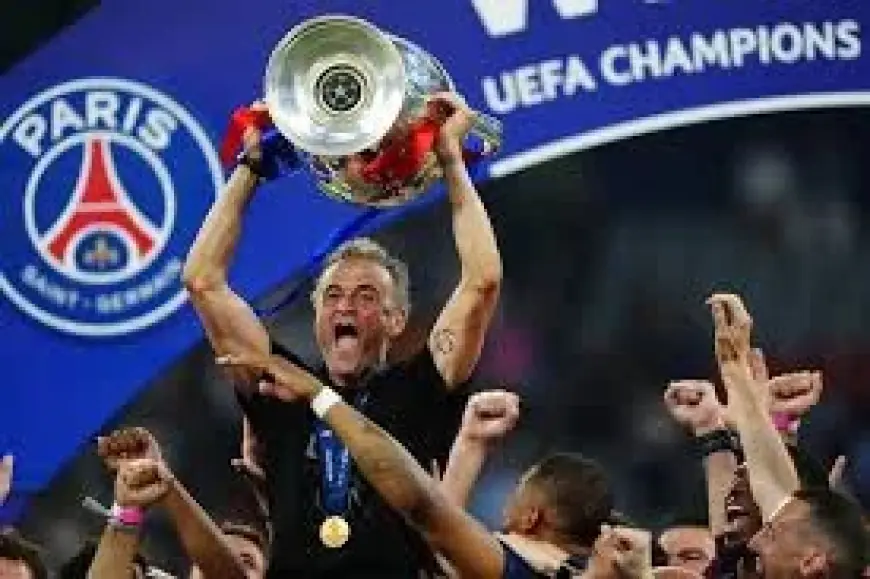
On the continent, Paris Saint-Germain’s standard-bearer status is a reminder that English strides meet hardened European pedigree. Paris Saint-Germain manager Luis Enrique, fresh from last season’s success in this competition, represents the kind of tactical clarity and knockout experience that can complicate any English path.
What do Tuesday’s Champions League Games tell us now?
The first legs on Tuesday begin to answer the season’s defining question: does volume of qualifiers translate into advantage when the field is unforgiving? Galatasaray’s meeting with Liverpool and Newcastle’s encounter with Barcelona put contrasting assignments under the microscope. One asks whether an English power can turn a hostile away assignment into a platform; the other tests how a returning contender handles a heavyweight name and the expectation that comes with it.
For supporters, champions league games at this stage hinge on details that rarely earn headlines: set-piece duels, the tempo set in the opening 15 minutes, the transitions that can flip control in seconds. The first leg is rarely decisive, but it can tilt psychology. A narrow lead can become a shield; a single lapse can become a burden to carry into the return.
What should fans watch for in the first legs?
Three threads will shape the evening’s outcomes:
- English presence versus European pedigree: A large contingent from England meets rivals whose habits were formed deep in knockout runs.
- Home-ground edges: Atmosphere and familiarity can amplify energy or tighten nerves; the balance in first legs matters.
- Managerial imprint: Selection choices and in-game tweaks decide whether a plan survives the first 20 minutes and the final 10.
The central tension is not only whether English clubs progress, but how they do it. Control without incision can waste an away platform; boldness without balance can invite the counter that changes a tie. The teams that turn fine margins into habits tend to write the late-spring chapters.
Around the stadiums, the feeling is both assured and unsettled. Assured, because the route here has been strong for England’s leading sides; unsettled, because the next hours bring a different form of scrutiny. The weight of expectation is part of this tournament’s identity — and it can be both a driving force and a fragile companion.
As whistles cut through the noise on Tuesday, the contests will return us to first principles: can you keep the ball when it burns, and can you win ground when the pitch feels steep? The results will not settle every argument, but they will recalibrate the terms of debate before the second legs loom.
Back where the night began — with four fixtures and all the doubts they summon — the meaning of champions league games for English clubs is about to be tested in real time.