Champions League Fixtures: Round-of-16 Tests as Knockout Drama Returns

The champions league fixtures resume at a decisive inflection point as the competition shifts from the league phase into two-legged knockout ties; the schedule includes Galatasaray v Liverpool at 1: 45 pm ET and Newcastle v Barcelona among the early matchups.
What Happens in the Champions League Fixtures this week?
The current state of play is framed by a compact, high-stakes round-of-16 draw. Liverpool open with a trip to Galatasaray at 1: 45 pm ET. Newcastle face Barcelona at St James’ Park. Tottenham travel to Atletico Madrid. Elsewhere, Paris Saint-Germain host Chelsea in a rematch of last summer’s Club World Cup final, and Real Madrid meet Manchester City at the Bernabeu.
- Liverpool v Galatasaray — 1: 45 pm ET (Liverpool have lost to Galatasaray earlier this season)
- Newcastle v Barcelona — St James’ Park
- Tottenham v Atletico Madrid — Tottenham away
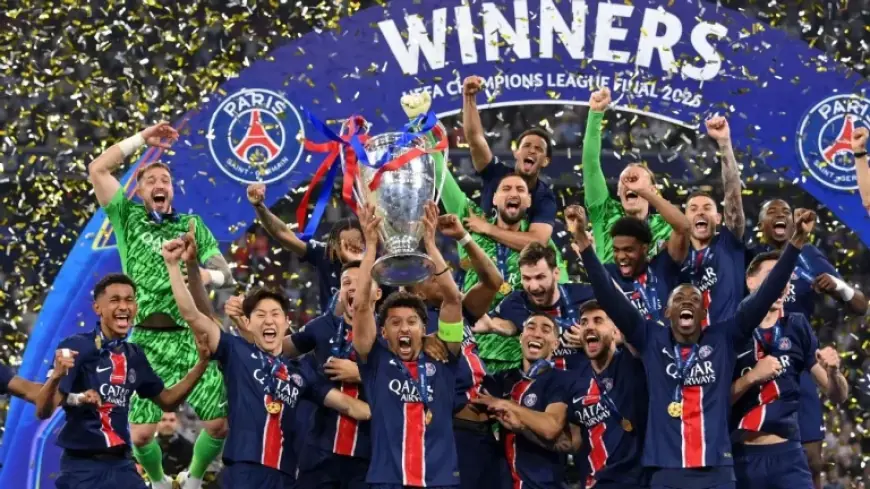
- Paris Saint-Germain v Chelsea — Club World Cup final rematch
- Real Madrid v Manchester City — Bernabeu
Voices close to individual clubs underline the fine margins in these ties. Sam Lee, Manchester City reporter, highlights City’s opportunity against Real Madrid when the Spanish side is not at full strength. George Caulkin, Newcastle United reporter, places Barcelona as the tougher test while noting Newcastle relish high-profile occasions at home. Gregg Evans, Liverpool reporter, notes Liverpool will see European ties as a barometer of progress after mixed domestic form; Chelsea’s meeting with PSG is framed by Cerys Jones, Chelsea reporter, as a chance to prove last summer’s Club World Cup result was more than a one-off.
What If the Round-of-16 Favourites Falter?
Forces of change in this phase are straightforward and observable: bracket geometry, recent head-to-heads, injuries and the psychological carry-over from unexpected results in the league phase. Historical weight also matters. The past decade of winners is concentrated: Real Madrid, Liverpool, Bayern Munich, Chelsea, Manchester City and Paris Saint-Germain are among the teams that have claimed the last ten titles, and those clubs form a dominant section of the bracket that analysts have labelled the “Silver Path. “
Scenario mapping, constrained to the available facts, produces three distinct outcomes.
- Best case: One or more historically proven contenders navigate the draw and reassert dominance — examples include clubs listed among the past decade’s winners progressing deep into the competition.
- Most likely: The bracket’s structure limits how many historically dominant clubs can reach the final; at most one of the Silver Path sides will reach the final this season, leaving room for a high-quality contender from the other half to emerge.
- Most challenging: Upsets proliferate and a second consecutive first-time finalist or winner appears; there is precedent for a first-time winner emerging recently, and Arsenal are identified as sizable favourites for the overall title while still holding less than even odds.
Who gains and who suffers is clear-eyed: established elite clubs retain institutional advantages — squad depth, knockout experience and historical momentum — while emergent sides and those carrying recent league-phase disappointments face the toughest path. Teams that endured surprise defeats in the league phase enter the ties with tactical and psychological questions to answer.
What readers should take away: this stage will be defined less by broad narrative than by isolated margins — a single away goal, an injury absence, or a repeat of a league-phase upset can tilt a tie. Expect tightly contested first legs, a premium on defensive resilience and an elevated value placed on away performances. Track the listed head-to-heads and watch how bracket geometry channels favourites; that is the practical frame for anticipating these champions league fixtures