His Future Dramatically Changed

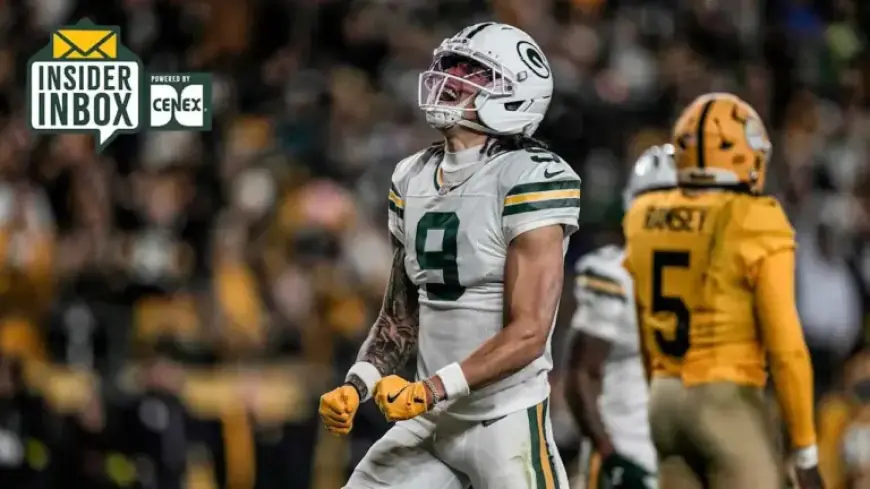
The sports landscape is constantly changing, and several recent developments have significantly impacted player futures and team dynamics. This article explores key events surrounding player contracts, team negotiations, and historical shifts in the NFL.
Matthew Golden’s Jersey Number Dilemma
Matthew Golden faces a potential shift in his professional identity with the availability of jersey No. 2. Currently, it’s unclear whether he will pursue an inventory buyout, particularly for those holding the less common No. 0 jerseys. The implications of such changes could affect his brand within the league.
Jordan Love: Oldest-Tenured Player on the Packers
In an interesting turn of events, Jordan Love has become the longest-tenured player on the Green Bay Packers. This transition indicates shifting dynamics within the team and raises questions about leadership and experience moving forward.
Contract Trends Impacting Players’ Futures
Eric Stokes has received widespread commendation following his recovery and contract negotiations. Many enthusiasts praise his character and are thrilled about his second chance in the league. His successful return highlights the unpredictable nature of player careers.
J.M. Linderbaum signed a remarkable three-year contract worth $81 million with the Raiders, surpassing initial projections. This deal sets a high standard, particularly for centers, as it greatly exceeds the previous record held by Creed Humphrey at $18 million per year. Such statistics reveal a significant market shift.
- Linderbaum’s contract: $81 million for three years
- Previous record: Creed Humphrey at $18 million per year
- Rise in market dynamics due to contract projections and player performance
The Future of Christian Watson
The Indianapolis Colts’ recent contract with player Pierce could set new expectations for Christian Watson’s pending negotiations. Pierce’s $29 million contract raises the stakes for Watson, who has yet to achieve 50 catches in a single season. This development suggests that Watson may find himself negotiating under new financial assumptions.
Understanding Player Tenders
Player tenders are an essential part of contract negotiations. For instance, the Dallas Cowboys placed a second-round tender on Aubrey. This decision allows the team to either match a rival’s offer or acquire a second-round draft pick should they lose him.
- Second-round tender: Allows matching offers or draft pick compensation
- Only applicable to restricted free agents
- Unrestricted free agents have no protective tenders available
Packers’ Historical Context and Future Outlook
The Packers’ past struggles can be linked to their management decisions before the rise of the salary cap and free agency. Without wealthy ownership or competitive bidding, the franchise often found themselves at a disadvantage. The introduction of the salary cap has since empowered teams like the Packers.
Impactful Stadium Experiences
Experiences in iconic stadiums leave lasting impressions on fans. Locations like Coors Field evoke awe with their breathtaking views, while historic sites like Wrigley Field resonate nostalgia. These venues serve as both cultural and architectural staples for sports enthusiasts.
Conclusion
As the sports industry adapts to contract negotiations and shifting player roles, the future for many athletes remains uncertain. However, developments like massive contracts and emerging player dynamics are critical for shaping the trajectory of teams and players alike.