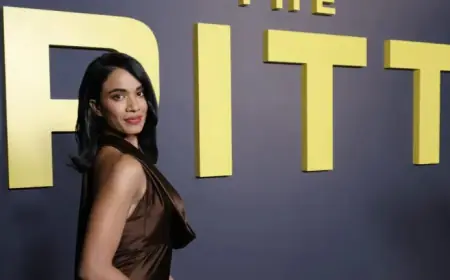
Jess Wright Apologizes After Podcast Thong Remarks Spark TikTok Rebuttal and Public Backlash

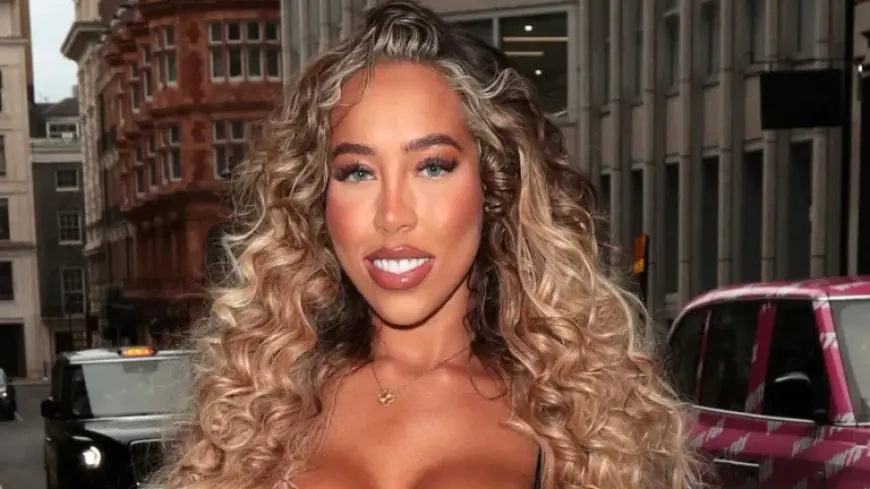
The recent episode of the Wright At Home podcast placed jess wright at the center of an unexpected social-media confrontation after she, alongside her mother and sister, questioned the acceptability of thong bikinis. The comments — framed as preferences and reinforced by references to partners’ reactions — quickly generated a viral TikTok response and an apology from the podcast hosts.
Jess Wright and the podcast exchange
The Wright At Home podcast episode featured hosts Carol Wright, Jess Wright and Natalya Wright discussing thong bikinis on beaches. In the conversation, one line that drew particular attention was Jess’s description of her husband’s reaction: “Will cannot stand it. He says to me, ‘I cannot understand how she thinks that’s attractive’. Put it away and leave something to the imagination. Who wants to see up their butts?'” Carol added that her husband Mark Sr finds them “unsexy, ” and Natalya urged that if someone wears them and bends over, they should “put a sarong on. “
That exchange was clipped and reused by current TOWIE star Dani Imbert, who overlaid the audio on a TikTok showing herself on a sunset beach wearing thong bikini bottoms. The move turned the podcast exchange into a cultural counterpoint — one that reframed the original comments as a prompt for autonomy and body confidence.
Backlash, social response and apology
The TikTok post attracted rapid engagement from viewers and fellow cast members. Lauren Goodger commented, “I LOVE this wow  , ” and Dani replied, “I love you my icon
  . ” Viewer replies ranged from celebratory to critical of the podcast audio, with comments including, “Always wear what makes YOU feel confident ladies
  , ” “
, ” “ it’s givingggg jealous, ” and “Looking amazing. Love this. We shouldn’t be bringing women down in this day and age xx. “
Faced with the online backlash, the three podcast hosts issued a joint public apology shared on social accounts. The statement read: “In response to comments we made on our podcast. We’ve listened, we hear you and we want to say sorry. Our judgement was wrong and we take full accountability and will do better moving forward. Love Jess, Natalya and Carol. ” That apology explicitly acknowledged the impact of their words and pledged corrective intent.
Analysis: reputation, reality TV influence and accountability
The episode and its fallout illustrate how comments made in conversational podcast formats can quickly migrate into performative rebuttals on visual platforms. For jess wright, whose public profile includes a TOWIE tenure and a recent family life as a married parent, the incident highlights a tension between personal opinion and public responsibility. Her media history includes earlier public visibility from her time on TOWIE, and personal details cited in recent public records note that she married in 2021 and is a parent to a son born in 2022.
Mark Wright’s presence in the family narrative — identified as a radio presenter and as a sibling in public-facing roles — along with broader cast interactions, shows how interpersonal remarks echo across an orbit of reality-TV figures. The viral response from Dani Imbert repurposed the hosts’ words into a declarative statement of self-presentation, while other cast reactions amplified the moment and framed public sentiment.
From a reputation-management perspective, the apology functions as an attempt to de-escalate and reclaim the conversation. It also signals a recognition that conversational media, even when presented as informal, is consumed with expectations of respect and inclusivity.
Where this leaves the cast and the conversation
The episode’s trajectory — from casual discussion to viral rebuttal and public apology — is a reminder of the reach and speed of cross-platform response. For jess wright, the consequences are both reputational and instructive: the hosts have acknowledged misjudgement and committed to doing better, but the public reaction underscores ongoing scrutiny of celebrity commentary on personal appearance.
As reality-TV personalities navigate multi-format engagement, the incident raises a forward-looking question about how conversational shows will balance candid opinion with accountability, and how cast members will respond when casual remarks intersect with broader conversations about autonomy and body confidence.
Will this episode change how reality stars moderate on-air opinions, or will it become another routine flashpoint in the cycle of viral rebuttal and apology?