Billy Bishop Airport: 5 Revelations After Ford Calls Island Residents ‘Squatters’

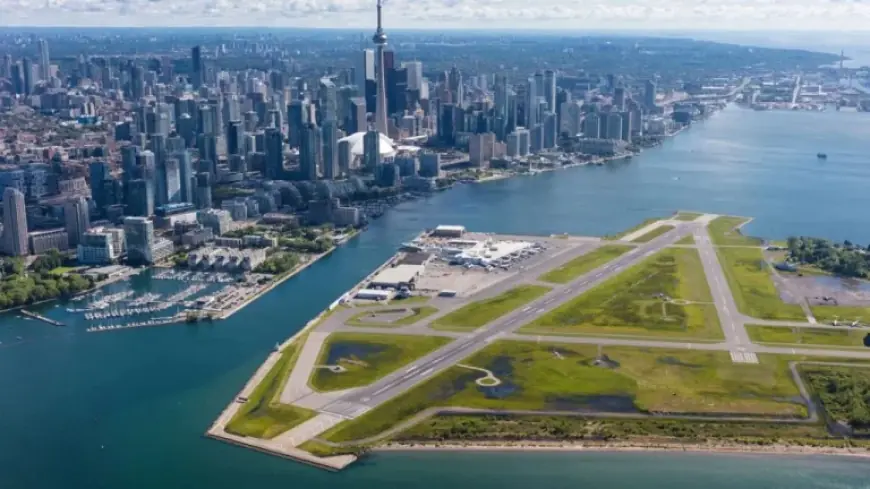
An unexpected escalation in the debate over billy bishop airport has shifted attention from technical runway plans to a personal political clash. Premier Doug Ford’s comment that there are “260 squatters on the island” has galvanized long-standing opposition among island residents and injected fresh momentum into provincial efforts to press for larger jets at the Toronto Islands airport.
Why the dispute matters now
The immediate flashpoint is a revived provincial push to modernize facilities that would permit larger jet engines, a proposal that has faced municipal and community resistance for decades. The premier referenced internal polling that claims 70 per cent of downtown residents support expansion, and he has framed island objections as a local impediment to broader change. The airport is governed by a tripartite arrangement among the City of Toronto, the Toronto Port Authority and the federal government, and the city has voted to extend that arrangement for another 12 years beginning in 2033.
Billy Bishop Airport: Political flashpoint
Political language has moved front and center. Premier Doug Ford, identified as eager to see modernization, characterized island homeowners with the phrase “There’s 260 squatters on the island that are paying $1 a year for 99 years …” and contrasted that arrangement with the experience of downtown workers. His rhetoric was followed by the assertion that the federal government is supportive and by a separate, more forceful line: jets are coming “one way or another. ” Federal Minister of Transport Steven MacKinnon was described as more circumspect in public remarks but signaled that change may be timely. That mix of provincial insistence and federal caution reframes technical debates about runway lengths as a contest of political will.
Community reaction and the human stakes
Island residents pushed back sharply. Rick Simon, a Toronto Island resident who has lived there since 1967, said, “I think he’s got his facts entirely wrong, ” and argued the threats to expand the airport have recurred over time without resulting in displacement. Michael Harris, also a Toronto Island resident, described disappointment in the premier’s characterization while noting continued local resistance. Around 700 people live in 262 homes across Wards and Algonquin Islands; residents lease land under arrangements referenced by the premier that were described in public comments as a one-time fee ranging from $60, 000 to $78, 000, not a nominal annual payment.
What lies beneath the headlines
At issue are overlapping sources of authority and competing public priorities. Municipal opposition to jets has existed for more than two decades and has been the basis for sustained campaigns against runway extension. The governance structure—city, port authority and federal government—creates procedural barriers and political openings simultaneously: the city’s recent vote to extend the existing deal through 2033 preserves the status quo while allowing other orders of government to press for change. The premier’s political posture and the federal minister’s cautious openness suggest a possible pathway for proponents, but the rhetoric targeting residents has hardened local resolve rather than eroded it.
Expert and official perspectives
Doug Ford, Premier of Ontario, framed the debate around perceived public support and personal property arrangements. He also stated a readiness to advance modernization and suggested cooperation with the federal government. Steven MacKinnon, Minister of Transport (federal government), was publicly described as more circumspect yet not dismissive of reconsidering airport operations. Island residents Rick Simon and Michael Harris have voiced sustained opposition and mistrust of proposals that would alter their communities. Those voices illustrate how stakeholders grounded in place perceive the proposals as not merely technical changes but existential challenges to their neighbourhoods.
Looking ahead: consequences beyond the islands
The controversy over billy bishop airport combines land-leasing mechanics, municipal governance choices and high-stakes political messaging. If provincial leadership continues to press for runway changes while federal responses remain measured, the path forward may be shaped as much by public sentiment and courtroom politics as by engineering studies. Will the debate over jets reshape Toronto’s waterfront politics and the relationships among municipal, provincial and federal players, or will entrenched local opposition hold the line? The answer will determine whether this episode becomes a turning point or another chapter in an enduring conflict about the airport’s future.