Tibet: 67th Anniversary as an Inflection Point for Rights and Identity

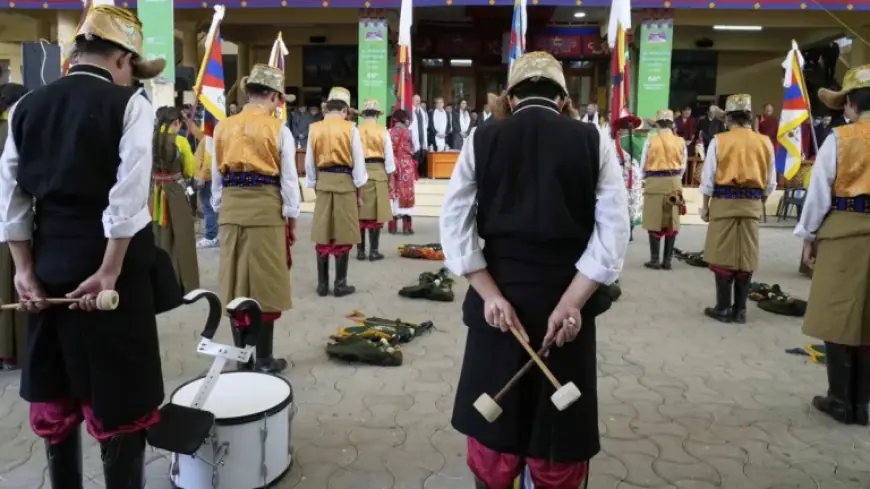
tibet marks the 67th anniversary of the 1959 Tibetan National Uprising, a moment the Kashag frames as a solemn tribute to martyrs and a renewed appeal for international solidarity with Tibetans both inside and outside the region.
What If Tibet and Global Advocacy Reconnect at the Anniversary?
Exiled communities and international supporters used the anniversary as a focal point for coordination and visibility. In Dharamshala, Tibetans living in exile and supporters from more than 37 countries gathered at the main Tibetan temple, Tsuglagkhang, for commemorative events and multi-day meetings of Tibet support groups. Participants described a three-day international meeting intended to strengthen global advocacy and to coordinate awareness campaigns and peaceful efforts regarding the Sino-Tibetan dispute. Delegates also met the Tibetan spiritual leader as part of the observance.
What Happens When Rights Reports and Kashag Appeals Collide?
Two distinct but overlapping narratives framed the day: the Kashag’s appeal to preserve identity and compassion, and human-rights documentation of repression inside the region. The Kashag emphasized the anniversary as a tribute to those who fought in 1959 and reiterated concerns about policies that, it states, aim to erode Tibetan national identity. The Kashag described a recent “Year of Compassion” initiative linked to the spiritual leader’s teachings and highlighted large-scale programs that it characterizes as forced assimilation, including the placement of around a million Tibetan children in colonial boarding schools with restricted Tibetan-language instruction and political indoctrination.
Human Rights Watch documented a set of specific, politically motivated actions in 2024–25 based on information from exile-run platforms: 45 detentions tied to political activity or content on personal devices; 19 punishments for sharing information abroad or possessing material about the spiritual leader; a case of a waitress detained after a phone search and later released after a year; at least 15 enforced disappearances, including three singers; and four senior religious figures detained, including Choktrul Dorje Ten and Khenpo Tenpa Dargye. The documentation includes two deaths in custody and two deaths shortly after release. Some detentions followed public protest activity: five people remained in custody after arrests tied to protest over a dam in Sichuan in 2024, a lone Kirti monk was detained in March 2024 after a brief protest, and mass arrests followed protests against gold mining in November 2025. The Kashag also highlights programs described as forced relocation and labour transfer under initiatives such as the Training and Labour Transfer Action Plan. The Kashag cites recognition of forced assimilation by named international bodies and research institutions.
- Documented detentions and disappearances: 45 politically motivated detentions in 2024–25 and at least 15 enforced disappearances.
- Cultural and educational pressure: Kashag cites around a million children placed in colonial boarding schools and political indoctrination concerns.
- Localized protest responses: arrests linked to dam protests in Sichuan, a Kirti monk arrest in March 2024, and mass arrests after gold-mining protests in November 2025.
Who Wins, Who Loses — And What Should Observers Do?
The anniversary crystallizes clear immediate winners and losers within the limited record available. Winners include exile networks and international support groups that sustain visibility and coordination, holding commemoration and multilateral discussion. Losers are primarily Tibetans inside the region facing detention, enforced disappearance, restrictions on religious and cultural education, and those connected to public protest or to distribution of prohibited content.
Human Rights Watch calls on world leaders to press for information about the known detention cases, seek accountability for deaths in custody, and press for genuine international access to the region. Observers focused on rights and cultural survival can act by sustaining coordinated advocacy, documenting verified cases, and elevating the Kashag’s appeals alongside documented human-rights incidents to preserve space for dialogue. The anniversary underlines that international attention and organized support remain central to the fate of tibet.