Galatasaray – Liverpool: 140 Extra Transport Runs Announced Ahead of High-Stakes Night

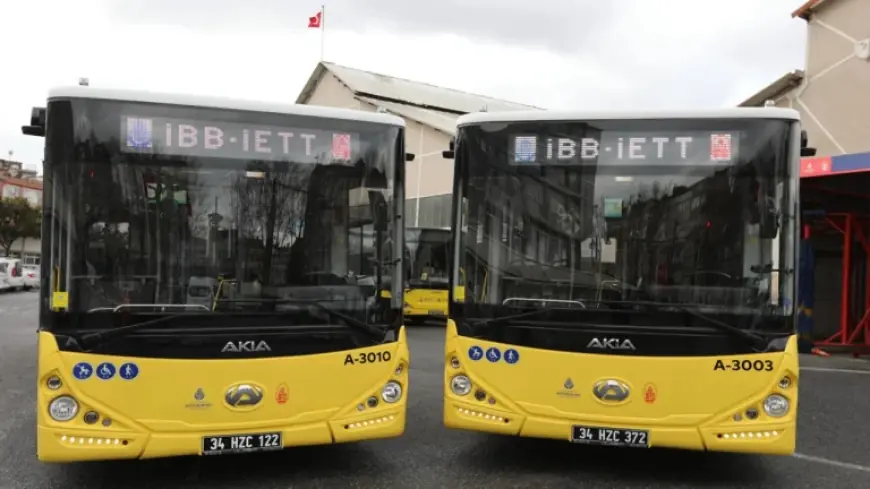
The Champions League fixture galatasaray – liverpool has triggered a substantial transport response in Istanbul: İETT will add 60 additional bus runs and 80 extra metrobüs departures to the existing schedule to ease fan movement to Ali Sami Yen Spor Kompleksi Rams Park for the match starting at 8: 45 pm ET. The expanded plan, beginning from 6: 45 pm ET in the stadium area, is explicitly aimed at faster and safer arrival for supporters.
Background & context
The match on 10 March 2026 pits a home Galatasaray side against Liverpool in a last-16 Champions League encounter that has drawn intense public interest. Public transport authorities expanded services in anticipation of higher demand; İETT noted that scheduled operations already included 458 bus runs in the area and that the metrobüs line would receive 80 additional departures. The host club sold its tickets for the fixture and reported the revenue generated in GS Store outlets as contributing roughly 3 million euros to the club’s match-day income, underscoring both high attendance and commercial impact.
Galatasaray – Liverpool: logistics, timing and immediate implications
The timing of the İETT additions is tightly synchronized with match operations. Extra bus capacity will be in place from 6: 45 pm ET to match the surge in passenger demand ahead of the 8: 45 pm ET kick-off. İETT stated that the purpose of the measure is to enable fans to reach the stadium more quickly and safely. That emphasis on safety and speed reflects the dual operational challenge of moving concentrated crowds while minimizing disruption to the surrounding transport network.
Operationally, the decision to insert 60 bus runs alongside 80 metrobüs departures addresses two corridor types: radial bus routes serving neighborhoods with dispersed demand, and high-capacity metrobüs corridors that concentrate flows toward the stadium. The specific numbers—60 additional buses and 80 metrobüs departures—signal an expectation of peak passenger loads that justify temporary scaling of public services rather than ad hoc measures at the last minute.
Beyond the immediate transport mechanics, the fixture carries competitive and financial weight. Group standings and recent form figures made public show Galatasaray ranked 20th in its group phase context with three wins in eight matches, while Liverpool sat third with six wins in eight. For Galatasaray, the match represents both sporting opportunity and a revenue moment: combined income from group-stage and play-off progress has pushed the club’s UEFA-derived receipts above a stated 50 million euro threshold for the season, and progression beyond the round would trigger further performance-related payments identified in UEFA’s financial documentation for the relevant season.
Expert perspectives and wider consequences
Operational commentary from İETT emphasizes crowd management and supporter safety as the principal objectives of the expanded timetable. İETT described the plan as a measure to ensure fans reach the stadium “more quickly and safely, ” and reiterated well-wishes for the club as Turkey’s representative in the competition. From the competition governance side, UEFA’s released financial material for the relevant season shows how deep runs translate into material payouts; public figures in the released documentation cite performance-related distributions and season aggregates that have already placed Galatasaray among the leading domestic beneficiaries of UEFA distributions.
These combined transport and financial signals matter for municipal and club planning. For municipal operators, the match is a discrete stress test of surge capacity and incident management; for the club, sold tickets and ancillary retail receipts at official stores demonstrate immediate commercial returns tied to high-profile fixtures. The coexistence of logistical pressure and fiscal opportunity explains why both the transport authority and the club have emphasized readiness and orderly execution.
The regional ripple extends beyond a single evening: matches of this profile test coordination among urban transit agencies, stadium operators and club commercial units, and the outcomes become reference points for future scheduling and contingency planning. The publicized additions by İETT create an operational precedent for scaled responses to large fixture events in the city.
As fans converge and the match unfolds, attention will be on whether the added 60 bus runs and 80 metrobüs departures deliver the promised speed and safety, and on how the sporting result affects Galatasaray’s financial trajectory. How will crowd flows and commercial returns after galatasaray – liverpool reshape local transport planning and club budgeting for the remainder of the campaign?