Constitution Hill’s walk-on part exposes an uneasy truth at Cheltenham

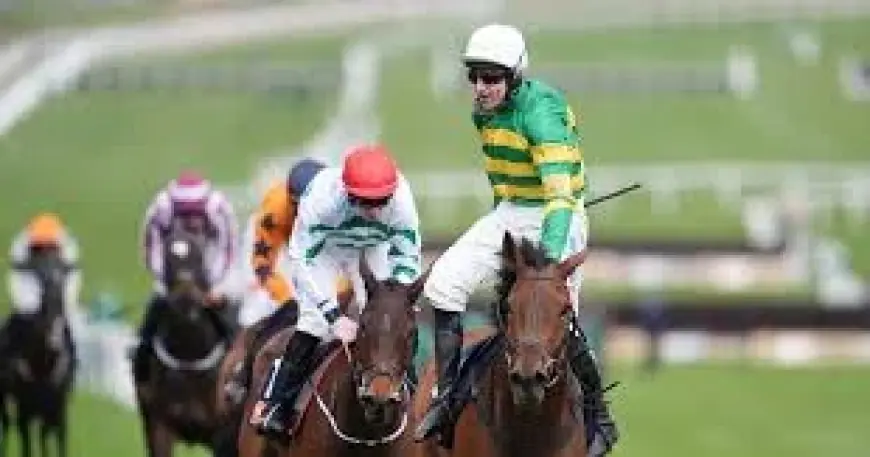
Constitution Hill was paraded before the Champion Hurdle at Cheltenham but did not take part in the race after stewards and trainers judged him too dangerous to risk, a decision framed by those involved as a reflection of an inability to reliably clear hurdles without falling. The choice to withdraw one of the sport’s most celebrated hurdlers has reframed questions about competition, safety and the festival’s broader direction.
What is not being told?
Verified facts: Constitution Hill was presented to the crowd before the race and withdrawn on safety grounds because of a recurring inability to negotiate obstacles without falling. Festival attendance has declined from over 280, 000 at its recent peak to under 219, 000 last year, a fall described in the material as a 22 percent drop. Television audiences and betting figures remain encouraging even as on-course numbers dip.
Analysis (clearly labeled): The decision to parade rather than run Constitution Hill turns a competitive moment into a ceremonial one. That shift raises a central question — if the perceived risk of falling is sufficient to remove a leading contender from the championship line-up, what does that imply about how risk is judged across the remainder of the card and season? The withdrawal places the sport’s essential challenge — the balance of speed, jumping and risk — in the spotlight, and it reframes the festival as not only a test of ability but a test of institutional tolerance for uncertainty.
Constitution Hill and the festival in numbers: verified facts
Verified facts: The New Lion is matched against a trio of mares — Lossiemouth, Brighterdaysahead and Golden Ace — creating a notable headline clash in the Champion Hurdle division. Willie Mullins, described as a champion trainer, has recorded 113 festival wins and achieved a near 40 percent strike rate in the fortnight before the meeting referenced in the material. Mullins saddled 10 festival winners in consecutive years prior to this season, a sequence that shapes expectations for Irish-trained contenders.
Analysis (clearly labeled): Those figures illuminate why the withdrawal of Constitution Hill matters beyond a single race. A festival whose on-course attendance has fallen substantially needs marquee competition to sustain the live experience. At the same time, the dominance of a trainer who can time form so precisely increases pressure on organisers and competitors to present a festival that balances spectacle with competitor welfare. The parade of Constitution Hill is both a symptom and a catalyst: it underscores concerns about risk while providing a poignant moment that may blunt immediate spectator disappointment but does little to resolve underlying tensions.
Who benefits and what must change?
Verified facts: The New Lion’s prospects are framed as improved by Constitution Hill’s absence from the race. The mares Lossiemouth, Brighterdaysahead and Golden Ace remain central contenders in the same division, with Lossiemouth set to race in first-time cheekpieces in an attempt to sharpen performance over the shorter trip noted in the material.
Analysis (clearly labeled): Short-term beneficiaries include other entries such as The New Lion and the named mares, whose chances are enhanced by the withdrawal of a leading rival. Institutionally, the festival retains television audiences and betting interest that cushion the hit to on-course attendance. Yet the episode underlines a strategic challenge: if avoiding falls becomes the dominant determinant of whether top horses run, organisers face a reputational dilemma. They must demonstrate how rules, race design and safety measures reconcile the sport’s competitive essence with a heightened aversion to visible risk.
Accountability and next steps (clearly labeled as informed recommendation): The parade of Constitution Hill should prompt transparent disclosure of the factors that led to withdrawal, a review of how jump risk is assessed at festival-level races, and a clear statement from racing authorities and trainers about how competitor welfare influences entry and withdrawal decisions. Any reform should be grounded in the same empirical approach that trainers such as Willie Mullins use when planning festival campaigns — a combination of recent form, course suitability and risk mitigation.
Final assessment (verified fact + analysis): The public moment of Constitution Hill’s walk-on part at Cheltenham is factual and indisputable; its implications for competition, spectator experience and institutional decision-making are immediate and unresolved. The horse’s absence turned a championship day into a wider conversation about what the sport values when the stakes and the risks are highest.