Hms Dragon row: why has it taken so long to get a UK destroyer to Cyprus?

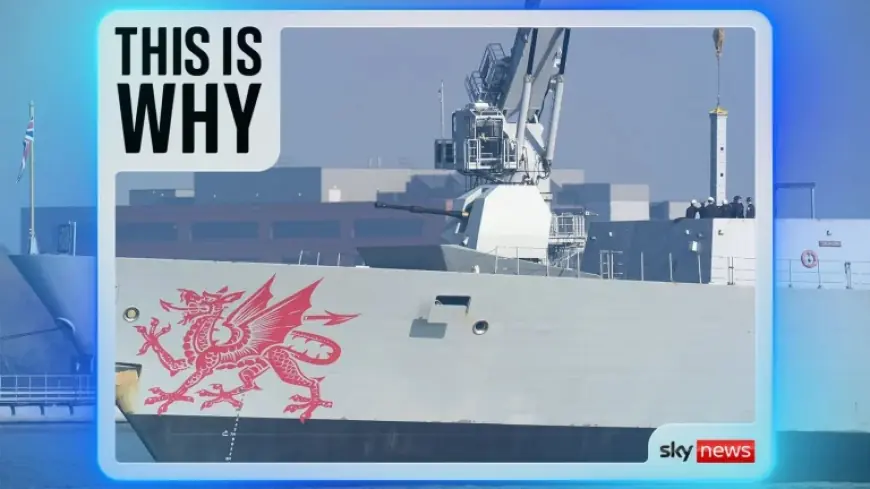
hms dragon has become the centre of a row after the government said a week ago the Portsmouth-based Type 45 destroyer would be deployed but the vessel remained at dock, raising questions about the pace of its preparation to protect a UK military base in Cyprus from attacks by Iran. Ministers and naval officials describe intensive work to undock, re-arm and reconfigure the ship for the mission. Opposition and defence commentators say the delay highlights pressures on fleet readiness.
Hms Dragon: what officials say on the fast turnaround
Defence secretary John Healey told the House of Commons that navy crews were working “tirelessly, 22 hours a day” and that the ship would be out to sail within “a couple of days. ” Ministry of Defence personnel described efforts to complete scheduled repairs, refloat the destroyer from dry dock and ready it for a different type of mission as running at an unusually fast pace.
Those preparing the ship have had to undock the destroyer, tow it out of dry dock with tugboats while observing tidal patterns, and move it to an upper harbour ammunitioning facility to load missiles, ammunition and supplies. The vessel then underwent a process described in service terms as “re-rolling”—modifying equipment and weaponry for the task at hand—together with welding and installation work needed to get on-board systems operational.
The Sea Viper air-defence system was part of the workstream placed on the checklist for the mission. Officials characterise the near-completion of a process that would normally take six weeks as an intense, compressed effort carried out over a matter of days.
Why the delay matters: resources and readiness
Matthew Heaslip, senior lecturer in naval history at the University of Portsmouth, said the situation reflected strains on available assets and maintenance cycles. Heaslip pointed out that other destroyers have been tied up in training and maintenance and that having some ships in deep maintenance leaves a smaller pool to meet both domestic defence needs and overseas commitments.
Questions have been raised about whether an alternative vessel might have been available sooner; at one point it was rumoured that another destroyer would be sent instead. Analysts and former service personnel have highlighted that placing a Type 45 into short-notice deployment after dry-dock work is a complex logistical task, not simply a matter of casting off.
Departure, transit and what to expect next
There are conflicting accounts in the coverage: while one stream described the ship still at dock and likely to take another five days or more to reach its destination, other observers at the naval base described the vessel leaving Portsmouth and heading into The Solent en route to the Eastern Mediterranean. Estimates put transit time to the theatre at multiple days once the destroyer is under way.
Defence analyst Tom Sharpe, who spent 27 years in the Royal Navy, has been asked about the ship’s capabilities and the timing of the deployment. Uncertainties remain over exactly when the ship will arrive in the eastern Mediterranean and how quickly it will be fully mission-capable on station; naval officials continue work to complete final fittings and ammunitioning.
Expect officials to publish an updated operational timeline as the refit and re-rolling work completes and the vessel proceeds toward the region. The Hms Dragon deployment will be watched closely as a measure of how rapidly complex warship preparations can be accelerated while maintaining systems readiness, and whether short-term fixes translate into long-term operational availability.