Marlborough Visit Signals a Potential Turning Point: 5 Takeaways from the Royal School Tour

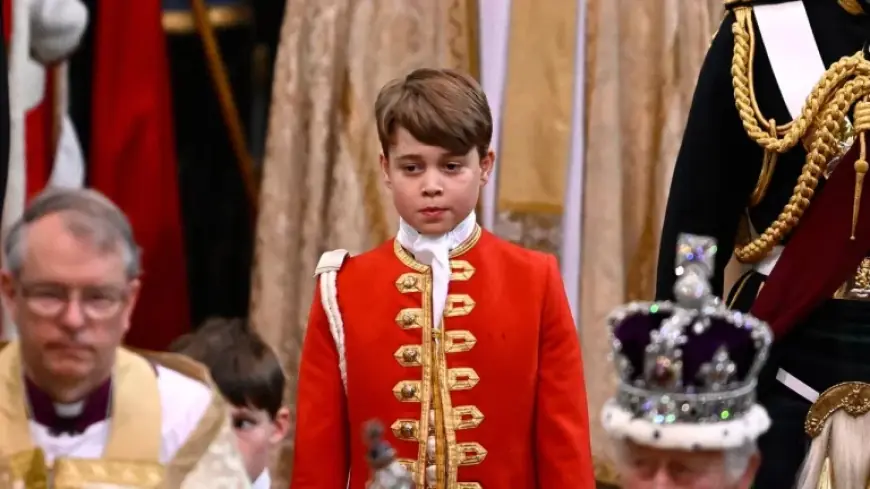
In a development that has sharpened speculation about the next chapter in the Wales children’s education, Prince George was seen touring marlborough College with the Prince and Princess of Wales. The sighting comes as George prepares to begin secondary school in September 2026, and the visit — described in contemporaneous accounts as involving a discreet arrival and pupils being asked indoors by a ‘highly stressed teacher’ — has raised fresh questions about whether the family will favour his mother’s alma mater over other traditional options.
Background & context: timing, current schooling and family patterns
The immediate context is straightforward: Prince George, currently described in available accounts as a 12-year-old, will transition to secondary education from September 2026. The Wales children presently attend Lambrook School, which educates pupils up to age 13, creating a natural inflection point for decision-making. The family visit to marlborough College — where the Princess of Wales once enrolled — follows earlier speculation that other historic schools might be considered; one account of the visit notes pupils were unexpectedly asked to move indoors during the same period.
Marlborough College itself figures prominently in the narrative not only for its association with the Princess but for a roster of notable alumni cited in public accounts: Princess Eugenie, the poets Siegfried Sassoon and John Betjeman, and comedian Jack Whitehall. The school’s boarding environment and family history have been invoked as elements that could influence any final choice.
Marlborough as front-runner: logistics, precedent and immediate signals
The tour has been read by some observers as a concrete signal that marlborough remains under active consideration. One source characterized marlborough as a front‑runner in earlier commentary, noting the school ‘ticks all the boxes’ for the family. Practical factors reflected in the available information include the siblings’ current age threshold at Lambrook and the family’s apparent preference, in public accounts, for the possibility of the children attending the same school together — a motif present in recollections tied to the Princess’s own experience.
Operational details from the visit have fed the narrative: a discreet arrival by car, a consolidation of pupils indoors by a ‘highly stressed teacher, ‘ and a heightened level of campus activity — choir practice and an art show on the same day — that observers have linked to the visit. These elements, as described, suggest a tightly managed engagement between the family and the school rather than a casual stroll through the grounds.
Expert perspectives and recollections tied to the school
Voices with direct links to the Princess’s formative years at the school offer texture. Joan Gall, described as Catherine’s house tutor, recalled the Princess’s early temperament on arrival: ‘When she arrived she was very quiet. ‘ That recollection has been used in contemporary accounts to illustrate how the Princess adjusted to Marlborough’s boarding environment after a difficult spell at a previous school, and it helps explain why the family might value a familiar environment for their own children.
Commentary in available material furthermore notes the appeal of siblings attending the same institution — a factor explicitly mentioned as attractive by those close to the family. That consideration intersects with the practical timeline: with George approaching the age at which Lambrook’s program concludes, any final decision would take effect at the upcoming September intake.
Broader implications and a forward-looking question
Beyond the immediate family choice, the visit highlights a wider public interest in how high-profile families balance tradition, logistics and sibling dynamics when selecting secondary education. The marlborough visit adds weight to the argument that personal history and institutional fit can outweigh geographical convenience or precedent.
With Prince George set to begin secondary school in September 2026, will the family opt for a reunion with his mother’s alma mater or choose a different historic route that aligns with other priorities? The decision will carry symbolic and practical implications for both the children and the schools involved, and the recent tour makes clear that the question is no longer hypothetical.