Joshua Jackson Breaks Silence on James Van Der Beek’s Death

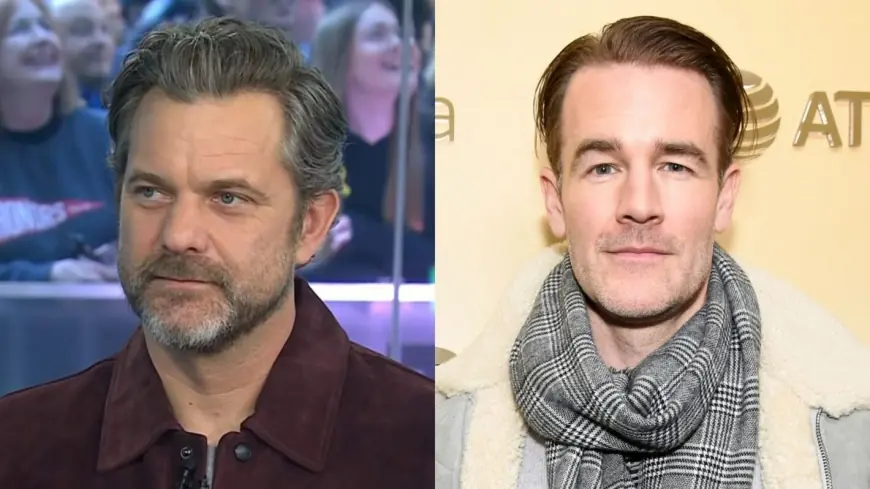
Joshua Jackson spoke publicly for the first time Tuesday about the death of his former co-star James Van Der Beek, turning a promotional appearance into an emotional reflection on grief, fatherhood and the long bond forged by Dawson’s Creek. The Joshua Jackson interview aired the morning of March 10, and his remarks quickly became the day’s clearest entertainment headline tied to the actor.
A Morning TV Appearance Became a Tribute
Jackson appeared on national television on Tuesday, March 10, where he was asked about Van Der Beek’s death nearly a month after the actor died at age 48 following a battle with colorectal cancer. Jackson said he is still processing the loss, describing the tragedy as especially painful when viewed through the lens of family and parenthood.
His comments landed with unusual weight because they were not framed as a formal memorial statement released through a publicist or social media. Instead, they came in conversation, with Jackson speaking carefully and personally about someone who had shared one of the most defining chapters of his career.
That gave the moment a more immediate impact. For many viewers, it was the first time one of Van Der Beek’s closest on-screen contemporaries had spoken at length in public about the loss.
Why the Loss Hit Jackson Differently Now
Jackson’s remarks suggested that age and life experience have changed how he processes tragedy. He reflected on the scale of the loss for Van Der Beek’s family and made clear that the death resonates differently now than it might have years earlier.
That detail mattered because it moved the conversation beyond nostalgia for a late-1990s teen drama. Jackson was not simply revisiting an old co-star relationship. He was describing how the death of a peer, and a fellow father, has become something heavier and more personal with time.
The tone was measured rather than theatrical. He did not try to turn the appearance into a grand statement, and that restraint made the tribute feel more credible. In a celebrity-news cycle often dominated by polished messaging, the moment stood out for sounding unforced.
Their Shared History Still Shapes the Story
Jackson and Van Der Beek were linked for years through Dawson’s Creek, which ran from 1998 to 2003 and helped define a generation of network television drama. The two actors played central roles in a series that became a cultural marker far beyond its original run.
Even after the show ended, public interest in their relationship never entirely faded. Reunions, retrospectives and anniversary coverage repeatedly returned to the chemistry among the cast and the way the series shaped their careers.
That history is part of why Jackson’s comments drew such broad attention on Tuesday. His words carried not only personal significance but also the emotional memory attached to a show that remains deeply familiar to audiences in the United States and abroad.
The Interview Also Tied Into a Cancer Awareness Push
Tuesday’s appearance also connected to Jackson’s support for a campaign encouraging cancer screening, giving the segment a wider public-health dimension. That context sharpened the emotional force of his comments because the subject was not discussed in isolation. It was tied to a broader message about prevention, awareness and the consequences of delayed detection.
The overlap made the interview more than a tribute. It also placed Van Der Beek’s death inside a larger conversation that extends beyond Hollywood. For viewers, the combination of grief and advocacy turned the segment into something more consequential than a standard entertainment sit-down.
That framing is likely to keep the interview in circulation well beyond Tuesday’s news cycle, especially as clips and excerpts continue to spread across television and digital platforms.
Why This Became the Day’s Main Joshua Jackson Story
Jackson has remained busy professionally in recent years, but none of his current screen work generated the same immediate reaction on March 10 as his comments about Van Der Beek. The strongest news angle was not casting, production or red-carpet coverage. It was his first direct public response to the death of someone audiences strongly associate with his career.
That matters in news terms because it explains why the story moved quickly. It offered a fresh development, a clear emotional hook and a connection to a widely recognized television legacy. It also arrived at a moment when public mourning around Van Der Beek is still recent.
For now, that makes Tuesday’s interview the defining Joshua Jackson update of the day: a brief but affecting public statement that turned remembrance into the story itself.