Ted Carter Resigns as Ohio State President After Disclosure of ‘Inappropriate Relationship’

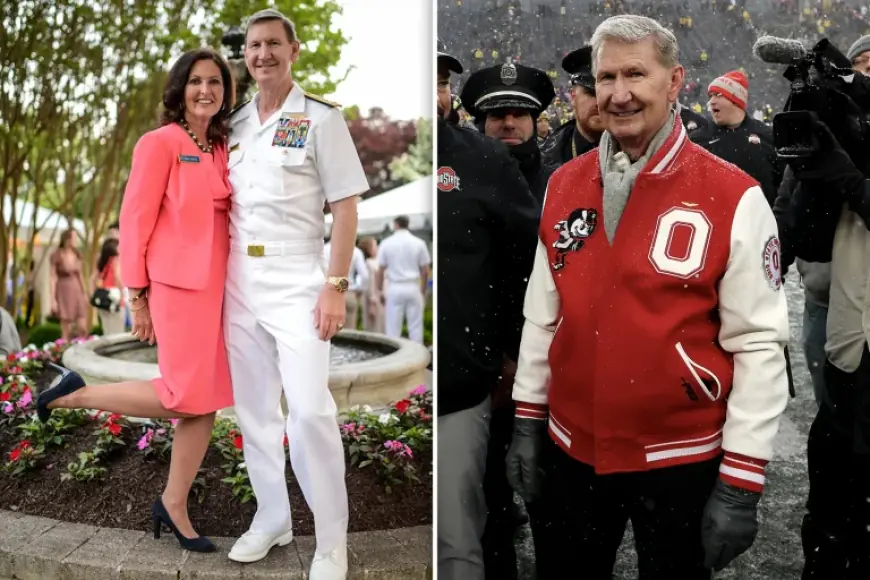
ted Walter “Ted” Carter Jr. resigned as president of the Ohio State University on Monday after disclosing an “inappropriate relationship” to the university board that involved requests for institutional support. The board of trustees accepted his resignation and released a response from its chair, John Zeiger, saying the matter was surprising and taken seriously. Carter, who led the university since 2024, acknowledged a mistake in allowing inappropriate access to university leadership.
Expanding details: what the board and president said
The board of trustees wrote that Carter “had an inappropriate relationship with someone seeking public resources to support her personal business, ” and that the trustees had accepted his resignation. John Zeiger, chairperson of the university’s board of trustees, said the board appreciated Carter’s contributions over his tenure and that it respected his decision while emphasizing the need for an orderly leadership transition. In his resignation note, Carter said he “made a mistake in allowing inappropriate access to Ohio State leadership. ” The board described itself as “surprised and disappointed” and signaled concern about potential impacts on the university.
Ted’s Resignation: immediate reactions
Walter “Ted” Carter Jr., identified in university statements as the institution’s 17th president, led Ohio State beginning in 2024 after serving as president of the University of Nebraska from 2020 to 2023. Trustees had previously praised Carter’s leadership; their approval led to a 4. 5% merit raise in August that raised his base salary to $1. 2 million, plus a $400, 000 bonus, bringing his total compensation discussions into public view. Carter said he and his wife leave with gratitude and appreciation for the community he served. John Zeiger wrote that the board respects Carter’s decision and appreciates his cooperation in supporting an orderly transition.
Quick context
The resignation arrives as Ohio State continues to address other institutional controversies: the university has faced calls to remove the name of a prominent alumnus from facilities following testimony tied to that alumnus’s past relationship with another individual, and the university has reached settlement agreements totaling more than $60 million with more than 100 survivors in separate litigation related to a former team physician. The university has said that those settlements did not involve taxpayer, tuition or restricted donor funds.
What’s next
The board will lead an orderly leadership transition while evaluating any institutional ramifications of the disclosed relationship and any requests for university support. Trustees signaled they will take the situation seriously as they move to name interim leadership and consider next steps for a permanent successor. Observers within the university community can expect the board to outline a timeline for transition and any internal reviews; the university’s stated priorities will be continuity of operations and safeguarding institutional resources as the process unfolds. The university and its board remain the primary sources for updates as the transition proceeds and as the institution addresses lingering reputational and legal challenges tied to past controversies and ongoing litigation involving university-affiliated matters; stakeholders will watch closely how the board manages that work and whether further action is taken in response to ted’s disclosure.