Court to Hear Trump Antisemitism Inquiry Over Penn’s Jewish List Demand

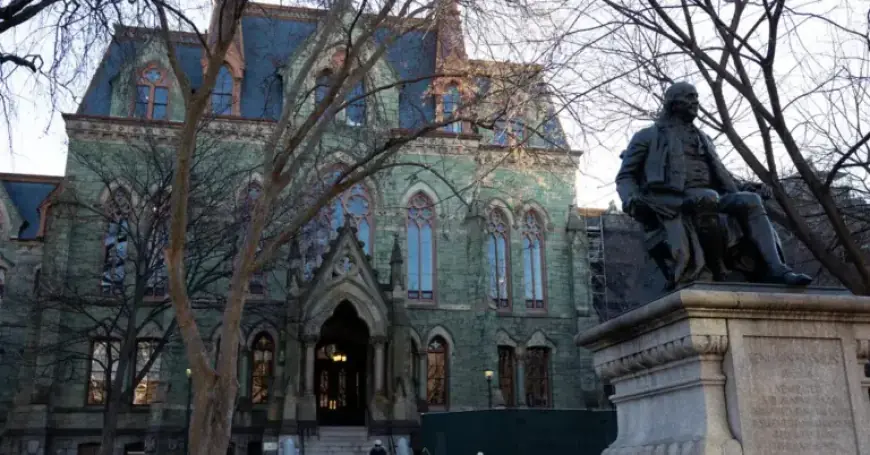
Concerns are mounting at the University of Pennsylvania (Penn) as a federal judge in Philadelphia prepares to hear a case regarding alleged antisemitism linked to the Trump administration’s requests. Investigators have sought to obtain the names of Jewish individuals affiliated with the university, prompting fears among faculty and students about the implications of such demands.
Court Hearing Over Trump Administration’s Antisemitism Inquiry
The inquiry stems from a broader investigation into harassment and antisemitism occurring within campus environments. This includes incidents related to protests over the ongoing conflict in Gaza. The Equal Employment Opportunity Commission (E.E.O.C.) claims its actions are routine; however, many at Penn perceive the requests as invasive and reminiscent of historical injustices.
Background of the Inquiry
Jacob Naimark, co-president of Penn’s Jewish Law Students Association, voiced his discomfort over the situation. He highlighted the disturbing nature of governments compiling lists of Jewish individuals, referencing historical precedents that led to grave consequences. The Trump administration’s strong stance against elite universities, which it views as ideological adversaries, has exacerbated the situation.
Demands and Reactions
In 2023, the E.E.O.C. launched its investigation, led by commissioner Andrea R. Lucas, a Penn alumna. Lucas alleges that the university has engaged in a pattern of harassment against Jewish individuals. The commission’s requests have included:
- Records of complaints about antisemitism.
- Lists of all Jewish-related organizations and their members.
- Documentation related to Penn’s Jewish Studies Program since November 2022.
Penn has refused to comply, arguing that the demands are unconstitutional and that disclosing such information would jeopardize the safety of its Jewish community.
Implications of the Case
This case is pivotal in determining the extent to which government entities can investigate universities concerning claims of antisemitism. A decision in favor of the E.E.O.C. may empower similar inquiries at other institutions. Critics argue that such actions threaten First Amendment rights and the integrity of academic environments.
The ongoing legal battle has sparked significant discussions within the Penn community. Faculty members, such as Lorena Grundy from the American Association of University Professors, express apprehensions that sharing this data could lead to adverse outcomes. “There shouldn’t be a list!” she emphasized, reflecting a united stance across various campus groups against the government’s tactics.
Conclusion
The upcoming court proceedings illustrate the tension between governmental oversight and the safeguarding of individual rights within academic settings. As the E.E.O.C. continues its inquiry, the implications for higher education institutions across the nation remain to be seen, raising critical conversations about how best to address and combat antisemitism without compromising civil liberties.