Dolphins Face $99.2M Cap Hit with Tua Tagovailoa Decision

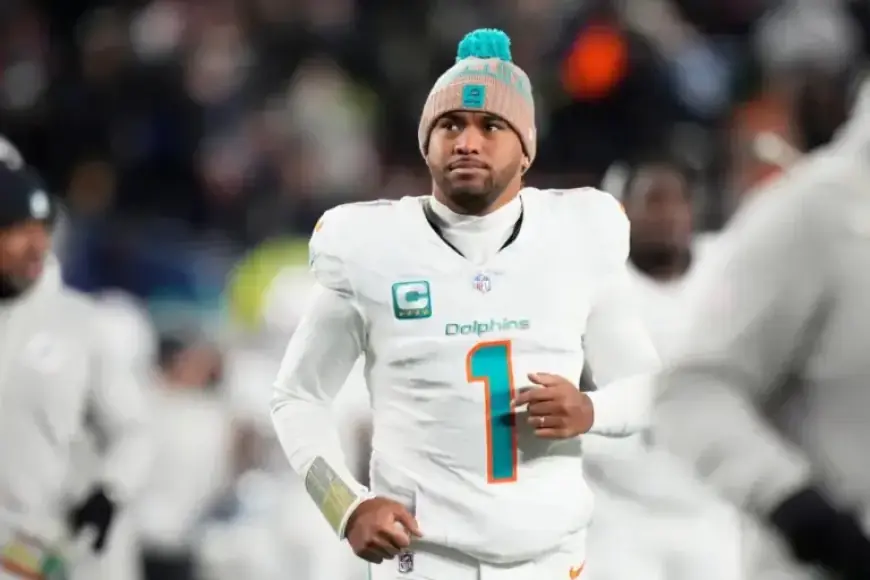
The Miami Dolphins have decided to part ways with quarterback Tua Tagovailoa, creating a significant financial impact on their salary cap. The team announced this decision on Monday, shortly after Tagovailoa signed a $212 million extension two years ago. This move will leave a remarkable dead money charge of $99.2 million on the Dolphins’ books for the next two seasons.
Tua Tagovailoa’s Departure and Financial Consequences
Tagovailoa’s contract can be split over the 2026 and 2027 seasons if the Dolphins designate him as a post-June 1 cut. Regardless of the designation, the dead money will remain a significant burden on the team’s finances. This charge exceeds the $85 million cap hit previously recorded by the Denver Broncos when they cut Russell Wilson.
- Type of Charge: Dead money represents the salary cap allocation for players no longer on the roster.
- Reasons for Charge: This typically arises from signing bonuses that have been prorated over the years.
- Guaranteed Salary: Tagovailoa’s contract includes $54 million in guaranteed salary for 2026, adding to the Dolphins’ liability.
Despite the large dead money amount, Tagovailoa has reportedly reached an agreement with the Atlanta Falcons on a one-year deal. This contract is expected to provide him with a salary slightly above the veteran minimum of $1 million, which will also be credited to Miami’s cap.
Comparative Analysis of Dead Money Charges in the NFL
Historically, NFL teams have increasingly accepted large dead money charges. This trend is largely due to the rising salary cap, making such financial decisions less onerous. Here are notable dead money charges from recent player cuts:
| Player | Team | Dead Money Charge |
|---|---|---|
| Tua Tagovailoa | Miami Dolphins | $99.2 million |
| Russell Wilson | Denver Broncos | $85 million |
| Kyler Murray | Arizona Cardinals | $54.7 million |
| Matt Ryan | Atlanta Falcons | $40.5 million |
| Daniel Jones | New York Giants | $33.3 million |
The Dolphins’ decision to move on from Tagovailoa reflects both a fresh direction for the franchise and the financial realities of modern NFL contracts. The ramifications of this move will echo for the next few seasons, impacting their roster decisions and overall financial strategy moving forward.