Sag-aftra at the edge of the calendar: the quiet week that could decide what comes next

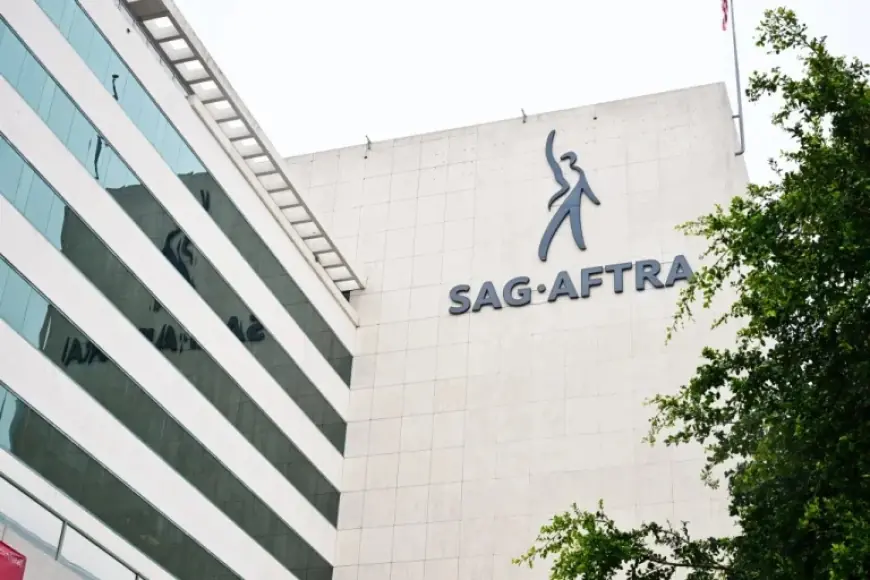
At 9: 00 am ET, the workday in Hollywood can look deceptively ordinary: calls made, schedules checked, people waiting for the next instruction that turns uncertainty into a plan. In that atmosphere of paused momentum, sag-aftra and the Alliance of Motion Picture and Television Producers agreed to extend negotiations into next week—the week of March 9—stretching a set of talks that now runs straight toward a hard calendar pinch point.
What does the extension mean for Sag-aftra and the AMPTP talks?
Both sides announced they will keep negotiating into the week of March 9, described as the final extension for the current block of talks. The timing matters because the AMPTP is scheduled to begin negotiations with the Writers Guild of America on March 16, with the studios’ planned bargaining sequence creating a narrow runway for any deal that needs to be reached before the next set of negotiations begins.
If a new agreement is not reached next week, SAG-AFTRA would have to wait to resume talks with the AMPTP in June, after the studios have gone through scheduled contract negotiations with the WGA and the Directors Guild of America. SAG-AFTRA’s current contract expired on June 30, adding weight to the pressure inside this compressed window.
Why are these negotiations happening under silence, and what is known anyway?
AMPTP and SAG-AFTRA have adhered to a media blackout they imposed from the start of negotiations. The public posture is quiet by design, and the most visible signal of movement is procedural: the decision to extend.
Even within the boundaries of that silence, the picture is not flat. The two sides have made progress, which helps explain why they chose to continue rather than pause talks. At the same time, there are still wide chasms on a few key issues, and the next steps are practical rather than theatrical: the sides may be exchanging proposals that could help bridge outstanding gaps and determine whether next week leads to a deal.
That mix—progress paired with unresolved divides—lands differently depending on where a person sits in the industry. In the absence of official detail, the vacuum fills with raw opinion and lived anxiety. Some voices frame unions as a driver of industry pain, arguing that repeated disruption accelerates production shifts and squeezes those who rely on steady hours. Other voices push back just as sharply, placing blame on executive decision-making and arguing that the fight is not only about pay but also working conditions, legal protections, and artificial intelligence.
How do the WGA’s March 16 agenda and benefit pressures sharpen the moment?
The calendar does not only affect actors. The WGA is approaching its own scheduled bargaining start on March 16, after members voted to approve an agenda for negotiations with the studios. With 97. 4% voting in favor, the WGA approved a “pattern of demands” focused on health care, compensation, and artificial intelligence, among other issues.
Behind those headline topics is a specific institutional concern the WGA has shared with members: its health fund is facing a dire financial situation tied to industry contraction and rising health costs. The union said the fund has suffered eight-figure losses for the past four years, totaling $205 million, and warned it could run out of money in the next three years if nothing changes.
The WGA agenda calls for employers to contribute more to pension and health funds and to increase the compensation caps used to assess contributions. It also raises the prospect of plan design changes intended to save money while preserving access to high-quality providers—language that signals how benefit stability can become as urgent as any wage line item. The AMPTP, for its part, published a report in December arguing that Hollywood workers enjoy very generous benefits compared to a typical employer-based plan.
These pressures do not merge the unions’ negotiations into one bargaining table, but they stack the stakes in the same corridor. As the studios prepare to turn toward WGA talks and later DGA talks, the rhythm of who gets heard—and when—becomes part of the story. For sag-aftra, next week is not just about the content of proposals; it is also about whether an agreement is reached before the schedule pushes the union to wait until June.
What happens next, and what is the human reality inside a media blackout?
The immediate next step is straightforward: negotiations continue into the week of March 9, with proposal exchanges that could narrow or confirm the gaps. The longer view is less tidy. If a deal is reached, the extension will read as a sign that continued dialogue paid off. If it is not reached, the calendar sends SAG-AFTRA to the back of the line until June, after the AMPTP completes the scheduled sequence of negotiations with the WGA and the DGA.
Meanwhile, the blackout that keeps bargaining specifics private can feel like a locked door to people whose livelihoods depend on outcomes they cannot see. In that space, the industry’s debates surface in plain language: frustration about benefits, anger about the direction of production, fear that behind-the-scenes workers get squeezed, and insistence that protections around working conditions and artificial intelligence are not abstract.
By the time another 9: 00 am ET rolls around next week, the scene may look the same—phones, calendars, people waiting—but it will carry different meaning. The extension has turned the week of March 9 into a hinge point. Whether it swings toward a deal or toward a June wait, it is now a week in which the future pace of work is being negotiated in a room that stays quiet on purpose—one more reason the industry is listening closely for the only sound the public is guaranteed to hear: what happens next with sag-aftra.