Aramco Warns of Oil Market Crisis if Hormuz Strait Stays Blocked

Saudi Arabia’s Aramco, the leading global oil exporter, has raised alarms about a potential oil market crisis. This warning comes amid ongoing disruptions in the Strait of Hormuz due to tensions involving Iran.
Concerns Over Hormuz Disruptions
During a recent earnings call, Aramco CEO Amin Nasser described the situation as the “biggest crisis” the oil and gas industry has confronted. He highlighted that if the Iran conflict continues to hinder shipping operations in the Strait, the ramifications for global oil markets could be catastrophic.
Impact on Oil Shipments
Currently, shipping lanes through the Strait of Hormuz are largely blocked. Approximately 20% of the world’s oil traditionally passes through this critical waterway. The Iranian Revolutionary Guards have threatened to halt oil exports if U.S. and Israeli military actions persist.
Broader Economic Fallout
Nasser emphasized that the crisis could extend beyond oil. The disruptions threaten various sectors, including:
- Shipping
- Insurance
- Aviation
- Agriculture
- Automotive
Moreover, the global crude benchmark price has experienced volatility, soaring to nearly $120 per barrel before stabilizing around $92, influenced by geopolitical developments.
Current Oil Production and Inventories
Amid these developments, Aramco is facing operational challenges in the Gulf. Presently, the company is unable to export oil due to the blockade on shipping. However, it continues to fulfill the majority of its commitments to customers and is utilizing the East-West pipeline to transport crude to the Red Sea port of Yanbu.
The pipeline is expected to reach its full capacity of 7 million barrels per day shortly, as customers are rerouting their supply chains. Nasser noted that global oil inventories are at a five-year low, indicating that ongoing disruptions could accelerate drawdowns.
Resilience in the Face of Adversity
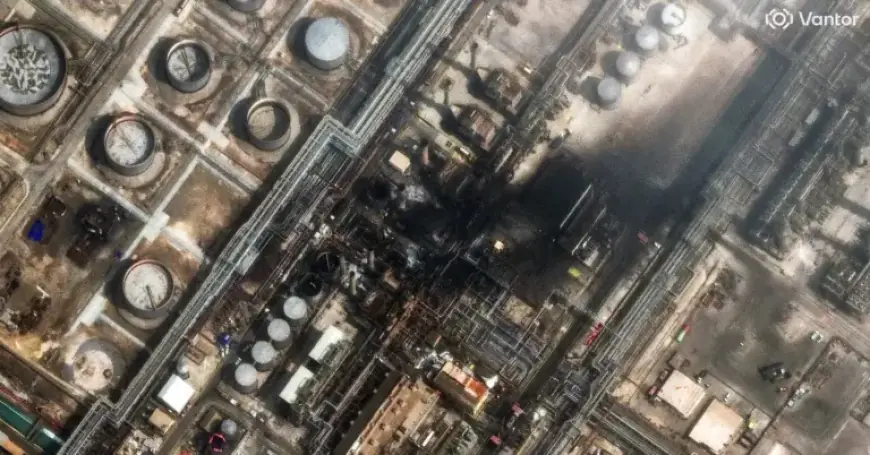
Even with these challenges, Aramco is directing resources to meet domestic demand while managing operational issues at its Ras Tanura refinery, which recently experienced a small fire. The refinery is in the process of restarting operations after the incident.
In light of lower crude prices impacting profits, Aramco also announced a buyback plan worth up to $3 billion. The situation remains fluid, as the company navigates its role in the global energy sector amidst unprecedented disruptions.