Rfa Lyme Bay reactivated as precautionary deployment to Eastern Mediterranean

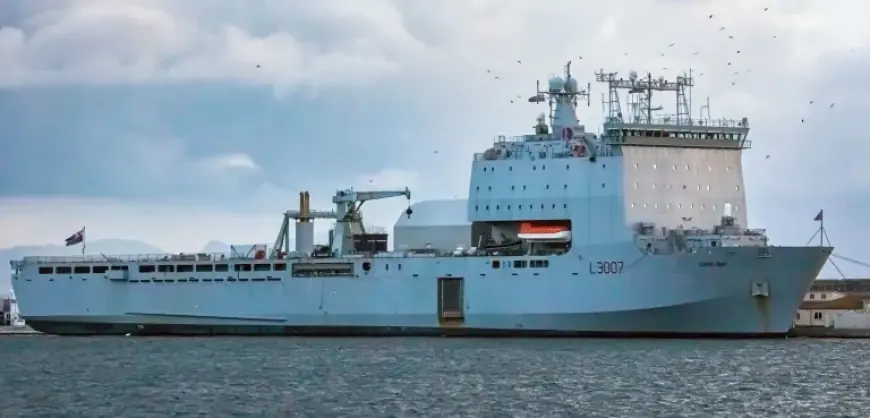
The Royal Navy is preparing rfa lyme bay to sail from Gibraltar if required, a move framed as precautionary as tensions in the Eastern Mediterranean increase. The ship was reactivated last week after a period alongside in Gibraltar and is being fitted out with medical personnel, supplies, a contingent of Royal Marines and a helicopter in readiness for a range of potential roles.
What can Rfa Lyme Bay do if deployed?
Rfa Lyme Bay offers several distinct capabilities that make her useful for short-term crisis tasks. She has accommodation below the vehicle deck for around 350 troops, with the possibility of increasing capacity to about 500 using camp beds on the vehicle deck and other compartments. Bay-class auxiliaries lack a permanent hangar but use a fabric Rubb deck shelter that can house a helicopter, small boats or a casualty reception area.
- Medical facilities: a Role 2 medical facility with a 12-bed ward, an operating theatre, dental surgery, X-ray facilities and a medical laboratory.
- Embarked force and air: medical personnel and supplies have been flown into Gibraltar to embark; a contingent of Royal Marines and a helicopter (most likely a Merlin Mk 4) are being embarked.
- Mission options: evacuation of civilians, use as a refuelling base for helicopters, deployment platform for special forces or other Non-combatant Evacuation Operations (NEO).
What happens next in the Eastern Mediterranean?
The ship had completed a three-week maintenance period at GibDock in December and had been inactive alongside in Gibraltar while retaining some crew; she had not been expected to return to operations until the start of the new financial year in April. Her reactivation was taken instead, a decision that highlights tightness in the MoD’s RDEL budget as one motivating factor for the earlier alongside status.
With the recent decommissioning of RFA Argus and the LPDs, Lyme Bay has become the next best option for evacuation and medical tasks and is the only naval vessel the UK currently has in the Mediterranean. Preparations are described as “precautionary. ” The most likely evacuation task identified is the rescue of British nationals from Lebanon if the conflict expands, but the ship’s range of options allows for other roles as required.
There is also a visible political dimension to the deployment: France has deployed almost its entire active fleet to the region, and a more visible British naval presence has been judged necessary. HMS Dragon is heading for Cyprus and is likely to sail from Portsmouth on Wednesday, creating a complementary presence in the area.
Who should watch this deployment and why?
Policymakers and civilians with potential exposure to regional escalation should note that the reactivation is precautionary and that rfa lyme bay is being readied specifically for short-term transport, medical and support roles. The ship’s modest medical facilities and accommodation mean she can support immediate evacuation and casualty reception tasks, but she is not a long-term hospital ship replacement given recent decommissionings.
Given the limited number of suitable platforms currently available in-theatre, the Royal Navy’s decision to reactivate Lyme Bay provides a flexible, if constrained, option should evacuation or helicopter-support missions be required in the Eastern Mediterranean. Preparations will continue in Gibraltar as the situation evolves and as operational decisions are taken.