Bec Mafs 2026: Crude toast exposed a private campaign that fractured a couple

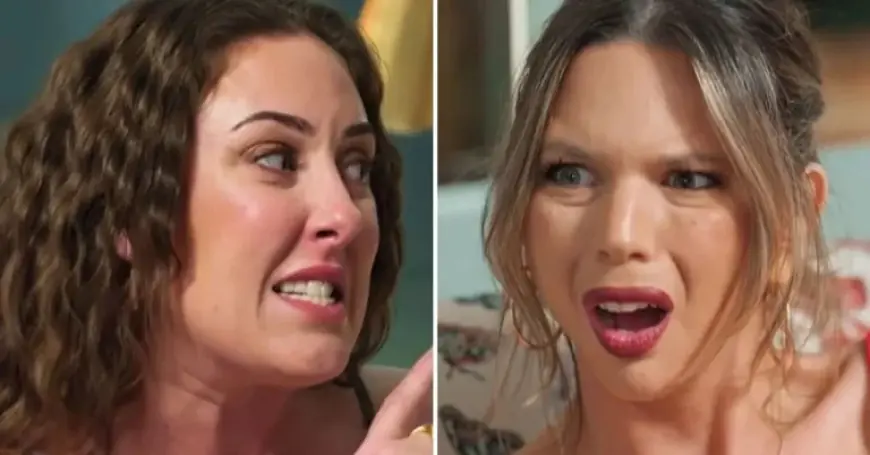
At the heart of Retreat Week drama, bec mafs 2026 centers on a crude toast by Bec — a shorthand punchline that Rachel says launched a backstage campaign and rattled her relationship with Steven.
What happened at the Retreat?
Verified facts drawn from cast accounts and on-site moments: during the Retreat’s opening night toast, Bec referenced milestones among the couples and made a joke about Rachel and Steven, saying “we’ve had finger banging. ” Rachel said that comment felt “really disrespectful” and made her feel “stupid. ” The Retreat sequence also included the customary grooms’ running race, other couples exchanging “I love you” declarations, and moments of levity such as Steven being pushed on a swing while another cast member called him “daddy. “
Rachel described a wider pattern she experienced off-camera: she said Bec was “going from room to room talking to other cast members trying to make out I was overreacting, ” a behaviour Rachel characterized as “campaign-y. ” The fallout, Rachel says, reached beyond hurt feelings — it “rattled things for Steven and I and put a bit of a wedge between us, ” she said, and it disrupted intimacy because the couple felt exposed and feared being made fun of again.
Bec Mafs 2026: The backstage fallout Rachel describes
Rachel said the issue did not end with the toast. She described returning from the Retreat emotionally depleted: “I was blindsided, ” she said, adding that she “cried a lot” and came back “a shell of a human. ” Rachel said trust was further eroded when she discovered that Bec and Steven had privately discussed putting the comment behind them without telling her. That private discussion, Rachel said, compounded the sense of betrayal because it excluded her from a resolution that directly involved her.
Other cast dynamics at the Retreat provide context for how a single remark gained intensity: Juliette and Joel demonstrated civility and affection after a previous confrontation, Alissa and David navigated a small conflict over the word “unstimulated, ” and couples celebrated and competed in well-worn Retreat traditions. Within that charged social environment, Rachel described being made to feel the object of ridicule rather than the subject of support.
Why this matters: what the facts mean and what should change
Analysis — clear separation from verified fact: the verified sequence shows how an on-camera remark can generate private conversations that have material effects on a relationship. Rachel’s account links the public joke to private campaigning and then to measurable relational harm: reduced comfort with intimacy, emotional depletion, and a sense of exclusion from decisions that affected her. Viewed together, the facts indicate a chain: crude public comment → behind-the-scenes efforts to reframe that comment → damaged trust and intimacy for the couple involved.
Accountability requires transparency. The evidence in this file supports three modest steps grounded in what was documented: acknowledgement of the comment and its impact by the person who made it; clear communication with the person affected before private resolutions are reached; and structured opportunities for couples to address public mockery that has private consequences. Those steps follow directly from Rachel’s statements about what did and did not happen during and after the Retreat.
Uncertainties and limits: the record here is confined to cast statements and on-site moments aired around Retreat Week. There is no additional verification in this file of private conversations beyond the parties’ reported recollections. The article distinguishes verified quotes and scene descriptions from interpretive analysis above.
The Retreat episode and its aftermath underscore that a single crude line can cascade into a backstage campaign with real-life consequences for intimacy and trust. For viewers and participants wanting accountability and clearer protections around on-camera jokes, the bec mafs 2026 episode is a demonstrable case study of how off-camera behaviour must be addressed openly and promptly.