The input seems to be incomplete. Could you please provide the news title you’d like rewritten?

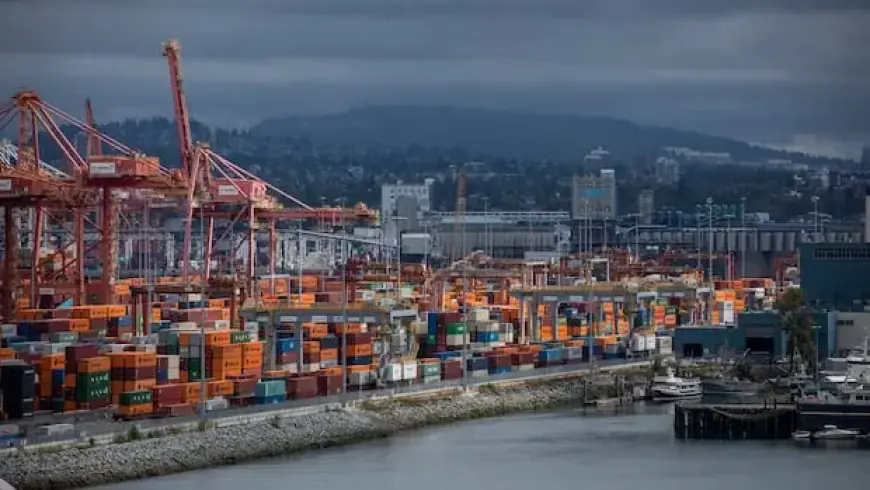
The Vancouver Fraser Port Authority reported a historic surge in cargo traffic last year as international shippers sought alternatives to the increasingly protectionist policies of the United States. In 2025, freight volumes at the Port of Vancouver rose by eight percent, reaching 170.4 million tonnes. This increase was significantly driven by record exports of grain, crude oil, and potash, alongside a higher trade volume in containers and automobiles.
Record Cargo Volumes and Exports
The bumper crop in Canada led to an unprecedented rise in bulk grain exports. Wheat shipments soared last year, with western Canadian wheat reaching 35 countries, including regions in the Indo-Pacific and the Middle East. Crude oil exports nearly doubled, benefiting from the completion of the Trans Mountain pipeline expansion, which connected Edmonton to Burnaby, B.C.
- Grain Exports: Western Canadian wheat reached 35 countries.
- Crude Oil Exports: Exports nearly doubled due to pipeline expansion.
- Container Trade: Containers surged by nine percent, with household goods imports rising significantly.
Impact of Trade Policies
Although these numbers are impressive, certain sectors experienced declines. The cruise industry saw fewer visitors, and tariffs imposed by China on forest products and canola exports affected overall growth. However, the port has adapted by enabling liquefied natural gas (LNG) cruise ships to dock for refueling. This transition has sparked discussions on emissions reduction within the marine industry.
Future Outlook and Strategic Expansion
Peter Xotta, CEO of the Port Authority, emphasized the port’s integral role in Canada’s trade strategy aimed at non-U.S. markets. As the federal government seeks to double exports to countries outside the U.S. over the next decade, the Port of Vancouver is positioned to be a vital link in that chain.
Significant infrastructure projects, such as the approved expansion of the Roberts Bank terminal in Delta, B.C., are set to enhance the port’s container capacity by almost one-third. These developments come at a critical time when Statistics Canada reported a 17 percent increase in non-U.S. exports in 2025, despite a six percent drop in exports to the U.S. due to ongoing trade tensions and tariffs.
With a strategic focus on diversifying trade partnerships and increasing container volumes, the Port of Vancouver aims to solidify its position as a leading hub for Canadian goods in the global marketplace.