Panic Buying Supermarkets: Empty Aisles and the Human Cost of a Supply ‘Perfect Storm’

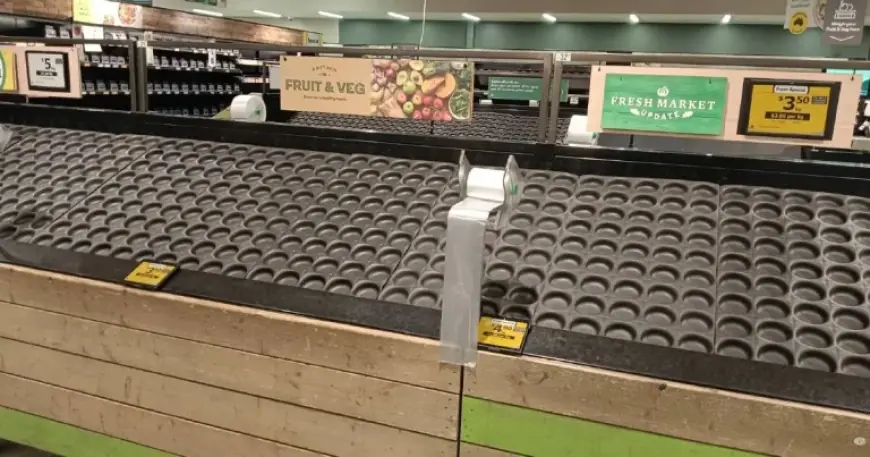
Rain-streaked shopping carts sit abandoned beneath flickering fluorescent lights, aisles once stocked with bread and UHT milk reduced to gaps and bare shelving. In towns from the Top End to inland North Queensland, panic buying supermarkets has become a visible response to deliveries stalled by flood-damaged roads and cut supply routes.
What is driving Panic Buying Supermarkets in flood-hit regions?
Local flooding and blocked transport routes have combined into what one expert calls a ‘perfect storm’ for food and fuel supplies. Parts of Katherine remain underwater, and deliveries that usually feed remote and regional stores have been interrupted. David Leaney, supply chain expert and lecturer at the Australian National University’s College of Business and Economics, said some product streams are more resilient to transport delays and will return sooner than others. “Frozen foods like vegetables and ready meals” and “canned and dry goods like pasta, canned beans, flour and sugar” are likely to be restocked quickly, he said, as are “locally produced meat and tropical fruits grown around Darwin. “
How are local leaders and supermarkets responding to panic buying supermarkets?
Local civic leaders have urged restraint as supply chains recover. Mount Isa deputy mayor Kim Coghlan warned that panic buying had made an already difficult resupply effort worse: “Just a little bit of common sense needs to be used. ” She noted there was a brief reprieve when trucks reached the city and people were able to shop. Julia Creek mayor Janene Fegan described community effort to support small local grocers: “Everyone’s just doing their bit and, when you say community, I’m especially thankful that we have our two little grocery stores in town who do a tremendous job and supporting them is very important because they’ve kept our shelves… very well stocked. ”
Supermarket operators are working with transport partners and authorities to prioritise deliveries into affected areas. A Woolworths spokesperson emphasised the scale of their logistics operation, saying the chain prepares for weather events and coordinates with local and state government to keep stores supplied. Coles regional manager Brad Stewart said efforts included preparing stores ahead of the weather event and working to get deliveries into Mount Isa “as soon as roads reopen – even if they only reopen briefly. ” In Katherine, where the main supermarket closed over a weekend, three of five containers of stock arrived by train and the store was able to reopen after fresh produce, dairy and freezer goods were delivered.
What should shoppers expect next and which items will remain hard to find?
Leaney warned that some categories will remain vulnerable. “Produce from colder climates — apples, pears, potatoes — are coming from a long way away, and they’re more likely to be interrupted by transport, ” he said. He also highlighted that packaged bread and rolls, and processed meats such as salami, may be harder to source in the short term. Human behaviour compounds the problem: “There are some items that people are more likely to panic buy, and we also tell people not to, because it always makes the problem worse, ” Leaney said, adding that essential long-shelf-life goods — including infant formula and UHT milk — are at particular risk of hoarding.
Supply interruptions are expected to ease gradually over days and into the following week, with variability between stores depending on which routes reopen. Leaney cautioned that new extreme weather events could reverse hard-won gains, while local officials and supermarket logistics teams continue to prioritise deliveries to the most affected communities.
Back under the flicker of that fluorescent light, a shopper pushes a half-full trolley past a sign asking customers to buy only what they need. The empty space on the shelf still smells faintly of paper and dust, but crates arriving by train and the steady work of local grocers and transport crews offer a small promise that the aisles will refill — if collective restraint holds. For now, panic buying supermarkets remains both a symptom and a driver of the shortages communities are racing to reverse.