Mario Day Discounts and New Retro Additions Reveal a Paid Nostalgia Gap

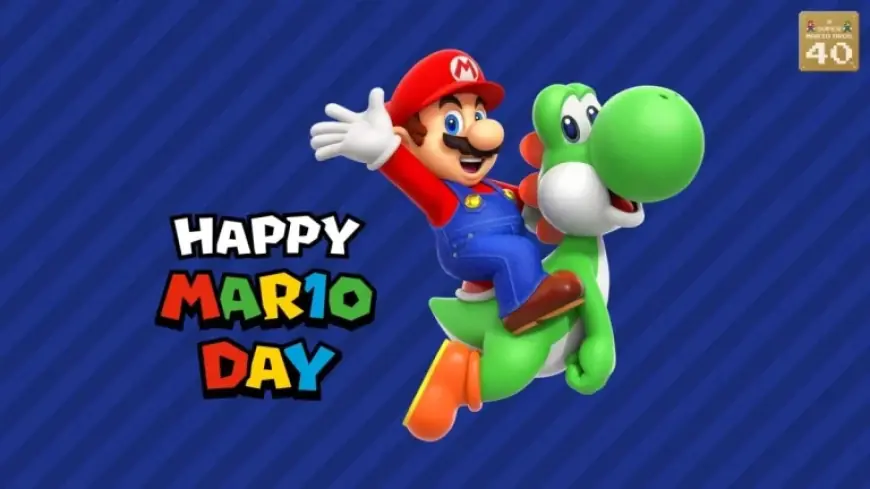
Mar10 festivities promise bargains and retro releases, but the mario day lineup shows a contrast: eye‑catching discounts on modern Switch titles alongside retro Mario games that require an extra subscription tier to access.
How wide are the mario day discounts, and who gets them?
Nintendo marked the anniversary with sweeping price cuts across high‑profile Switch releases sold through the Nintendo eShop and select retailers. Notable reductions include Mario + Rabbids Sparks of Hope Gold Edition dropping to $8. 99 from $89. 99, Mario + Rabbids Sparks of Hope Season Pass to $7. 49 from $29. 99, and multiple mainline Mario titles such as Super Mario Odyssey and Super Mario 3D World + Bowser’s Fury cut by roughly $20. Other bargains listed for the promotion include Super Mario RPG, Super Mario Party Jamboree, Paper Mario: The Thousand Year Door, Luigi’s Mansion 3, and Mario & Luigi: Brothership.
Retail promotions varied in depth: one set of promotions highlighted discounts up to 90% on select entries through the digital storefront, while other retailer promotions were framed as savings up to 50% on Switch games. The mix of near‑clearance pricing on some third‑party editions and modest cuts on other catalogue entries points to a targeted pricing strategy designed to move excess inventory for certain SKUs while maintaining margin on newer or premium releases.
What does Mario Day mean for subscription players?
On the same day that discounts hit the storefront, Nintendo expanded the Switch Online + Expansion Pack offering with three retro Mario titles. The update adds two Virtual Boy entries and one Game Boy Advance title; the Virtual Boy additions include a tennis outing and Mario Clash, the latter drawing on the original Mario Bros. formula, while the GBA addition restores a Mario and Donkey Kong puzzle‑platformer. Access to these classics requires the Expansion Pack tier of the Switch Online service.
The juxtaposition is stark: players can buy modern Mario releases at steep one‑time discount prices, or access select legacy titles only through a recurring subscription. For owners seeking archival preservation or to compare originals with modern remakes, the Expansion Pack requirement places a recurring cost barrier in front of certain historic software experiences.
Who benefits and who is left paying more?
Nintendo benefits on multiple fronts: short‑term revenue lift from discounted modern titles can stimulate full‑price purchases of add‑ons and sequels, while the Expansion Pack creates a steady subscription stream tied directly to nostalgia‑driven content. Retail partners and digital storefronts benefit from promotional traffic during the celebration window. Consumers who prefer owning individual legacy titles outright face limits; several retro entries are accessible only through the Expansion Pack rather than as standalone purchases.
These arrangements create diverging cost paths for players. A buyer seeking only the latest releases may find deep single‑purchase discounts; a preservationist or completist aiming to play original Virtual Boy and GBA Mario content must subscribe to a higher tier, potentially indefinitely, to access that archive.
The coexistence of dramatic one‑time discounts and subscription‑gated retro content on mario day reframes the anniversary: it is simultaneously a sale and a subscription pitch. Verified facts show deep discounts on select Switch games and a trio of retro Mario titles added behind the Expansion Pack tier. The pattern is clear — nostalgia is being monetized in two distinct ways, and the choice between ownership and access now carries a sharper financial consequence for players.
Transparency about which legacy titles will remain subscription‑exclusive and which may be sold individually would allow consumers to make informed decisions during the mario day window; publishers and platform holders should disclose long‑term availability plans so players can weigh one‑time purchases against recurring costs.