Cheltenham Weather: Ground Changed on Eve of Festival but Going May Be Quicker

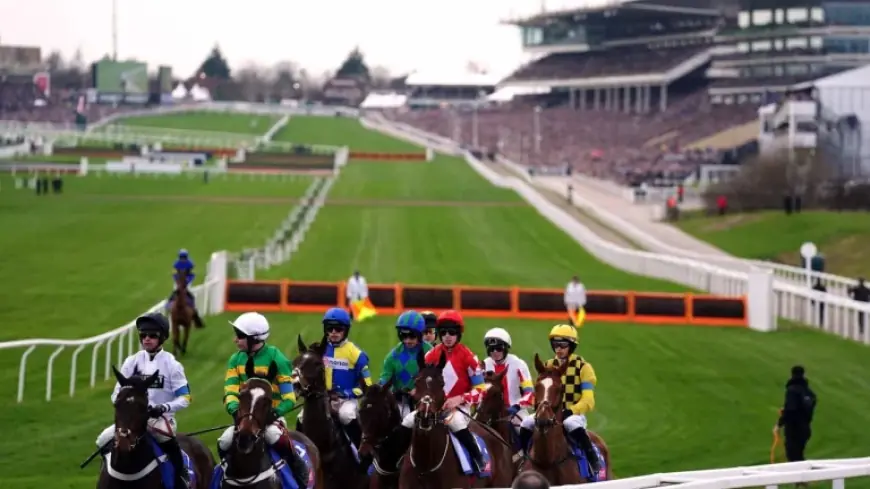
The latest cheltenham weather update is a straightforward operational decision: selective irrigation by course staff has left the Festival likely to start on Good-to-Soft, Good in places, with adjustments to the hurdles and the running lines across both New and Old Courses.
Cheltenham Weather: What the irrigation means for the going
Verified facts: Course officials carried out targeted watering on the New Course earlier in the week and then irrigated the Old Course on Monday. Jon Pullin, Clerk of the Course, explained that a relatively dry spell tightened the turf more than anticipated, prompting “a little bit of selective watering” to keep the Course on Good-to-Soft and to improve areas of good ground. Pullin stated the going is currently “Good-to-Soft, Good in places” and that the irrigating being done could remove some pockets of Good by the end of the day. He also described a short-term weather outlook for the site: dry through tomorrow for racing, followed by a band of rain of 2–4mm after racing tomorrow ahead of Wednesday, which is expected to help maintain the prevailing conditions.
Analysis: The targeted watering aims to stabilise the surface across the Festival days. By tightening areas that had loosened during the dry spell, the team seeks to keep the overall classification at Good-to-Soft while preventing uneven patches from affecting race lines. The expected light rainfall after tomorrow should supplement the irrigating and help preserve those conditions into midweek, but the immediate effect of the Monday irrigation may reduce isolated Good strips by the end of the day.
Why hurdles were moved — the operational rationale and implications
Verified facts: The final hurdles on both the New and Old Courses will not be in their traditional Festival positions this season. Pullin explained that, historically, hurdles have moved beyond the last fence at the Festival. However, a wet winter left an area of ground turning away from the stands wetter than desired. Placing the hurdles in their normal season position rather than the usual Festival siting enabled the course team to create a cleaner racing line and to avoid that wetter area.
Analysis: Moving the hurdles back to their standard season positions is a mitigation measure grounded in track integrity. It reduces the need for horses and riders to navigate a patch of ground that has retained excessive moisture through the winter, and it allows a consistent running line through the affected section. The decision is operational, focused on track safety and quality, and directly linked to the same moisture management issues prompting the selective irrigation discussed above.
Verified fact: Jon Pullin characterised the irrigation and positioning changes as targeted, telling racegoers and participants they should be “okay tonight and into tomorrow” with the combined effect of watering and forecast rainfall.
Accountability and what should be asked next: The course adjustments and targeted irrigation are verifiable actions taken by course officials. For transparency, event stakeholders and the public would reasonably expect continuing, specific updates from the Clerk of the Course and the race administration about how the going classification evolves through the Festival. Given the interventions described, clear daily statements of the going and any further surface changes will allow trainers, riders and bettors to make informed decisions. The cheltenham weather-driven changes already made — selective watering of New and Old Courses and the repositioning of final hurdles — are documented operational choices; follow-up clarifications from the course on whether further irrigation or alterations are planned would complete the record and reduce uncertainty for all involved.