Petrol Price Surge Sparks Panic Across Asia

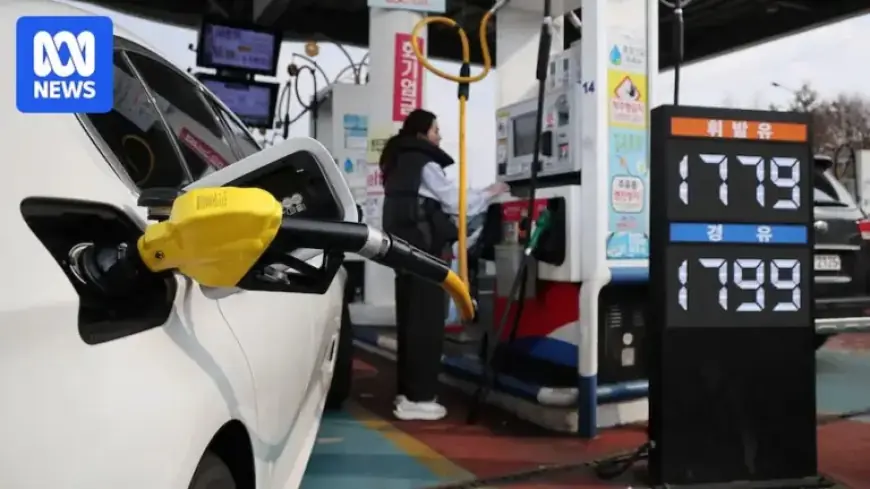
Rising fuel prices are igniting panic across Asia as nations grapple with supply disruptions linked to conflict in Iran. The recent escalation of hostilities in the region has significantly impacted energy shipments, especially through the vital Strait of Hormuz. This situation has led countries to implement various measures to manage fuel scarcity and costs.
Petrol Price Surge in Asia
As the fuel crisis unfolds, several countries have imposed restrictions and developed strategies to cope with the soaring prices. Here’s a glimpse of the unfolding situation across different Asian nations:
Bangladesh
- Bangladesh has limited fuel sales after panic buying arose among its 170 million residents.
- The Bangladesh Petroleum Corporation (BPC) has introduced restrictions, allowing two liters per motorcycle fill-up.
- Long queues were reported in Dhaka following the implementation of these measures.
South Korea
- South Korea plans to cap domestic fuel prices, a first in nearly three decades.
- President Lee Jae Myung announced this move at an emergency meeting focused on the crisis.
- Authorities are also exploring alternative energy sources to reduce dependence on Middle Eastern imports.
Japan
- Japan saw oil prices climb more than 25% to unprecedented levels since mid-2022.
- Prime Minister Sanae Takaichi is assessing measures to mitigate price increases.
- The G7 finance ministers are considering necessary actions to stabilize the market.
Sri Lanka
- Sri Lankans are experiencing long waits at fuel stations amid fears of shortages.
- Officials assure that there are ample fuel stocks for the upcoming weeks.
- The country’s economic recovery is still fragile following its recent financial crisis.
Philippines
- President Ferdinand Marcos Jr. has initiated a four-day workweek to conserve fuel.
- Government agencies will reduce electricity and fuel usage by up to 20%.
Pakistan
- Pakistan has raised petrol and diesel prices by 55 rupees ($0.28) per liter, marking a significant price increase.
- Prime Minister Shehbaz Sharif noted the government’s limited control over global fuel prices.
- Schools will close temporarily, and online classes will be implemented to reduce commuter fuel use.
India
- Indian companies have increased liquefied petroleum gas (LPG) prices for the first time in a year.
- The price of a 14.2-kg LPG cylinder rose by 7%, now costing approximately $14.
Indonesia
- Indonesia is increasing its fuel subsidy budget to combat rising oil prices.
- The country is considering launching a B50 grade biodiesel blend to maintain affordable prices.
The unrest in the Middle East continues to challenge Asia’s fuel markets, raising concerns about economic stability. As nations implement varying responses, the primary focus remains on safeguarding citizens from the impact of surging petrol prices.