P — Jordan Stout’s Record Deal and the Human Cost of a Specialist’s Rise

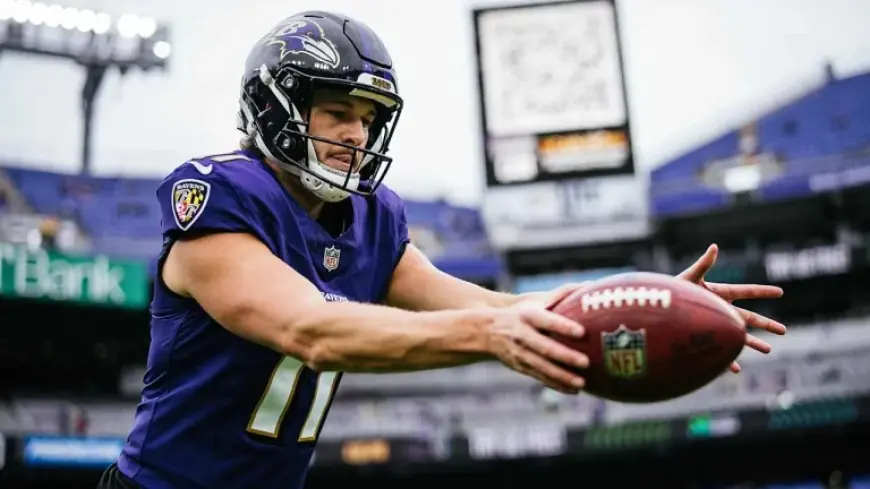
On a late-season afternoon when a 74-yard punt split the sky and the stadium held its breath, Jordan Stout’s fourth year felt like a verdict and a promise — a single, decisive p that would reshape a career. That moment, the 74-yarder that matched a franchise high, now stands at the center of a move that makes Stout the highest-paid punter in league history.
What does the P record mean for Jordan Stout and the Giants?
The agreement that will send Jordan Stout to New York is for three years and $12. 3 million, a contract that places him slightly ahead of the previous top average-per-year at his position. The deal reunites Stout with John Harbaugh, his former head coach, and positions the Giants with a punter who earned Pro Bowl honors after leading the league with a net average of 44. 9 yards in his breakthrough season. The deal cannot be signed, and final paperwork remains a formal step, but the numbers and the reunion define the immediate contours of the move.
How did Stout get here, and what do his teammates and coaches say?
Stout’s rise followed an uneven early stretch. After three inconsistent seasons he built confidence as his fourth year progressed, crediting a commitment to the “boomerang” punt and more opportunities to let it rip rather than attempting many pooch punts. He described the year as make-or-break: “There’s no place I would rather play than here. I want to play my whole career here. They’re going to have to pay me, ” he said, reflecting both loyalty and the leverage he earned with performance.
His recollection includes a blunt line from Senior Special Teams Coach Randy Brown: “If you do poorly, we’re going to cut you. If you do OK, we’ll re-sign you. If you do too well …” Brown’s remark captured the paradox of professional sport: exceptional play can change a player’s present and unsettle a roster’s future.
How are the Ravens adjusting to the departures?
Baltimore’s sequence of moves signals a willingness to reshape long-standing approaches. The Ravens had long kept top specialists through long runs — from kickers Matt Stover and Justin Tucker to punters Kyle Richardson and Sam Koch — and Stout had replaced Koch after Koch’s 16-year run. The franchise also spent a draft pick on a kicker last offseason to begin a new phase with Tyler Loop. With Stout leaving, Baltimore will again be looking for a new punter and will recalibrate elsewhere on the roster.
Who else is moving in this wave of free-agent decisions?
The roster churn extends beyond the punter market. A safety, Ar’Darius Washington, is reportedly close to reaching an agreement with the Giants. Baltimore is keeping its backup quarterback. A blocking tight end is headed to Los Angeles on a $24. 3 million deal. Running back Keaton Mitchell is slated to hit the open market. The Ravens will be looking for a new center after the departure of a top free agent. After four years in Baltimore, tight end Isaiah Likely will follow John Harbaugh to New York. Each move compounds the competitive and financial calculations teams must balance in the specialist-driven corners of the roster.
The scene that began with a 74-yard punt closes differently now: where that kick once felt like a last chance, it has become the hinge for a contract that elevates a specialist and forces a franchise to remake a role it once treated as settled. For Stout, the move is the payoff for a breakout season; for the Ravens, it is another moment of organizational renewal. The stadium memory of the punt remains — a sharp, airborne proof that one play can change livelihoods and the map of a team.