White House Promo Combines Pop Culture and Combat Footage

A series of provocative promotional videos from the White House mixes elements of American pop culture with real combat footage to convey messages related to warfare, particularly concerning Iran. These videos combine clips from iconic films, popular video games, and thrilling sports moments, raising significant moral questions about the portrayal of armed conflict.
White House Promotion: A Blend of Entertainment and Warfare
Recently, the White House’s social media team has released videos that juxtapose explosive scenes from the Iran war with edited clips featuring action movies and popular video games. Critics argue that this strategy trivializes serious real-life conflicts.
Cultural References and Their Impact
- Movies cited include “Braveheart,” “Superman,” and “Top Gun.”
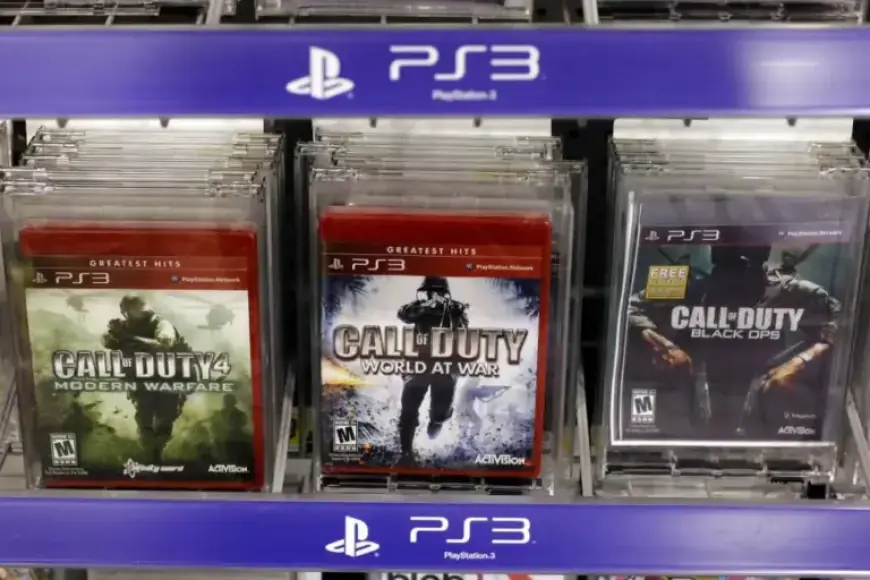
- Video games featured are “Call of Duty,” “Grand Theft Auto,” and “Halo.”
- Sports moments include hard tackles from NFL games and home runs from Major League Baseball.
The use of vibrant action clips is designed to resonate with young men who engage with popular culture, but this tactic has drawn criticism from various quarters. Social media posts related to these videos were captioned with phrases like “JUSTICE THE AMERICAN WAY,” accompanied by emojis of the American flag and fire.
Censorship and Artistic Rights
Actors whose images appeared in these videos, such as Ben Stiller and Steve Downes, have expressed outrage at their unauthorized usage. Stiller stated he had “no interest in being part of your propaganda machine,” while Downes labeled the content as “juvenile war porn.”
This reaction underscores growing concerns regarding the ethical implications of using entertainment as a propaganda tool. Cardinal Blase J. Cupich of the U.S. Catholic Church condemned the portrayal of violence, emphasizing the need to respect the dignity of those affected by war.
The U.S. Government’s Response
In defending the releases, White House spokesperson Anna Kelly claimed they highlight military achievements under Operation Epic Fury, despite the backlash. This showcases a shift in how war is communicated in the digital age, combining psychological appeal and cinematic aesthetics to garner support.
Recruitment and Cultural Appeal
The blending of gaming culture and military depiction raises questions about potential recruitment strategies. Historically, the military has aimed to attract gamers through video games and events, establishing a connection with young recruits.
Ray Deptula, a retired U.S. Navy commander, noted that portrayals in movies and games often glamorize military life, yet reality entails rigorous discipline and hard work.
Shifting Perceptions of War
As the lines between entertainment and reality blur, experts like Zia Haque from Juniata College analyze the implications for public perception. The promotional content may reinforce an image of war that overlooks its severe consequences.
In conclusion, the White House’s blend of pop culture and combat imagery invites both engagement and criticism. As this trend continues, the ethical ramifications surrounding the portrayal of war in media will likely spark further debate.