Malik Willis Dolphins Deal Resets the Quarterback Plan Under the Dolphins Head Coach

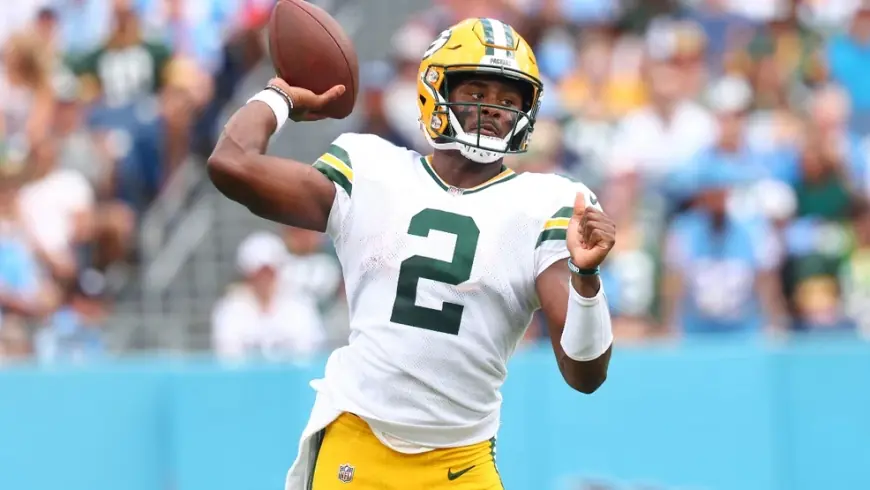
Malik Willis is heading to Miami, and the move lands with more force than a routine backup signing. The Dolphins have agreed to a three-year contract with Willis worth $67.5 million, including $45 million fully guaranteed, a number that makes clear this is not a camp-arm addition or a hedge buried on the depth chart. Miami has made a quarterback decision with real weight behind it, and the timing says just as much as the money.
The deal arrives as the franchise begins its first season under head coach Jeff Hafley, with a new staff, a new tone, and a roster that has already moved into reset mode. Willis now steps into one of the league’s most scrutinized quarterback situations with both opportunity and pressure attached.
Malik Willis Contract Shows Miami Is Serious
The contract is the headline for a reason. Three years and $67.5 million, with $45 million guaranteed, is starter-level money in the current quarterback market for a player who has not yet established himself as a long-term No. 1. That figure tells you Miami is not treating Willis as a developmental flier. It is paying for upside and accepting the volatility that comes with it.
There is logic in that gamble. Quarterback markets punish hesitation, and waiting for a perfect option often leaves teams with none. Miami chose movement over caution. The Dolphins needed a fresh plan at the position, and Willis offers a different profile from the pocket-bound passers who can keep an offense on schedule but struggle once the structure breaks.
His best traits remain obvious: live arm, escape ability, and the kind of acceleration that changes third down math. He can create when protection fails, which matters on a roster still trying to steady itself up front. The unanswered part is just as obvious. He must prove he can win from the pocket often enough to justify the investment.
Why the Dolphins Moved Now
Timing always gives away intent in free agency. The Dolphins did not wait for the market to collapse around Willis. They moved early, which suggests the coaching staff and front office saw a fit they did not want to lose.
That matters because Miami is not operating under the same conditions it had a year ago. Jeff Hafley took over in January, and his first offseason has already brought structural change. Bobby Slowik is in as offensive coordinator, and the quarterback decision is now tied directly to the identity of the new regime. When a first-year head coach signs off on a deal like this, he is doing more than filling a roster spot. He is helping define how the team wants to play.
Willis fits a transition offense better than a static one. He gives Miami a chance to lean into movement throws, zone-read elements, half-field concepts, and off-schedule playmaking while the rest of the system settles into place. That does not make him a finished answer. It makes him a plausible one.
Dolphins Head Coach Jeff Hafley Now Owns the Outcome
Jeff Hafley is the Dolphins head coach, and this move will be read as one of the first true markers of his tenure. He arrived with a defensive background, but head coaches get judged by quarterback outcomes whether they call plays or not. If Willis takes a leap, Hafley will be credited with helping create the environment for it. If the deal stalls, the money and the expectations will sit on his desk.
That is what makes the pairing interesting. Hafley is not inheriting a settled quarterback room and adjusting around it. He is helping shape the room from the start. That gives him leverage, but it also removes excuses.
The broader context matters here too. Miami went 7-10 last season and missed the playoffs again, extending a drought that has become one of the defining frustrations around the franchise. The new staff was hired to stop the drift. Willis is now central to that effort whether the team wanted the spotlight or not.
What Malik Willis Brings to Miami
At 26, Willis is still young enough for a team to believe it can sharpen the rough edges without losing the dynamism that made him attractive in the first place. He does not need to become a high-volume, 40-attempt passer to justify this deal. He needs to become efficient, composed, and dangerous in the moments that swing games.
That is a narrower ask than turning him into a pure pocket technician, and it may be the smarter one. Miami does not need Willis to look conventional. It needs him to be productive. Designed movement, vertical shots off play action, and red-zone packages that use his legs as a real threat could all be part of the early blueprint.
The challenge is that defensive coordinators eventually force every athletic quarterback to prove he can survive on timing, anticipation, and decision-making. That is where careers split. Willis has flashed enough to keep teams interested. Now he has the deal, the role, and the coaching attention to find out whether flashes can become structure.
What Comes Next for the Dolphins
This is the kind of signing that changes the temperature around a franchise. Miami has committed money, handed the new staff a quarterback project with a real ceiling, and tied the opening phase of the Jeff Hafley era to a player still trying to prove what he is.
There is upside here, and there is risk. The upside is obvious: a 26-year-old quarterback with starter tools, real mobility, and a contract that could look reasonable if he stabilizes quickly. The risk is just as plain: Miami has paid meaningful money for possibility, not proof.
That is why the Malik Willis Dolphins story matters right now. The contract says belief. The depth chart says opportunity. The season will decide whether either one was earned.