Triceratops Fossil Auction Could Reach $5.5M After 30 Years in Wyoming Museum

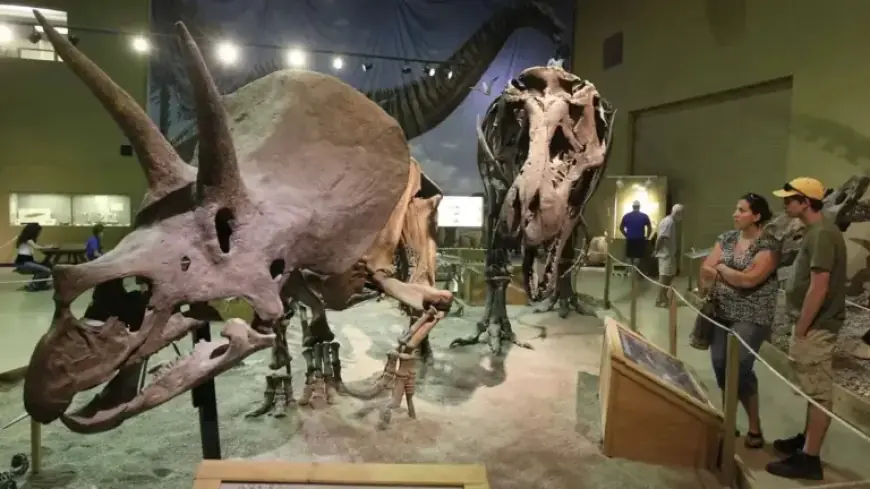
One of the most famous Triceratops specimens, named “Trey,” is set to be auctioned soon. This 17-foot-long skeleton, a symbol of Wyoming’s paleontological heritage, has been a centerpiece at the Wyoming Dinosaur Center (WDC) in Thermopolis for 30 years. Auction platform Joopiter, created by musician Pharrell Williams, has estimated the selling price could reach up to $5.5 million.
Trey: A Brief History
Discovered in 1993, Trey was excavated by paleontologists Lee Campbell and Allen Graffham from Geological Enterprises Inc. at a site near Lusk, Wyoming. This skeleton was assembled as a composite, meaning that bones from multiple specimens of Triceratops were used, resulting in a 70% completion rate.
Significance of the Auction
Trey’s auction is notable because it is billed as the only museum-displayed Triceratops skeleton sold in history. Over the last three decades, more than 1 million visitors have viewed this extraordinary exhibit at the WDC. The upcoming auction has reignited debates about the ownership of fossils in Wyoming and the implications of such sales on the state’s paleontological landscape.
Mixed Reactions from the Community
- Supporters of the Auction: Some believe the auction could provide a chance to promote Wyoming’s fossils to a wider public.
- Critics of the Auction: Others argue that selling Trey may set a harmful precedent, leading to more valuable specimens leaving Wyoming for other institutions.
Angie Guyon, the general manager of the WDC, expressed hope that increased attention on significant specimens like Trey could enhance the museum’s visibility and encourage future visitors. In contrast, Campbell lamented the loss of a significant piece of Wyoming’s heritage, emphasizing the risks associated with private ownership of natural history artifacts.
Implications for the Future of Wyoming’s Fossils
The auction highlights a troubling trend where unique Wyoming fossils are sold to private collectors or other museums. Experts in the paleontology community are concerned that this could diminish the state’s standing as a significant source of dinosaur fossils.
Trey’s upcoming auction is not merely the sale of a specimen; it represents a pivotal moment in the narrative of Wyoming’s identity as a keeper of its rich fossil history. The future of the state’s paleontological treasures hangs in the balance, with many hoping that regulations and community efforts will safeguard these wonders for future generations.
A Focus on Preservation
The WDC continues to house a broad collection of fossils, including rare specimens. While some notable pieces are privately owned and loaned, the museum has expanded its scope to educate and engage the public with Wyoming’s fossil-rich environment.
As the auction date approaches, the fate of Trey the Triceratops remains uncertain. Will it find a new home that prioritizes public access and education, or will it join the ranks of privately owned specimens? The answers lie ahead as Wyoming grapples with the implications of this significant event.